Harvest & curing
by HashMaker
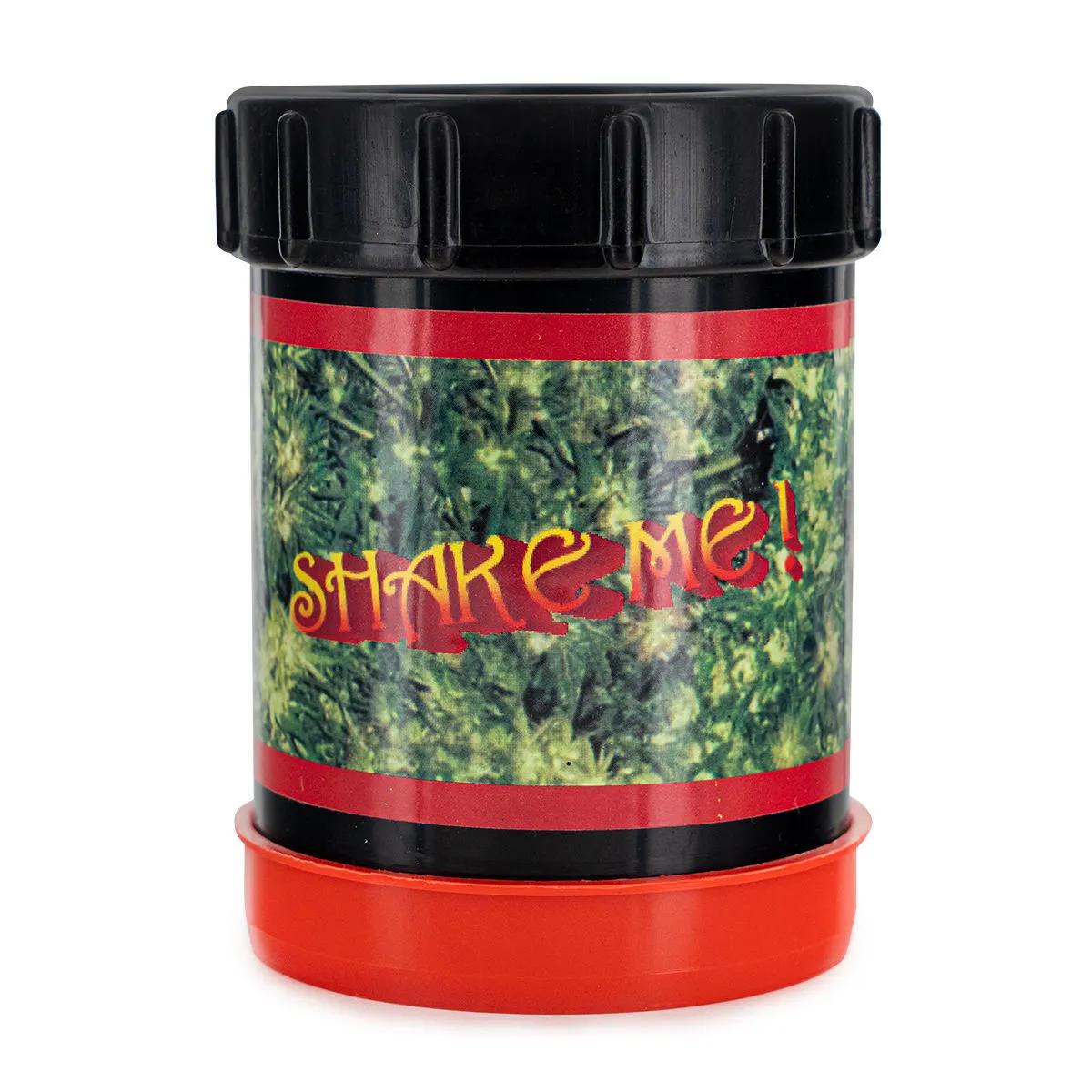
The HashMaker Shake Me is a manual pollen shaker that separates trichome heads from plant material using nothing but a 22-micron screen and a bit of arm work. No solvents, no electricity, no fiddly setups — just screw the lid on, shake, and collect what falls through. It's the simplest route from trim drawer to pressed hash, and the whole process takes about five minutes of actual effort.
Most growers end up with a bag of popcorn buds and sugar leaf trim after harvest. It sits in a jar, gets forgotten, and eventually gets binned. That's a waste — those frosty offcuts are loaded with trichomes, and a pollen shaker turns them into something you'll actually use.
The HashMaker Shake Me does one job and does it well. You load your material into the top chamber, screw the lid tight, and shake. The 22-micron mesh only lets the smallest trichome heads through, which means the powder you collect at the bottom is concentrated resin — not ground-up leaf. That's the difference between a pollen shaker and just crumbling bud over a screen: precision. At 22 microns, you're filtering out nearly all plant matter, leaving behind a fine, golden-blonde kief that presses into hash with minimal effort.
We've had customers try everything from paint-strainer bags to old stockings stretched over jars. They work, sort of, but the mesh gauge is inconsistent and you end up with green-tinted powder full of chlorophyll. The HashMaker's screen is uniform, purpose-built, and sits in a sealed chamber so nothing escapes mid-shake. It's a small thing, but it's the difference between hash that crumbles cleanly and hash that tastes like lawn clippings.
Screen size determines purity. A 150-micron screen lets through whole trichome stalks and small leaf fragments — fine for cooking, but the result looks green and tastes harsh. Drop down to 22 microns and you're isolating just the resin glands, the part of the plant that carries the cannabinoids and terpenes. The yield is smaller per shake, but what you collect is noticeably more potent and cleaner-tasting than anything from a coarser screen.
For context, a human hair is roughly 70 microns in diameter. The HashMaker's mesh is less than a third of that. You're working at a level of filtration that most bubble bag kits only achieve with their finest bag. The trade-off is throughput — you won't fill a jar in one session — but for personal-use hash from leftover trim, the quality-to-effort ratio is hard to beat.
| Specification | Detail |
|---|---|
| Screen mesh size | 22 microns |
| Extraction method | Dry sift (solventless, mechanical) |
| Power required | None — manual shaking |
| Freezer safe | Yes — recommended 30 minutes pre-use |
| SKU | HS0547 |
| Variants | One size |
| Best input material | Popcorn buds, sugar leaf, dry trim |
The technique matters more than you'd think. Follow these steps and you'll get cleaner kief with less plant contamination from your very first session.
We get asked whether the freezer step is really necessary or just one of those things people repeat online. It's real. Trichomes are attached to the plant surface by a thin stalk. At room temperature, those stalks are pliable — they bend rather than break. Drop the temperature below freezing and the stalks become brittle glass. A few sharp shakes and they snap clean off. We've tested side by side: frozen material yields roughly 30–40% more kief from the same amount of trim. It takes 30 minutes of patience and costs nothing. Do it.
One honest limitation: the HashMaker Shake Me is sized for personal batches, not bulk processing. If you've harvested 4 plants and have a bin bag of trim, you'll be shaking all afternoon. For larger volumes, a tumbler or bubble bag setup handles the workload better. But for a jar of popcorn nugs from a single plant? This is the fastest, cleanest tool for the job — and it fits in a kitchen drawer.
Your grinder's kief catcher works on the same principle — a fine screen separating trichomes from ground flower. The difference is scale and mesh size. Most grinder screens sit around 60–100 microns, which lets through a fair amount of plant dust alongside the resin. The HashMaker's 22-micron screen is roughly 3–4 times finer, producing a purer end product. And you can process whole buds and trim, not just what fits in a grinder chamber.
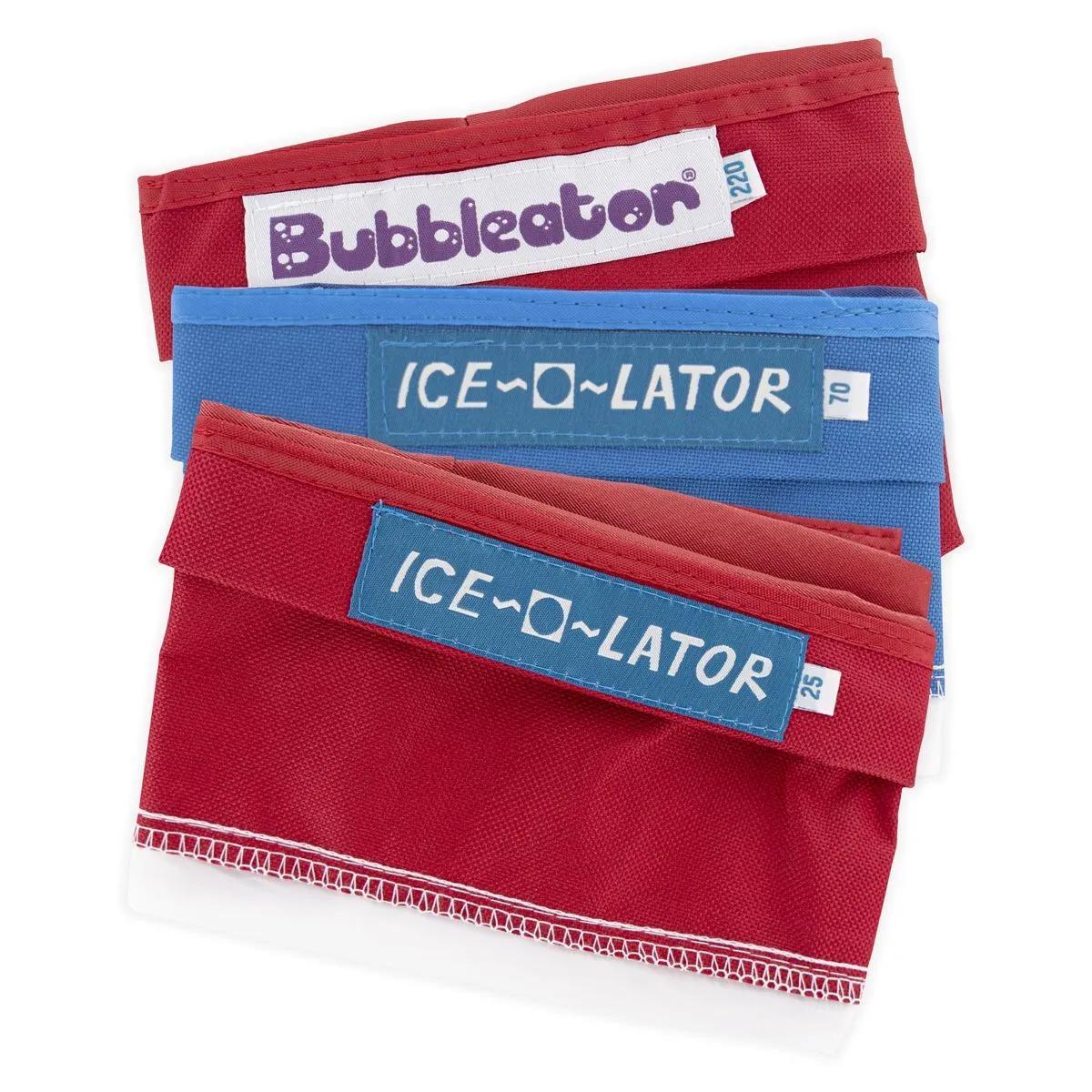
Bubble bags use ice water to achieve a similar separation. The results are excellent — arguably the gold standard for solventless hash — but the process involves buckets, ice, multiple bags, and a solid hour of stirring followed by drying time. For a quick extraction from a small amount of trim, the HashMaker gets you 80% of the way there in 5 minutes with zero cleanup beyond wiping the screen.
| Method | Mesh range | Time required | Best for |
|---|---|---|---|
| HashMaker Shake Me | 22 microns | 5–10 minutes | Small batches, quick sessions |
| Grinder kief screen | 60–100 microns | Passive (ongoing) | Collecting kief from daily grinding |
| Bubble bag kit | 25–220 microns (multiple bags) | 60–90 minutes + drying | Larger harvests, maximum purity |
Complete your harvest setup with a proper drying rack to make sure your trim is bone-dry before shaking — damp material clogs the 22-micron screen and kills your yield. A pollen press pairs well too, turning loose kief into solid hash discs that store better and burn more evenly.
A few things we've picked up from years of selling these and hearing back from customers:
No. Fresh or damp material clogs the 22-micron screen almost immediately and produces very little kief. Your trim needs to be fully dried and cured — crispy to the touch — before shaking. If it bends rather than snaps, it's too wet.
It depends on your starting material. Frosty sugar leaf and popcorn buds typically yield around 5–10% of their weight in dry sift kief through a 22-micron screen. Expect roughly 0.5–1g from 10g of decent trim per shaking session.
A 22-micron screen isolates only the smallest trichome heads, filtering out stalks and plant debris. The result is purer, more potent kief compared to coarser screens (60–150 microns). You sacrifice some yield for significantly better quality.
Pop it in the freezer for 15 minutes, then tap it firmly against a hard surface to dislodge frozen resin. A soft-bristled brush (a clean paintbrush works) clears any remaining residue from the mesh. Avoid water — it causes trichomes to clump.
Absolutely. Wrap the kief tightly in parchment paper and apply pressure with a pollen press, or use a hair straightener on its lowest setting for a few seconds. Hand-pressing between parchment also works for small amounts — body heat and firm pressure are enough to bind the resin.
For targeted kief collection, yes. The 22-micron screen is 3–4 times finer than a typical grinder screen, producing purer kief. It also processes whole buds and trim — not just pre-ground flower. A grinder collects passively over time; the HashMaker is for intentional, batch extraction.
Around 30 minutes is the sweet spot. This makes trichome stalks brittle enough to snap off during shaking. Longer won't hurt, but 30 minutes gets the job done. Load your material right after removing from the freezer — work quickly before things warm up.
Last updated: April 2026