Harvest & curing
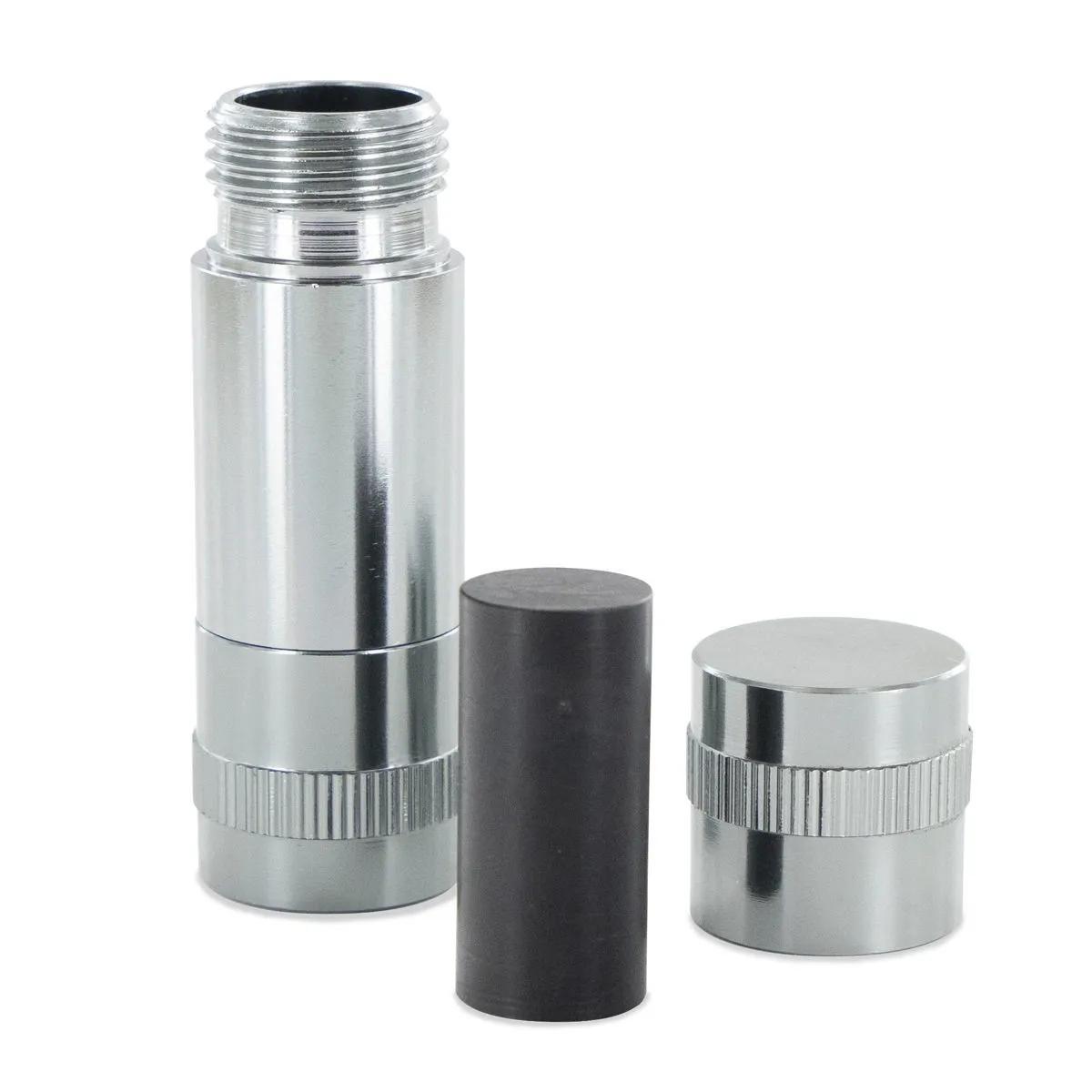
A pocket pollen press is a small hand-operated tool that compresses loose kief or dry sift into solid, uniform hash coins. This one is machined from aerospace grade aluminium, weighs next to nothing, and fits in your pocket at just 6cm x 2cm. If you've been collecting kief in the bottom chamber of your grinder and wondering what to do with it, this is the answer — solid coins that store better, burn slower, and look properly satisfying.
We've handled a fair few pollen presses over the years, and the cheap ones all share the same problem: the pistons stick. You unscrew the barrel, try to pop out your coin, and half of it stays glued to the inside. This pocket pollen press uses food grade thermoplastic pistons — the same grade of material used in food processing equipment — so your kief releases cleanly every time. No scraping, no wasted material.
The body itself is aerospace grade aluminium with a polished finish. It feels solid in the hand without the heft of steel. At roughly 3 inches long and 1 inch in diameter, it genuinely disappears into a jacket pocket or drawer. Compared to a full-size T-handle press, you sacrifice some use — you won't be producing rock-hard temple balls with this — but for quick, portable coin-making from collected kief, it does the job properly.
Honest limitation: because the barrel is narrow (about 2cm diameter), you're making small coins. That's the trade-off for portability. If you want larger pucks, you'll need a bigger press. But for personal use, these little coins are the right size — easy to break a piece off, easy to store, easy to share.
| Specification | Detail |
|---|---|
| Material (Body) | Aerospace grade aluminium |
| Material (Pistons) | Food grade thermoplastic |
| Dimensions | Approx. 6cm x 2cm (3" x 1") |
| Finish | Polished aluminium |
| Coin Diameter | Approx. 2cm |
| SKU | HS0706 |
| Mechanism | Twist compression (screw-type) |
| Weight | Lightweight (aluminium construction) |
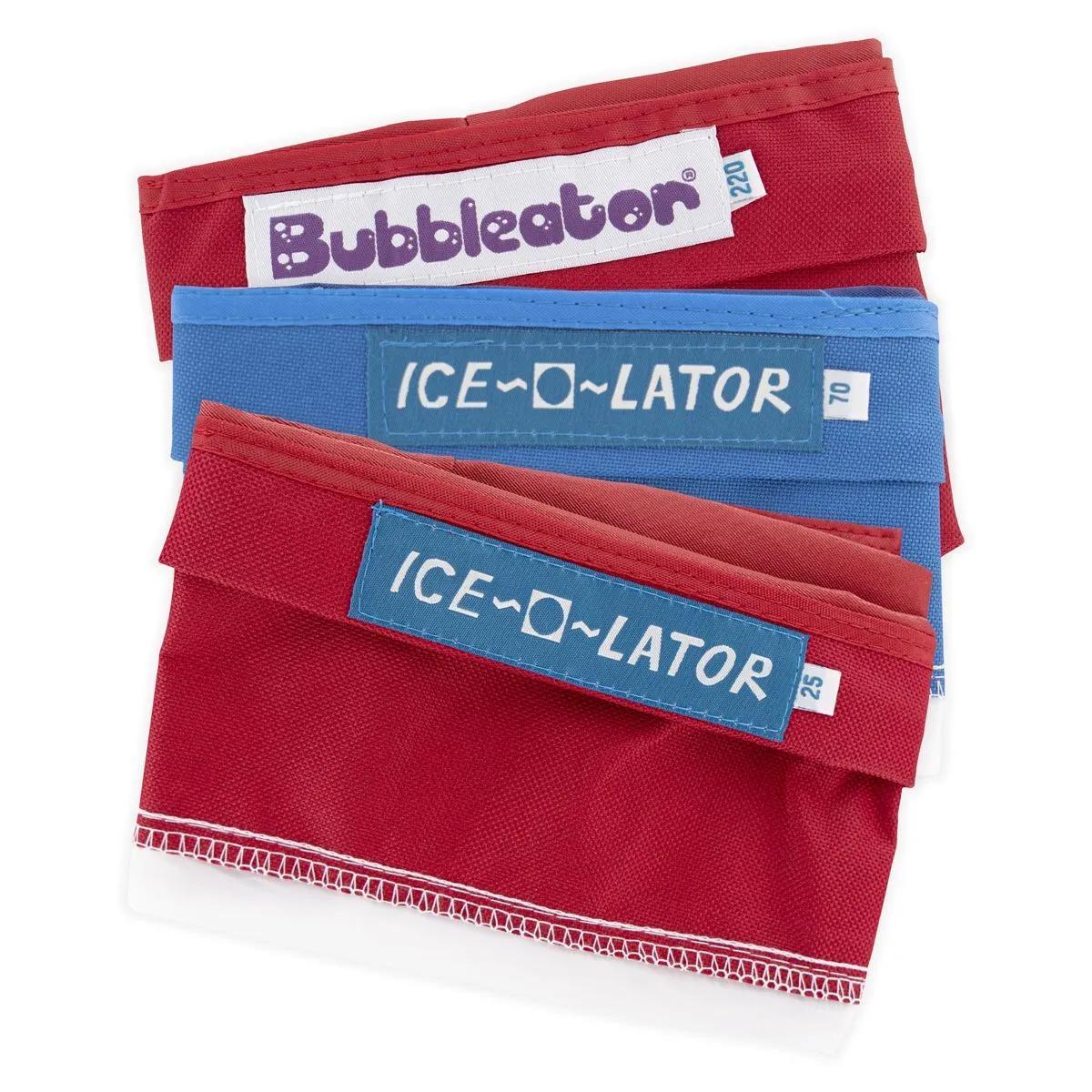
Pairs well with a good four-piece grinder — you need one with a kief catcher to actually collect the material this press compresses. If you're growing your own, a set of pollen screens or a kief box will speed up collection dramatically. The more kief you stockpile, the more satisfying the pressing becomes.
Loose kief is awkward. It blows away if you sneeze near it, sticks to everything, and degrades faster because all those trichome heads are exposed to air and light. Pressing kief into a coin solves every one of those problems. The compressed surface area means less oxidation, so your material stays potent for longer. The coins are easy to label, stack, and store in a jar without everything clumping into one sticky mess.
There's also the practical side: a pressed coin crumbles evenly when you break bits off. Loose kief tends to either clump or scatter — there's no in-between. With a coin, you get consistent portions every time. We've seen customers who collect kief for months, press it into dated coins, and essentially build a personal hash library. It's a satisfying hobby, and this pocket press makes the entry cost negligible.
The other thing nobody mentions: pressed hash coins are simply easier to use in a pipe or mixed into a joint. Loose kief falls through screens and burns unevenly. A small crumble from a pressed coin holds its position and burns at a steady rate. It's a small difference that you notice immediately.
The single most common mistake we see is people trying to press plant material that's too moist. Kief needs to be properly dry before it goes into any press. If it's sticky or clumpy, leave it spread on parchment paper for 24 hours before pressing. Wet material won't bind into a coin — it'll just compact into a crumbly disc that falls apart the moment you handle it.
The second thing: don't rush it. Yes, you can unscrew and pop out a coin after 30 seconds of hand-tightening. But the result will be fragile and powdery. The best coins come from leaving the press under tension for several hours. Some of our regulars tighten the press before bed and eject the coin in the morning. The difference in density and structural integrity is obvious — properly pressed coins have a slight sheen and snap cleanly when you break them.
A pollen press compresses loose kief or dry sift into solid hash coins or pellets. This makes the material easier to store, handle, and use. Pressed coins degrade slower than loose kief because less surface area is exposed to air and light.
With this pocket press's 2cm barrel, you need roughly 1-2 grams of kief per coin. You can press with less, but the coin will be very thin and fragile. Half-filling the barrel tends to produce the best results for density and handling.
Minimum 1 hour for a basic coin, but 8-12 hours produces a noticeably denser and more durable result. Overnight pressing is the standard approach most experienced users settle on.
No. The food grade thermoplastic pistons in this press are specifically chosen for non-stick properties. Coins eject cleanly. If you ever notice slight residue, a quick wipe with a dry cloth sorts it.
It's designed for kief and dry sift. You can press finely ground dry herbs, but the results won't bind as well — kief contains resinous trichome heads that fuse under pressure. Wet or oily material doesn't work and will gum up the barrel.
Wipe the barrel and pistons with a dry cloth after each use. For deeper cleaning, use warm water and a cotton bud. Avoid isopropyl alcohol on the thermoplastic pistons — it can degrade the material over time. The aluminium body handles alcohol fine.
For personal use, absolutely. The 2cm diameter coins are a good single-session size. If you're pressing large batches or want bigger pucks, you'd want a full-size T-handle press — but for portability and everyday kief pressing, this pocket model is the best option under ten quid.
Last updated: April 2026