Climate control
by CO2BAG
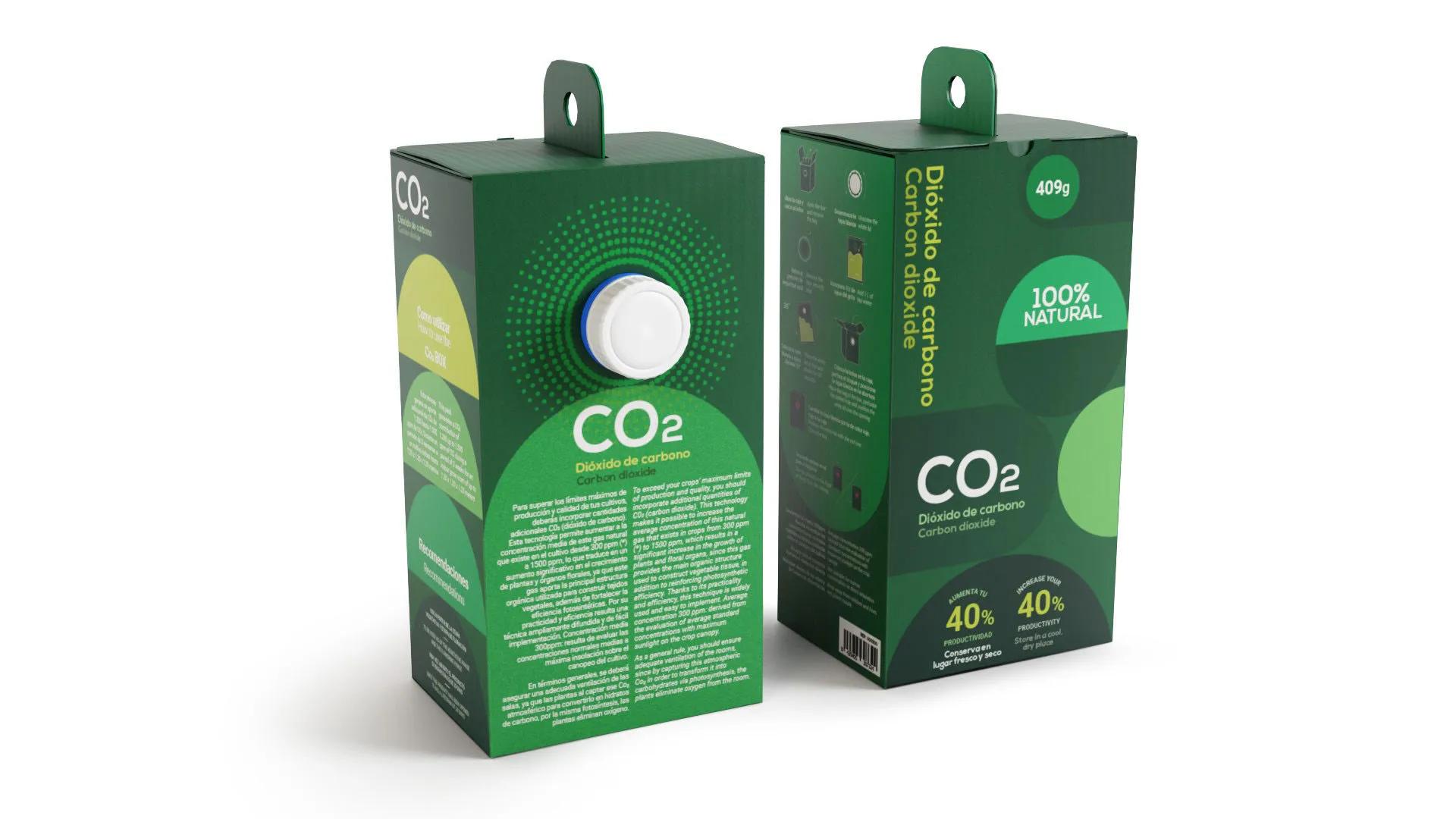
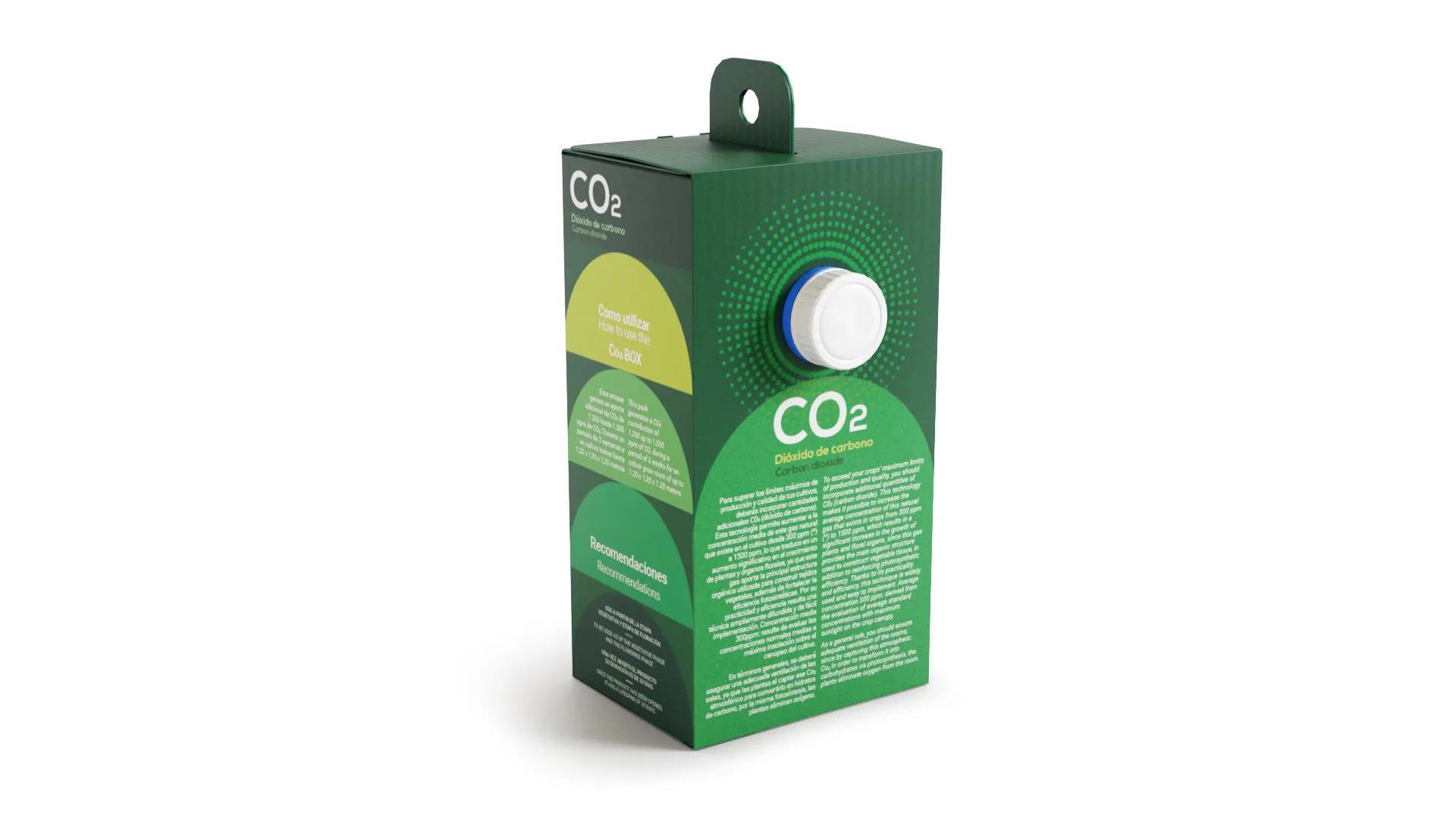
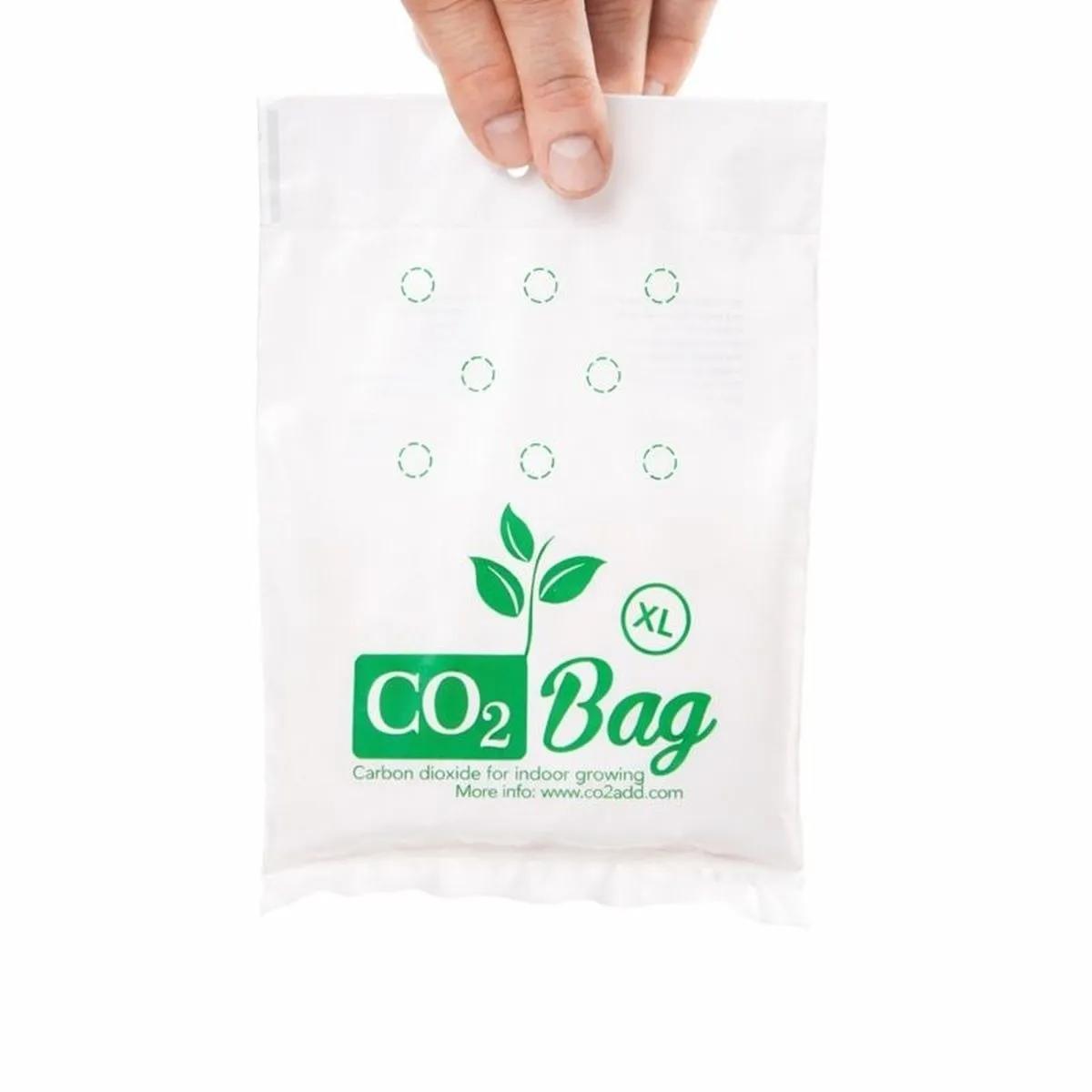
CO2BAG is a passive CO2 enrichment bag that raises carbon dioxide levels in your grow space, giving your plants the extra fuel they need for faster, stronger growth. Developed and refined with breeders since 2013, it works without electricity, timers, or gas bottles — just hang it up and let it do its thing. Two sizes cover everything from a small tent to a full room.
| Spec | CO2BAG M | CO2BAG XL |
|---|---|---|
| Active content | 100 g | Larger fill (extended output) |
| Coverage area | Up to 4 m² | Up to 8 m² |
| Lifespan | 1–3 months | 3–6 months |
| Best for | 60x60 or 80x80 tents | 120x120 tents and grow rooms |
Both sizes use the same proven CO2-producing formula. The difference is coverage and how long it keeps producing. If you're running a single small tent, the M is all you need. Got a 120x120 or bigger? Go XL — the longer lifespan means fewer replacements across a full grow cycle.
Ambient air sits at roughly 400 ppm (parts per million) of CO2. That sounds like enough, but in a sealed grow tent with active photosynthesis, your plants can deplete that level within hours — and once CO2 drops below 200 ppm, growth essentially stalls. According to indoor growing guides, when you add CO2, plants can photosynthesise more light, which means faster vegetative growth, quicker flowering, and denser harvests. Some growers report being able to start flowering sooner when CO2 levels are supplemented. Concentrations of 1,000–1,500 ppm are generally considered the sweet spot for indoor gardens.
The catch? Traditional CO2 setups — compressed gas cylinders, regulators, solenoid valves, timers — cost hundreds of euros and take real know-how to dial in. CO2BAG skips all of that. It's a biological process sealed inside a bag with a breathable filter patch. Carbon dioxide seeps out steadily, no moving parts, no refills, no risk of accidentally flooding your room with gas.
One honest limitation: a passive bag can't hit the 1,500 ppm ceiling that a bottled CO2 system can. If you're running a large commercial operation with CO2 controllers and sealed rooms, this isn't your tool. But for tent growers and small-room setups — which is most of us — CO2BAG gets you a meaningful bump above ambient levels without the complexity or the price tag. We've seen growers overthink this one. A bag, hung at canopy height, in a reasonably sealed tent, genuinely makes a visible difference within a couple of weeks.
| Spec | Value |
|---|---|
| Brand | CO2BAG |
| Available sizes | M (SKU: GS0066), XL (SKU: GS0067) |
| Active content (M) | 100 g |
| Coverage (M) | Up to 4 m² |
| Coverage (XL) | Up to 8 m² |
| Lifespan (M) | 1–3 months |
| Lifespan (XL) | 3–6 months |
| Power required | None |
| Formula development | Refined with breeders since 2013 |
| Output method | Passive release through breathable filter patch |
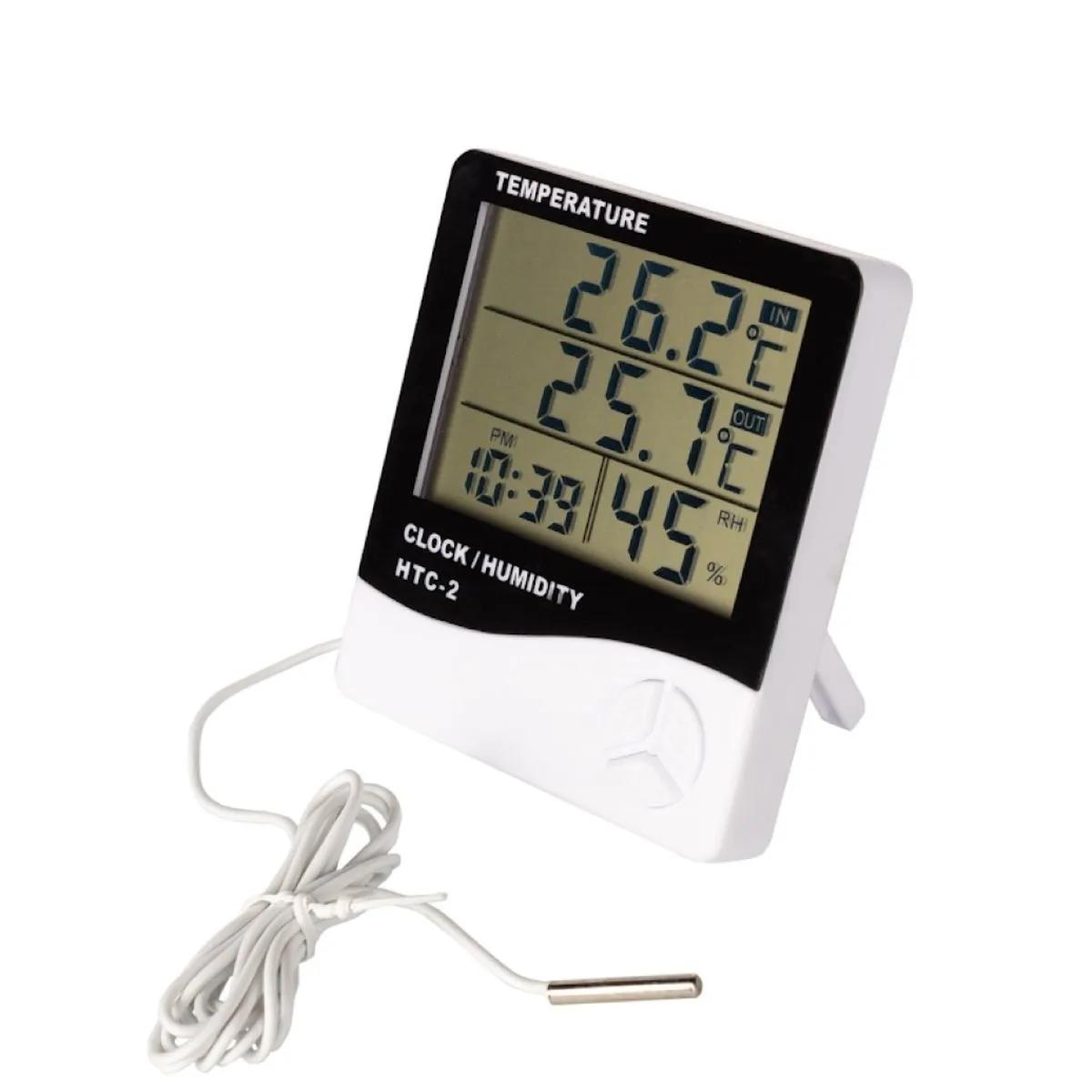
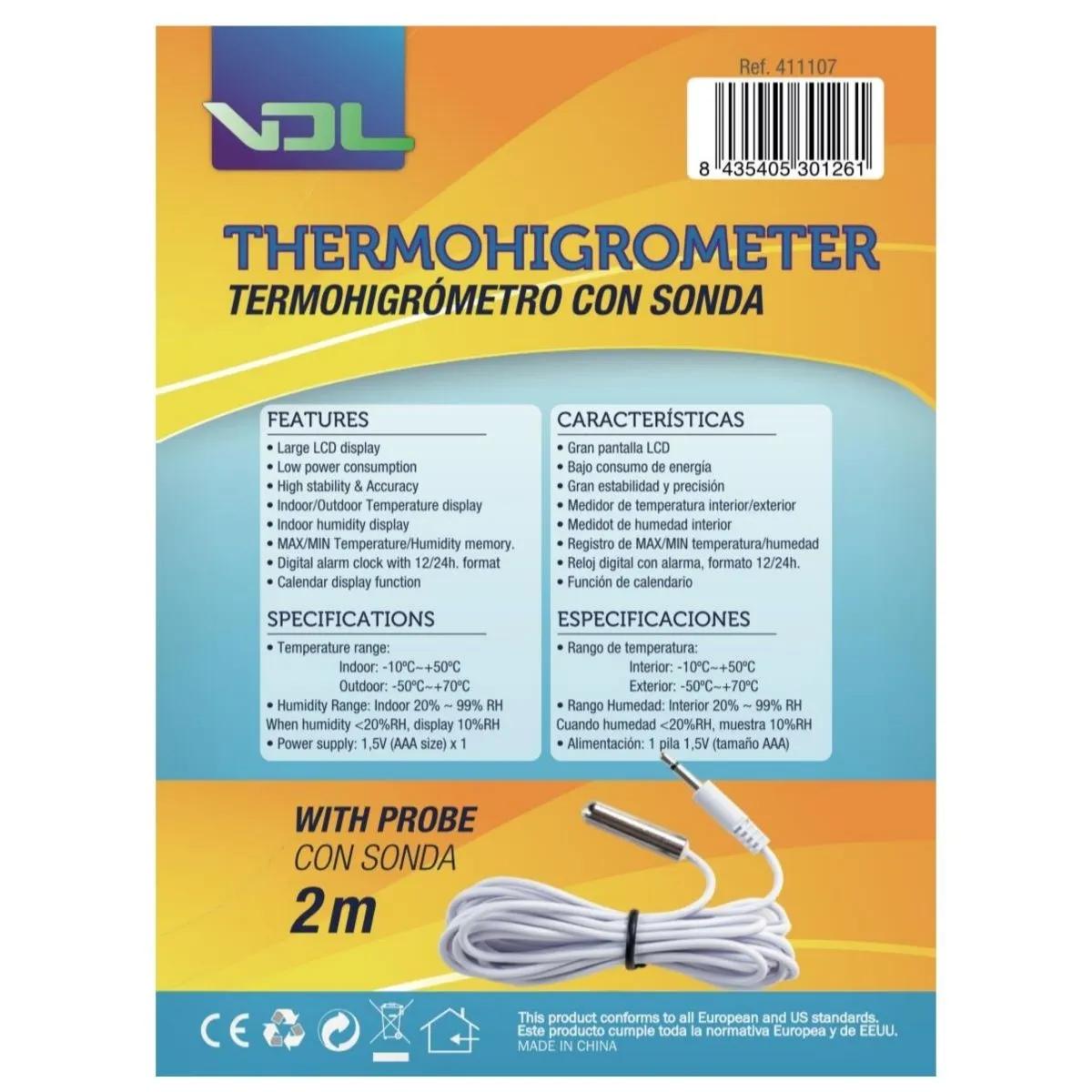
Complete your climate setup: pair the CO2BAG with a thermo-hygrometer to monitor temperature and humidity alongside your CO2 enrichment. If you're running a tent without proper ventilation yet, grab a carbon filter and extraction fan kit — CO2 enrichment works best in a reasonably sealed environment where the gas isn't immediately pulled out through open vents.
Here's what we've seen happen dozens of times: a grower invests in a decent light, good genetics, proper nutrients — and still gets underwhelming results. The plant has everything it needs except one thing: enough carbon dioxide to keep up with the light energy it's receiving. It's like putting premium fuel in a car but restricting the air intake. The engine can't use what it's got.
In a sealed or semi-sealed grow tent, CO2 gets consumed fast. Your extraction fan replaces some of it with fresh air, but the net level inside the tent often hovers below ambient, especially during lights-on when photosynthesis is running full tilt. That's the gap CO2BAG fills. It's not a miracle product — it's the missing piece that lets your existing setup perform closer to its potential.
The texture of the bag itself is worth mentioning: it feels like a thick, slightly padded envelope. The filter patch on one side is where the CO2 seeps through — you can feel a very faint warmth if you hold your hand close, which tells you the biological process inside is active. There's a mild, earthy smell when you first open the packaging, but nothing that lingers or bothers. After a day or two hanging in the tent, you won't notice it at all.
Compared to the ExHale CO2 bag (the main competitor in this category), CO2BAG's formula has been specifically refined with breeders since 2013 — that's over a decade of iteration. Both products work on the same principle, but the CO2BAG's two-size system gives you more flexibility. The M variant at 100 g of active content is genuinely compact enough for a 60x60 tent without being overkill, while the XL handles rooms up to 8 m² with a lifespan stretching to 6 months. Most competitors offer a single one-size-fits-all bag, which either underperforms in large spaces or wastes output in small ones.
The number one question we get about CO2 bags: "Will I actually notice a difference?" Honestly, yes — but don't expect it overnight. The change is cumulative. After 10–14 days, most growers report thicker stems, tighter internodal spacing, and leaves that feel noticeably more robust. By harvest, the difference in density and overall yield becomes clear. It's not a 50% boost — think 10–20% improvement in a well-dialled setup. But for the cost of a single bag, that return is hard to argue with.
The second most common question: "Do I need a CO2 monitor?" You don't strictly need one, but a basic CO2 meter (around 30–50 euros) takes the guesswork out. It lets you see whether your fan schedule is pulling out too much CO2, or whether the bag is still producing. Note that while CO2 is essential for plant health, concentrations above 5,000 ppm are considered harmful to humans and animals — so if you're working in a sealed room (not a tent you open daily), a monitor is a smart safety measure.
The M variant lasts 1–3 months, the XL lasts 3–6 months. Actual lifespan depends on temperature, airflow, and room conditions. Higher temperatures speed up the biological process, which means more CO2 output but a shorter lifespan. In a warm tent (28–30°C), expect the lower end of the range.
Yes, but dial it back. A fan running 24/7 at full speed pulls CO2 out faster than the bag produces it. Use a fan controller or timer — 15 minutes on, 45 off is a common starting point. You want enough airflow to manage heat and humidity without flushing all the enriched air.
At or slightly above canopy height, as centrally as possible. CO2 is denser than air and sinks, so hanging it high lets gravity distribute the gas down across your plant canopy. Avoid placing it directly next to your extraction fan outlet.
The bag produces CO2 at levels well within safe ranges for the grow spaces it's designed for (4–8 m²). Normal ambient CO2 is around 400 ppm, and the target enrichment zone for plants is 1,000–1,500 ppm. Concentrations above 5,000 ppm are considered harmful to humans, but a single CO2BAG in a ventilated tent won't come close to that level.
They work — but they're not magic. A passive CO2 bag won't match the output of a bottled CO2 system with a controller. What it does is raise ambient CO2 levels enough to make a measurable difference in growth rate and harvest density, especially in small, semi-sealed tents. We've sold these since they first appeared on the market, and the repeat purchase rate tells the story: growers who try one almost always come back for another.
If your tent is 80x80 cm or smaller, go M. If you're running a 100x100 or 120x120, the XL makes more sense — it covers up to 8 m² and lasts up to 6 months, so you won't need to replace it mid-grow. When in doubt, size up. A bit of extra CO2 in a small space won't cause problems.
Absolutely. In larger spaces or rooms with higher airflow, running two bags (one on each side of the canopy) gives more even distribution. Just make sure your total coverage area matches your grow space — two M bags cover roughly 8 m², same as one XL.
Last updated: April 2026