African Dream
by Unbranded
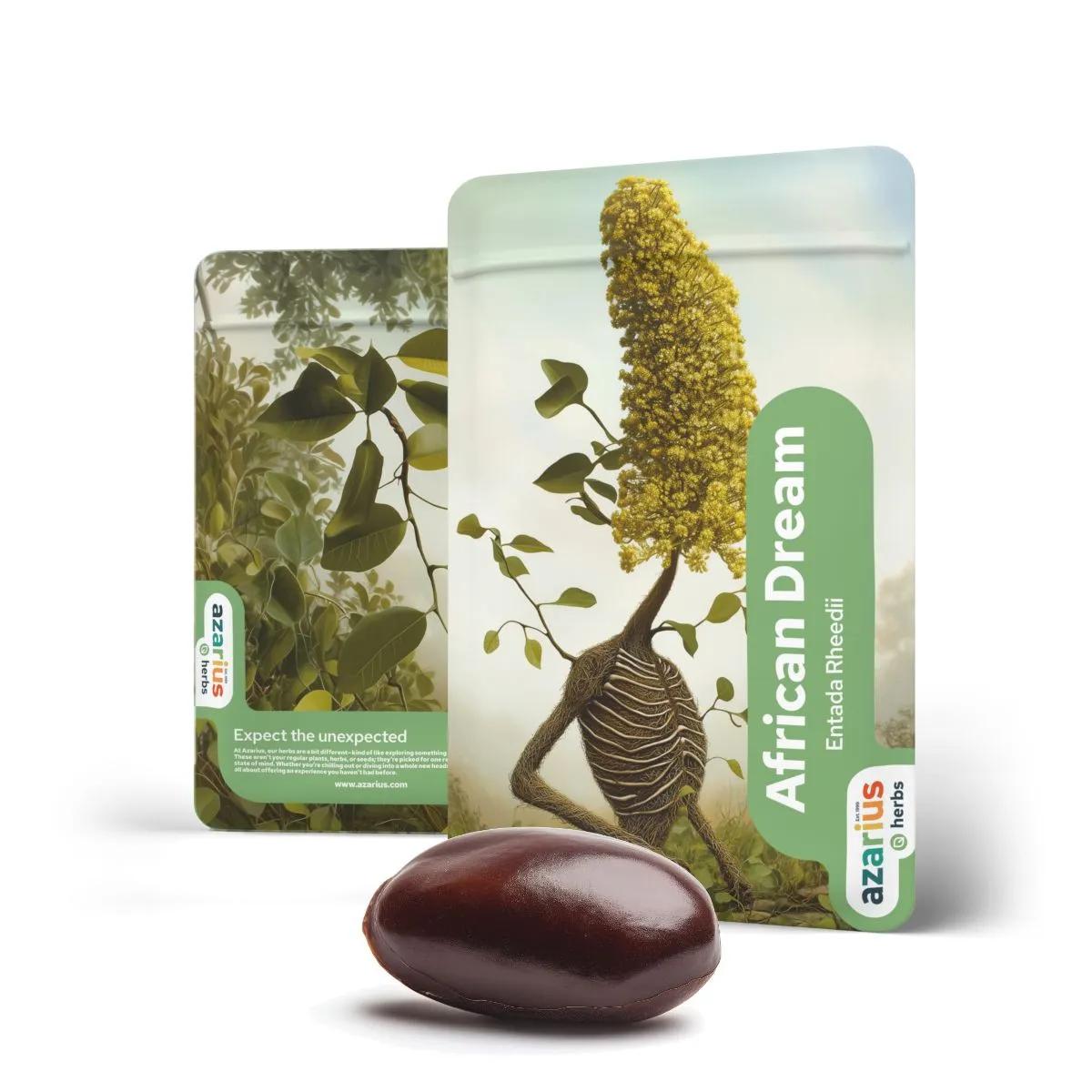
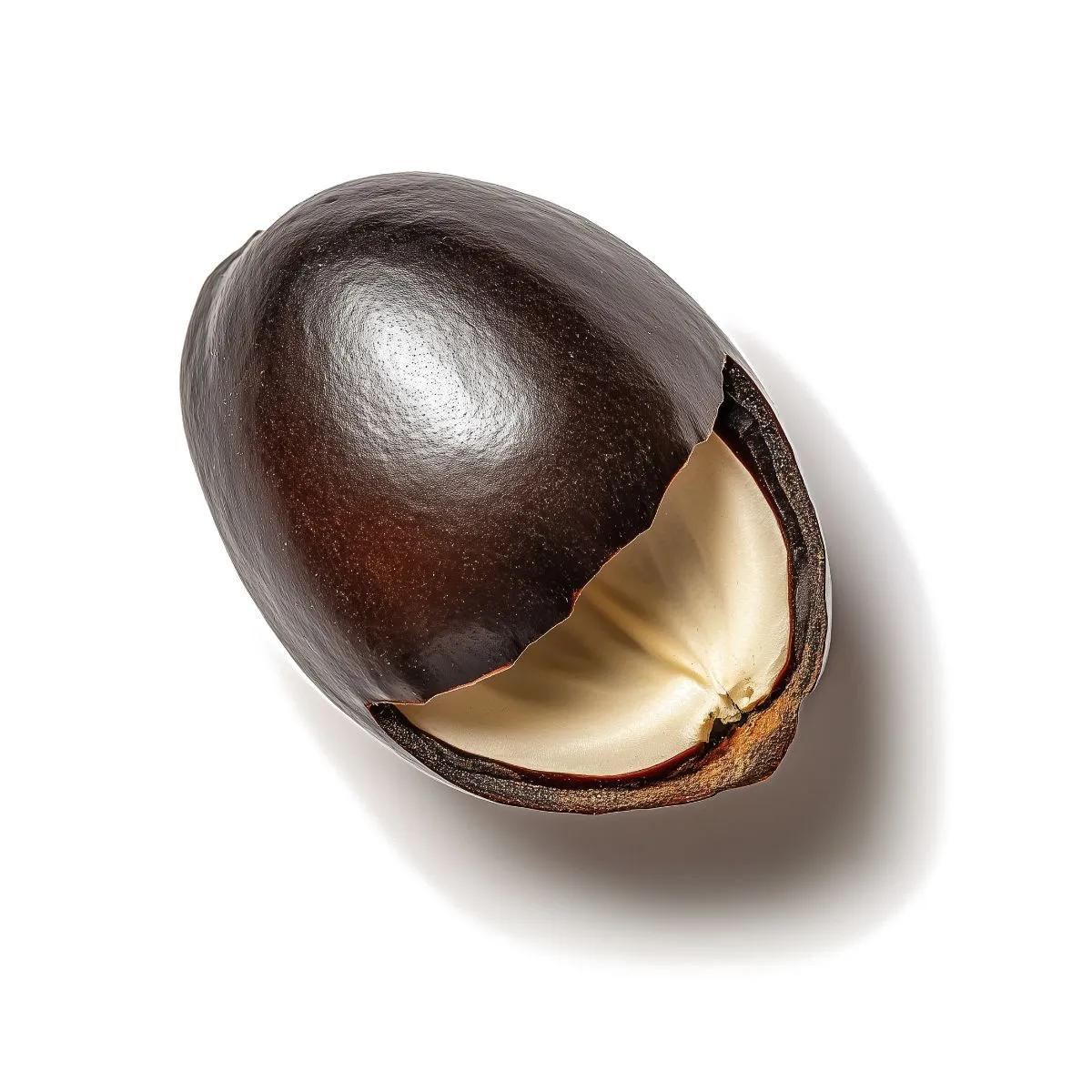
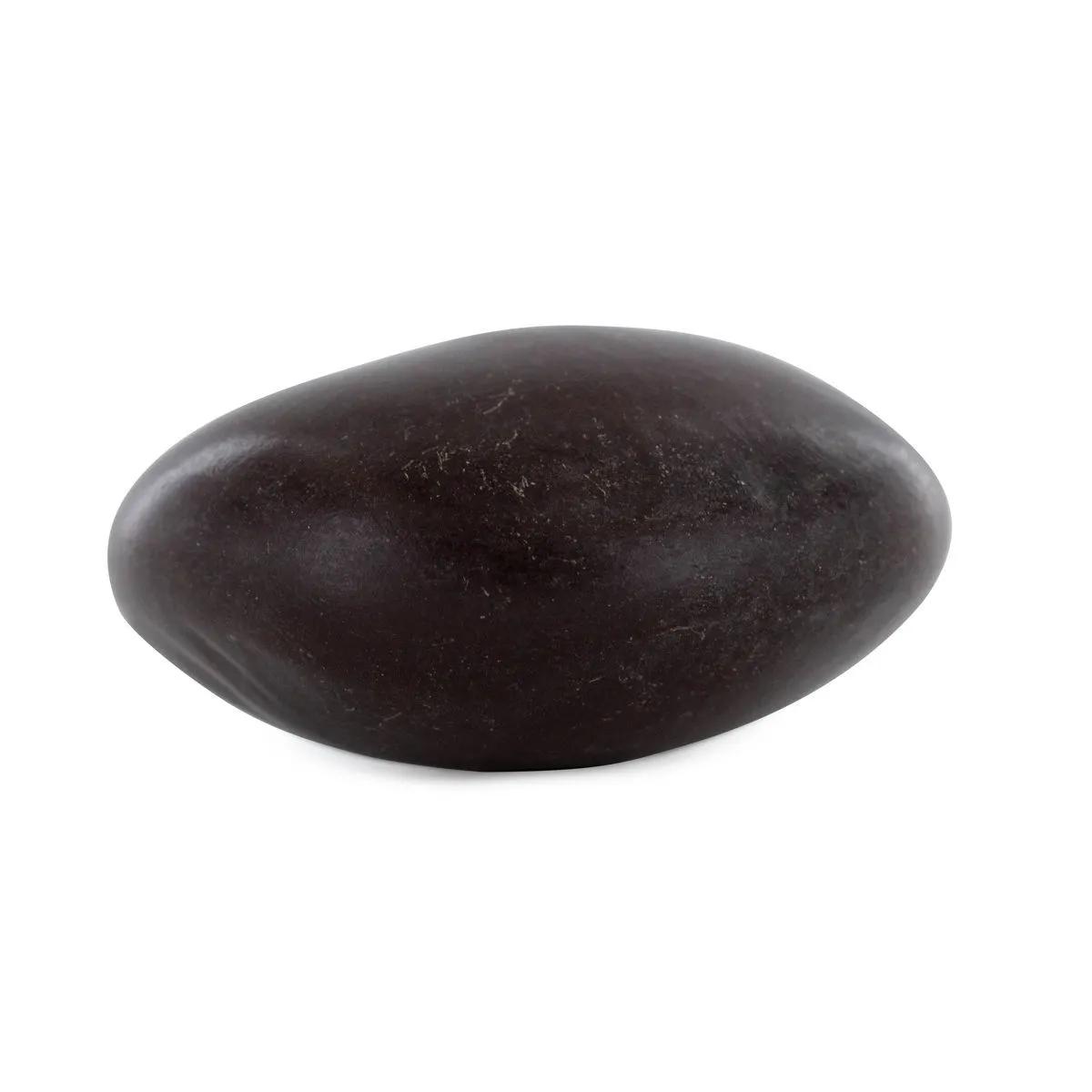
African Dream Seeds are large, resilient seeds from the Entada Rheedii climbing plant, traditionally used by indigenous African tribes to intensify dream recall and promote vivid, memorable dreams during sleep. Each seed has a thick outer shell built to survive months at sea — these things literally wash up on beaches across the world after drifting thousands of miles from riverbanks in Africa, Asia, and Australia. One seed is all you need for a night of noticeably livelier sleep.
African Dream Seeds have been part of shamanic practice across the African continent for centuries. Indigenous tribes valued Entada Rheedii not just as an herbal preparation but as a spiritual tool — a way to connect with the spirit world through the dream state. The seeds are also traditionally carried as talismans for good fortune, which tells you something about how highly regarded they are in the cultures that know them best.
The thing that makes these seeds genuinely interesting is their cross-cultural reputation. Because Entada Rheedii grows near rivers and waterways, the seeds drop into the current and get carried out to sea. That thick, almost armour-like outer coating keeps them viable across thousands of miles of ocean travel. They've been found on beaches from West Africa to Australia, and nearly every culture that encounters them independently arrives at the same conclusion: there's something special about these seeds. Whether you call them Bream Beans, Gogo, Sea Bean, or Snuff Box Sea Bean, the common thread is their association with vivid dreaming and a touch of the mystical.
We've been stocking dream herbs at Azarius since the early 2000s, and African Dream Seeds remain one of the most asked-about products in this category. They're not flashy, they don't come in fancy packaging — you get a single large seed with a story that stretches back centuries. That's the appeal.
Preparation is straightforward, though it does require a bit of hands-on work. The outer shell of the Entada Rheedii seed is extremely hard — you won't crack it with your fingers.
One honest note: the inner flesh has a somewhat bland, slightly bitter taste. It's not unpleasant, but don't expect it to taste like a snack. Most people just chew it quickly and wash it down.
| Specification | Detail |
|---|---|
| Botanical Name | Entada Rheedii |
| Common Names | African Dream Seeds, Bream Beans, Gogo, Sea Bean, Snuff Box Sea Bean |
| Plant Type | Woody climber (liana) |
| Natural Habitat | Riverbanks and waterways in Africa, Asia, and Australia |
| Part Used | Inner seed flesh (kernel) |
| Contents | 1 seed |
| SKU | SM0096 |
| Traditional Use | Dream enhancement, spiritual practice, good luck talisman |
Scientific investigation into Entada Rheedii is still in early stages, but what exists is genuinely interesting. According to a phytochemical study published in PMC, researchers conducting continuous investigation on Cameroonian medicinal plants carried out analysis of the seed kernels of Entada Rheedii and identified two new tryptophan derivatives — compounds that belong to the same chemical family as serotonin and melatonin, both of which play key roles in sleep and dreaming (PMC, 2013). The presence of tryptophan-related compounds in the seed kernel provides a plausible biochemical basis for the traditional dream-enhancing reputation.
It's worth being upfront: there are no large-scale clinical trials specifically on Entada Rheedii and dream enhancement. The traditional evidence is strong — centuries of consistent use across multiple cultures — but the Western research is still catching up. According to a review in PMC discussing traditional African medicinal plants, stem bark of Entada Rheedii has been used on the Ivory Coast, Ghana, Cameroon, and the Congo for various traditional purposes (PMC, 2024). This confirms the plant's longstanding role in African herbal traditions extending well beyond dream use alone.
We should also note that African Dream Seeds (Entada Rheedii) are sometimes confused with African Dream Root (Silene capensis), which is a completely different plant used by the Xhosa people of South Africa. According to research published in a neuropsychopharmacological review, Silene capensis contains triterpene saponins that researchers believe may help stimulate vivid or lucid dreams (Healthline; PMC, 2024). Different plant, different compounds, but the same cultural fascination with botanicals that open the door to the dream world. If you're interested in comparing the two, we carry both.
After 25 years of selling dream herbs from our Amsterdam shop, we've heard a lot of morning-after stories. African Dream Seeds tend to produce the most consistent feedback of anything in our dream herb range. The pattern we hear most often: people fall asleep normally, but wake up remembering significantly more detail from their dreams than usual. Colours are brighter, narratives are more coherent, and there's often a lingering feeling that the dream meant something — even if you can't quite put your finger on what.
The main effect reported is heightened dream awareness and improved recall. Some customers describe their dreams as feeling more "real" or immersive. Traditional accounts from indigenous African use describe the vivid dreams as a connection to the spirit world, where communication with ancestors becomes possible. We can't verify the spiritual claims from behind a counter in Amsterdam, but we can tell you the dream intensity reports are remarkably consistent across very different types of people.
The honest limitation: not everyone notices a dramatic effect on the first night. Some people report the strongest results on the second or third use. And if you're someone who already has vivid dream recall naturally, the difference may be subtler. Keep that notebook by your bed — the act of writing dreams down immediately after waking seems to amplify the recall effect over time, with or without the seeds.
| Feature | African Dream Seeds (Entada Rheedii) | African Dream Root (Silene capensis) |
|---|---|---|
| Plant Type | Woody climbing liana | Flowering herb |
| Part Used | Inner seed kernel | Root |
| Cultural Origin | Multiple African tribes, widespread | Xhosa people, South Africa |
| Key Compounds | Tryptophan derivatives | Triterpene saponins |
| Preparation | Crack shell, eat or infuse inner flesh | Cold water infusion, frothed |
| Reported Effect | Vivid dreams, improved recall | Lucid dreams, prophetic dreams |
| Onset | Same night or within 2-3 uses | Often builds over several days |
Pair your African Dream Seeds with Calea Zacatechichi (Mexican Dream Herb) for a broader exploration of traditional dream botanicals. If you're drawn to the spirit-world connection, African Dream Root (Silene capensis) makes a natural companion — different plant, different mechanism, same fascinating territory. A dream journal is the most underrated tool in this category: write immediately upon waking, before the details dissolve.
Most of us spend roughly a third of our lives asleep, yet we remember almost nothing from those hours. The average person forgets 95% of their dreams within 5 minutes of waking. That's an enormous amount of mental activity — problem-solving, emotional processing, creative generation — that just evaporates before your feet hit the floor.
African Dream Seeds address this directly. They're one of the oldest and most widely used dream herbs on the planet, with a track record that spans centuries and continents. The tryptophan derivatives identified in the seed kernels suggest there's real chemistry behind the folklore. And unlike some dream supplements that require complex preparation or multi-day protocols, Entada Rheedii is about as simple as it gets: crack the shell, eat the flesh, go to sleep.
The other thing worth mentioning — these seeds are genuinely fascinating objects in their own right. Each one has potentially travelled thousands of miles by ocean current before ending up in your hands. The outer shell is evolved to withstand months of saltwater immersion. There's a reason cultures around the world independently decided these seeds carry good luck. Even if you set aside the dream effects entirely, holding one of these in your palm and knowing where it's been is a small reminder that the natural world is stranger and more connected than we usually give it credit for.
One seed contains enough inner flesh for a single session. Crack the outer shell, remove the white kernel inside, and consume it before bed. One seed per night is the traditional approach.
Roughly 30 to 45 minutes before you plan to sleep. This gives the inner flesh time to be digested. Eating on a relatively empty stomach may produce more noticeable results.
The primary reported effect is vivid, memorable dreams with improved recall — not full lucid dreaming (where you consciously control the dream). Some users do report increased awareness during dreams, which can be a stepping stone to lucidity, but it's not guaranteed.
The inner flesh is bland with a slightly bitter edge. Not unpleasant, but not something you'd eat for flavour. Most people chew quickly and follow with water or mix the crushed flesh into a warm drink.
No. African Dream Seeds come from Entada Rheedii, a climbing liana. African Dream Root comes from Silene capensis, a flowering herb used by the Xhosa people. Both are associated with vivid dreaming but contain different active compounds and require different preparation methods.
Traditionally, the seeds are used as needed rather than daily. Some customers report stronger effects after 2-3 consecutive nights. Listen to your body and take breaks if you feel the need.
Use a sturdy knife, small saw, or even a vice. The shell is extremely tough — it's designed to survive ocean crossings. Score a line around the equator of the seed and pry it open. Don't rush it; patience prevents slipped blades.
Last updated: April 2026
Medical disclaimer. This content is for informational purposes only and does not constitute medical advice. Consult a qualified healthcare provider before use of any substance.