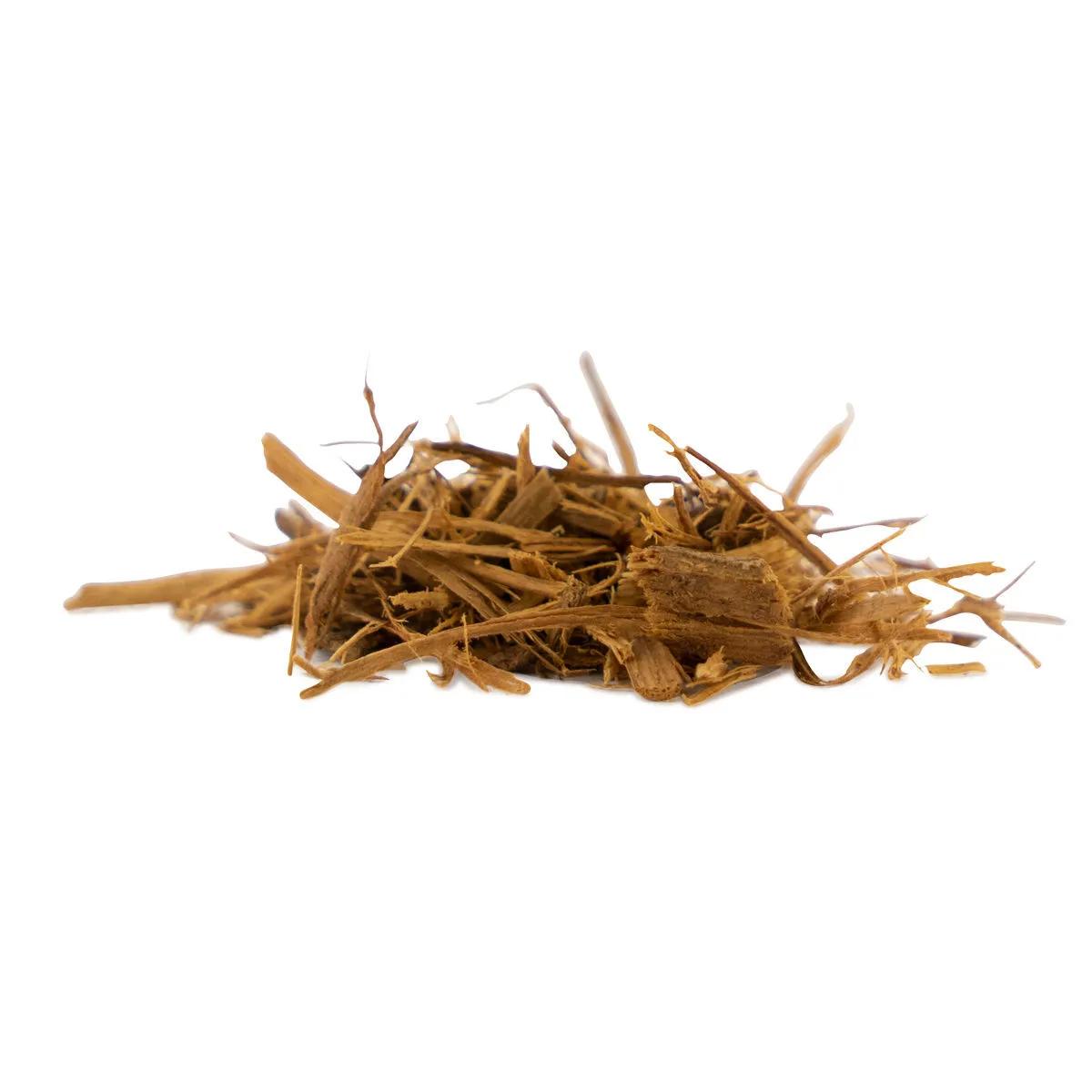
Banisteriopsis Caapi
by Unbranded
Banisteriopsis caapi is a giant woody vine native to the Amazon basin, revered for centuries by indigenous communities as a sacred plant used in ceremonial and spiritual contexts. We stock it shredded in 50g packs — dried, ready to prepare, and sourced from South American suppliers who know the vine inside out. If you've been reading about Amazonian plant traditions and want to work with the raw material yourself, this is where you start.
Banisteriopsis caapi is the foundational ingredient of ayahuasca — the plant tea that's been used across the Amazon for ritual and medicinal purposes for generations. According to a review published in PMC, "Banisteriopsis caapi is the basic ingredient of ayahuasca, a psychotropic plant tea used in the Amazon for ritual and medicinal purposes" (Callaway et al., PMC5509699). What sets caapi apart from most other ethnobotanicals is its rich profile of beta-carboline alkaloids — primarily harmine, harmaline, and tetrahydroharmine — which act as monoamine oxidase inhibitors (MAOIs).
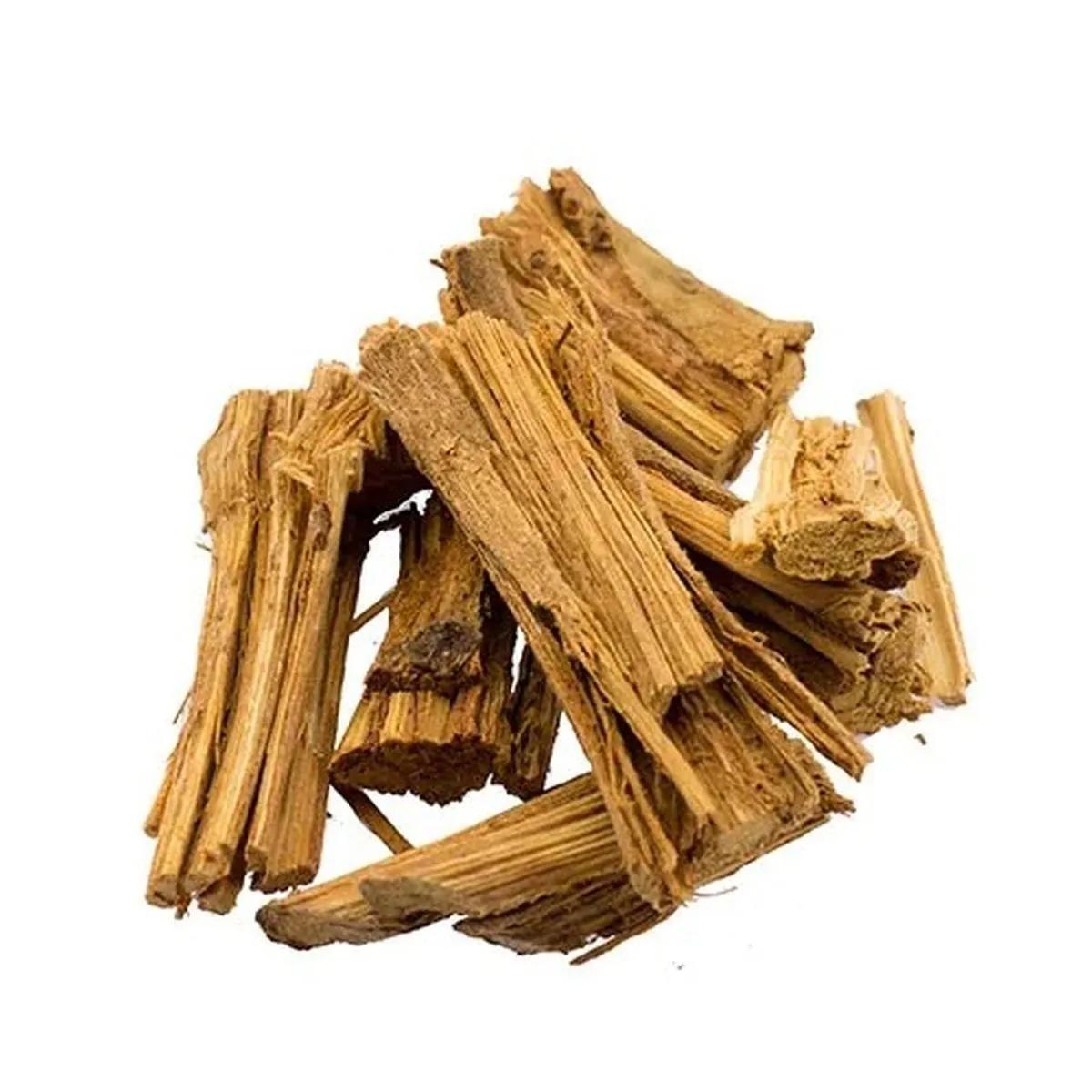
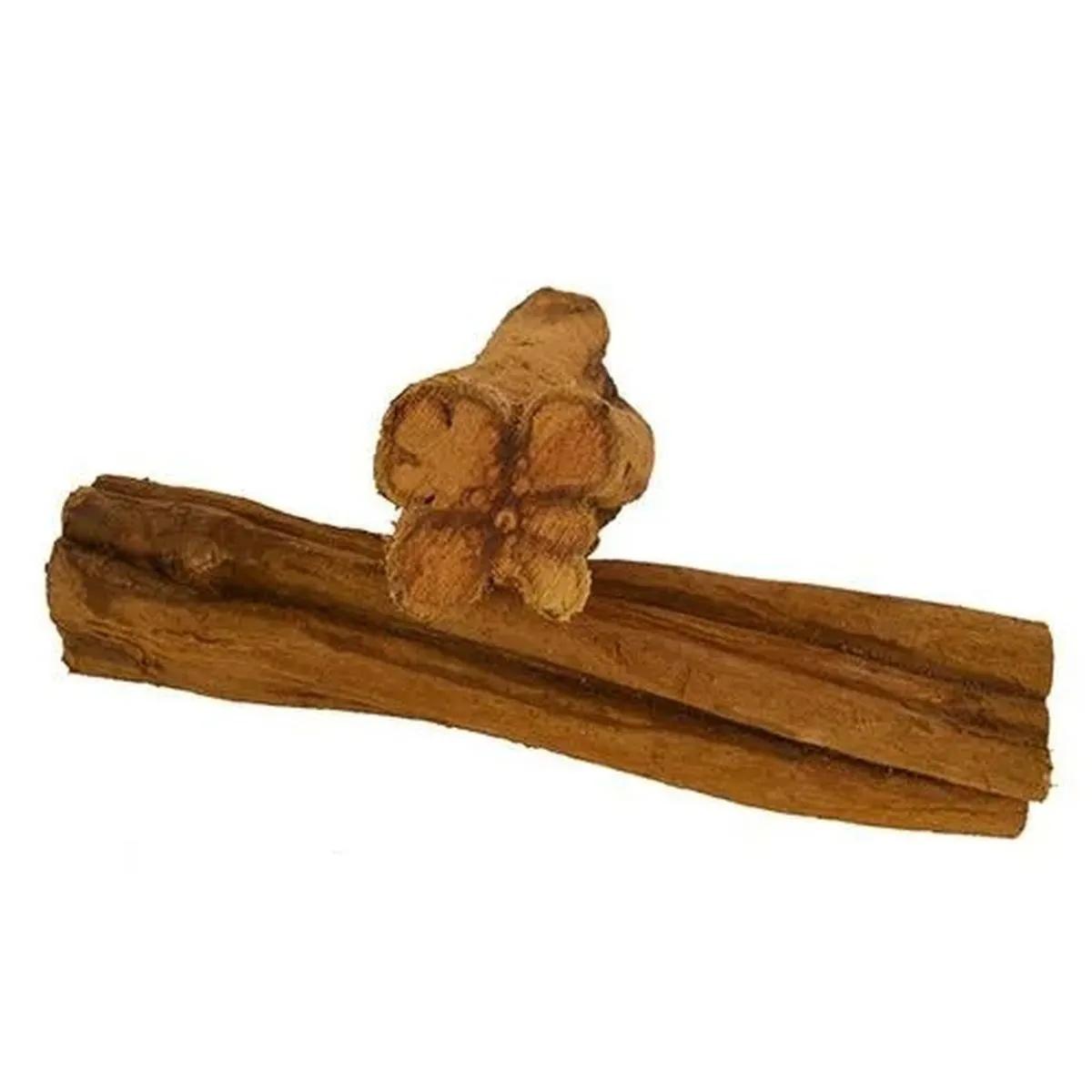
When you hold a handful of this shredded vine, you'll notice it immediately: woody, fibrous strips with a slightly bitter, earthy scent that's unmistakably vegetal. It smells like the forest floor after rain. The texture is rough and bark-like — nothing delicate about it. This is a thick jungle liana that can grow over 30 metres long in the wild, and even dried and shredded, it carries that density.
The vine is traditionally prepared on its own (sometimes called "purgahuasca") or combined with DMT-containing plants to create the full ayahuasca brew. According to research published in PubMed, clinical data on the ingestion of purgahuasca (caapi-only preparations) by patients at the Takiwasi centre showed it has its own distinct profile of use in traditional therapeutic settings (Berlowitz et al., 2020). So the vine isn't just a vehicle for DMT — it has a long history of standalone use.
The alkaloid profile of Banisteriopsis caapi has drawn serious scientific interest over the past two decades. Here's what researchers have found — framed honestly, without overpromising.
According to a 2019 paper in PMC, "a few patients with Parkinson's disease reported improvement of parkinsonism after the use of ayahuasca (a concoction including B. caapi and other plants)" (Schwarz et al., PMC6353393). That's interesting but preliminary — we're talking case reports, not large-scale clinical trials. Nobody should treat this vine as a substitute for medical treatment.
A 2024 study published in PMC investigated anti-inflammatory effects, noting that "neuroinflammation plays a central role in neurodegenerative diseases such as Alzheimer's and Parkinson's, along with depression, anxiety, and infectious diseases," and that Banisteriopsis caapi extracts showed anti-inflammatory activity in laboratory models (PMC12883980). Again — lab models, not human clinical proof. But it gives you an idea of why researchers keep coming back to this plant.
A 2022 study examining the chemical components of Banisteriopsis caapi found that selected beta-carbolines and several newly described compounds showed biological activity, adding to our understanding of why this vine has been used traditionally for so long (PMC9025580). And a systematic review in PMC noted that the resistance of microorganisms to conventional drugs has driven interest in natural alternatives, with ayahuasca components showing antimicrobial properties in preliminary research (PMC10346174).
The honest takeaway: the science is genuinely interesting, but it's early-stage. We sell the vine because of its deep ethnobotanical significance and the growing body of research — not because we can promise specific outcomes.
| Compound | Type | Notes |
|---|---|---|
| Harmine | Beta-carboline alkaloid | Primary MAO-A inhibitor in the vine |
| Harmaline | Beta-carboline alkaloid | Also MAO-inhibiting, present in lower concentrations |
| Tetrahydroharmine (THH) | Beta-carboline alkaloid | Mild serotonin reuptake inhibitor alongside MAO inhibition |
| Spec | Value |
|---|---|
| Botanical Name | Banisteriopsis caapi |
| Common Names | Caapi, Yagé, Ayahuasca vine, Vine of the Soul |
| Plant Family | Malpighiaceae |
| Part Used | Vine (bark and inner wood) |
| Form | Shredded / cut |
| Pack Size | 50 g |
| SKU | SM0003 |
| Origin | South America (Amazon basin) |
| Key Alkaloids | Harmine, harmaline, tetrahydroharmine |
| Mechanism | Monoamine oxidase inhibition (MAO-A) |
| Storage | Cool, dry, dark place — sealed container |
Working with Amazonian botanicals? Syrian Rue (Peganum harmala) contains similar harmala alkaloids and is often studied alongside Banisteriopsis caapi. For a different approach to traditional plant preparations, Mimosa hostilis root bark and Psychotria viridis are both worth looking into. Pair with a precision scale to weigh your material accurately — eyeballing dried plant matter is a recipe for inconsistency.
We've stocked Banisteriopsis caapi since the early days of the shop, and it remains one of the most asked-about products on the shelves. Customers walk in having read about ayahuasca ceremonies, or they've come across research papers on harmala alkaloids, and they want to understand the raw plant itself — not just the stories around it.
Here's the thing: most people who buy this vine are serious about what they're doing. They've done their reading, they understand the significance of the plant in Amazonian traditions, and they want to prepare it with intention. That's exactly the kind of customer we like serving. This isn't a casual impulse buy — it's an ethnobotanical with thousands of years of documented traditional use, and the growing scientific literature only adds to its intrigue.
The honest limitation? Working with raw shredded vine is labour-intensive. You'll need to simmer it for extended periods, and the taste is — let's be direct — deeply bitter and woody. It's not pleasant. Traditional preparation involves hours of slow reduction, and even then, the flavour doesn't improve much. That bitterness is part of the experience in traditional contexts, but don't expect a pleasant cup of tea. If you're after convenience, this isn't it. If you're after authenticity and the real deal, this is exactly what you want.
This is the section you actually need to read. Banisteriopsis caapi contains MAO-inhibiting alkaloids, and that comes with real pharmacological consequences. According to research published in PubMed, ayahuasca "combines monoamine oxidase-inhibiting beta-carbolines" with other compounds, and these MAOIs interact with a wide range of substances (Riba et al., 2004).
MAO inhibitors can interact dangerously with medications that affect serotonin levels. The risk of serotonin syndrome — a potentially life-threatening condition — is real when combining MAOIs with SSRIs, SNRIs, tricyclic antidepressants, amphetamines, MDMA, cocaine, lithium, or certain opioids (particularly tramadol and dextromethorphan). If you're on any medication, research the interactions thoroughly before going anywhere near this vine.
Documented contraindications from the research literature include cardiovascular problems, endocrine disorders, abnormal lipid metabolism, glaucoma, fever, and pregnancy. Alcohol should also be avoided.
Nausea and purging are common with traditional preparations — in Amazonian contexts, this is considered part of the process, not a side effect. But it's worth knowing upfront: you will likely feel nauseous, and vomiting is normal rather than exceptional.
From our counter: we always tell people that Banisteriopsis caapi demands respect. This isn't something to experiment with casually on a Saturday night. Set and setting matter enormously. Have someone sober with you. Don't combine it with anything unless you've done exhaustive research on the interaction profile. And if you're on antidepressants — full stop, do not use this vine until you've spoken with a medical professional and done a proper washout period if appropriate.
Indigenous Amazonian communities have used Banisteriopsis caapi for centuries in ceremonial and healing contexts. It's the base ingredient of ayahuasca and is also used on its own in preparations sometimes called purgahuasca. The vine is considered sacred — its common name, "Vine of the Soul," reflects its spiritual significance.
Yes. The vine has a long history of standalone use. According to research from the Takiwasi centre, caapi-only preparations (purgahuasca) are used therapeutically in traditional settings. The experience differs significantly from full ayahuasca — it's generally milder and more introspective, with purging often being the primary physical effect.
Bitter. Very bitter. Woody, earthy, and astringent — think of boiling bark for hours, because that's essentially what you're doing. Some people add honey or mix the reduced liquid with juice, but nothing fully masks the flavour. The taste is considered part of the traditional experience.
Keep it in a sealed container in a cool, dry, dark place. Properly stored, dried shredded vine holds its potency for a long time — well over a year. Avoid moisture exposure, which can lead to mould. If you've prepared a liquid brew, refrigerate it and use within a few days, or freeze for longer storage.
The vine contains MAO-inhibiting alkaloids that interact dangerously with SSRIs, tricyclic antidepressants, MAOIs, amphetamines, cocaine, lithium, antipsychotics, and certain opioids. Serotonin syndrome is the primary risk. If you take any prescription medication, research the specific interaction with MAO inhibitors before considering this plant.
Completely normal. In traditional Amazonian use, purging (nausea and vomiting) is expected and even considered a core part of the process. It's not a sign that something has gone wrong — it's the vine doing what it does. Have a bucket nearby and don't fight it.
Each pack contains 50 grams of shredded dried vine. Ethnobotanical literature describes traditional preparations using 50–100+ grams of raw material, so one pack gives you enough to work with for a single preparation at the lower end of that range.
Last updated: April 2026
Medical disclaimer. This content is for informational purposes only and does not constitute medical advice. Consult a qualified healthcare provider before use of any substance.