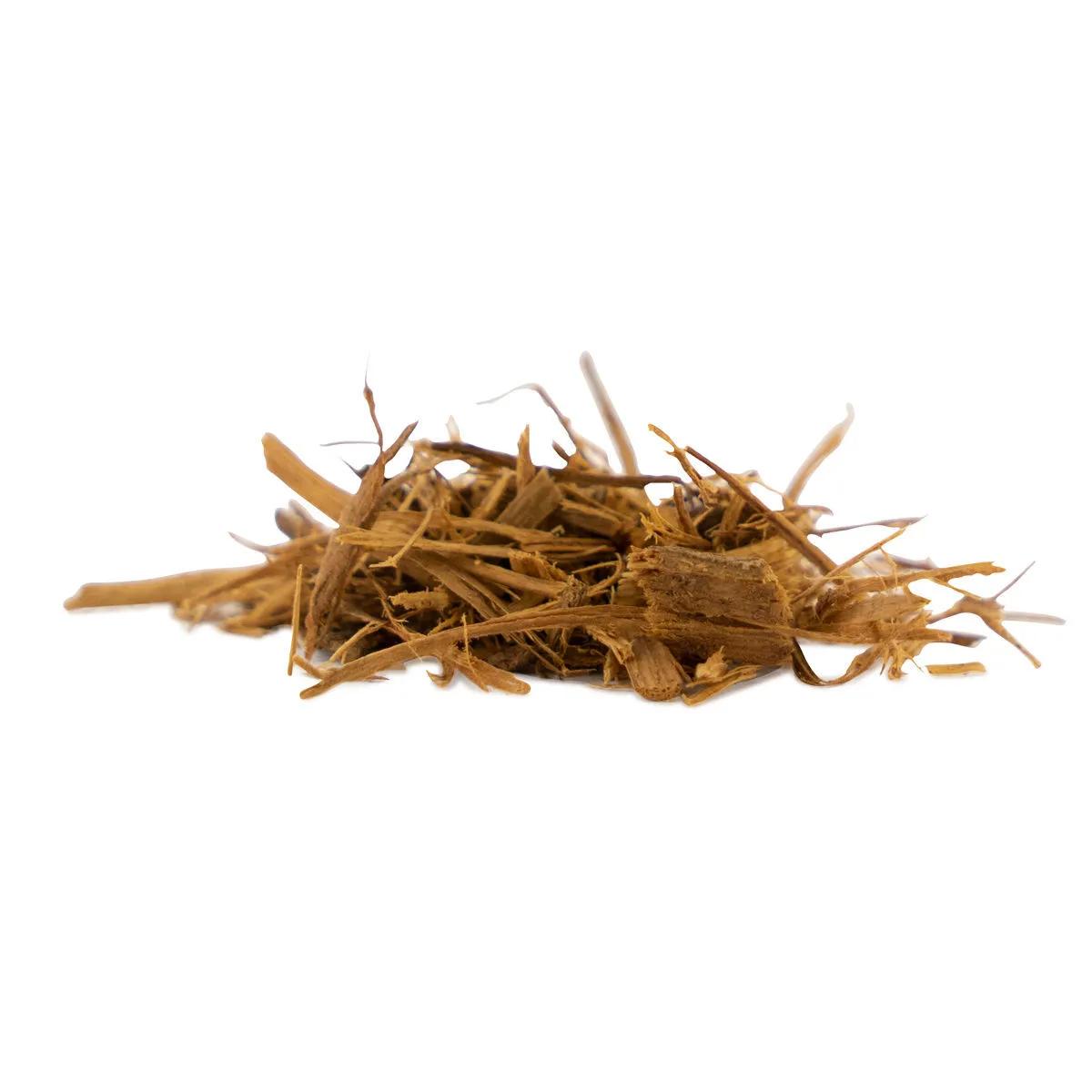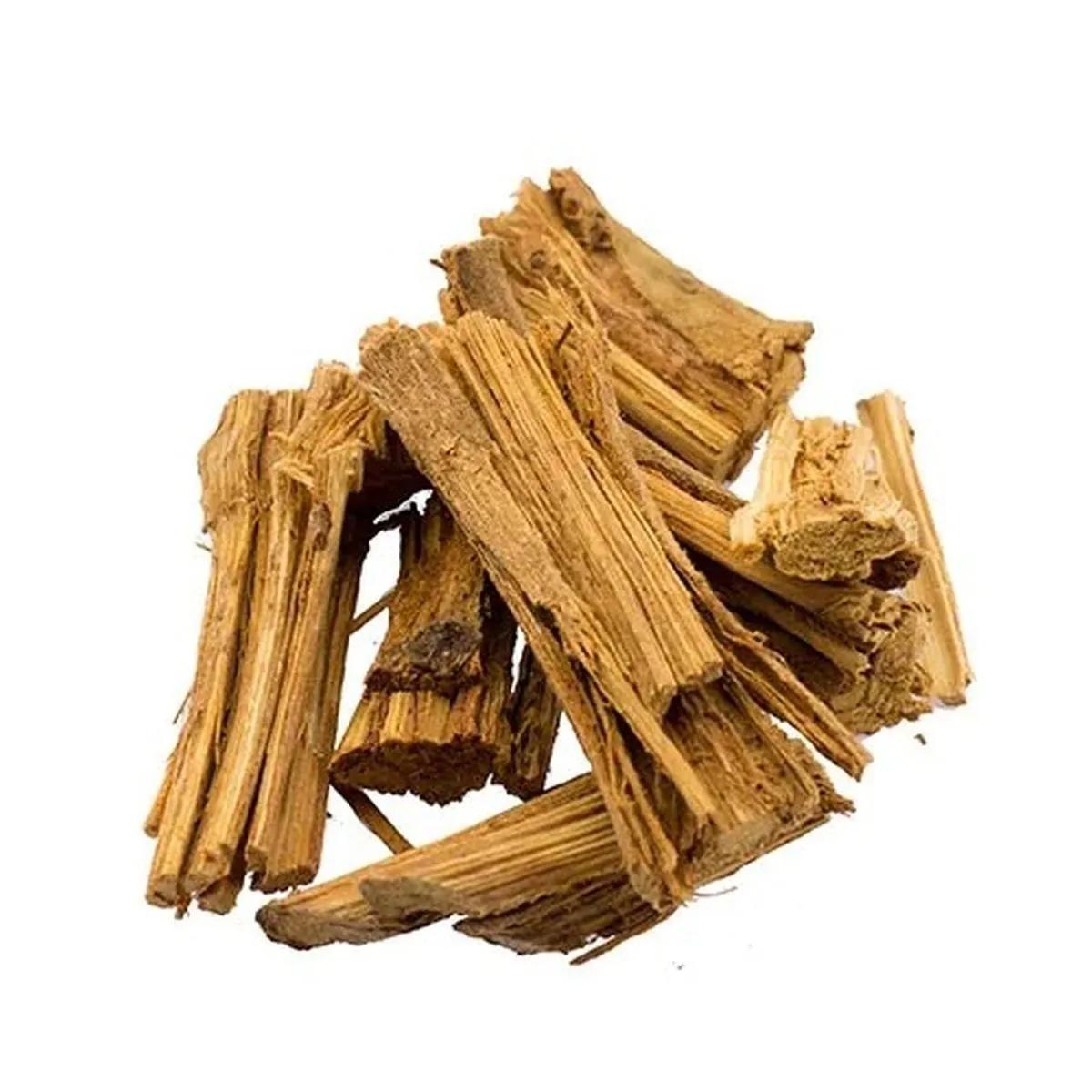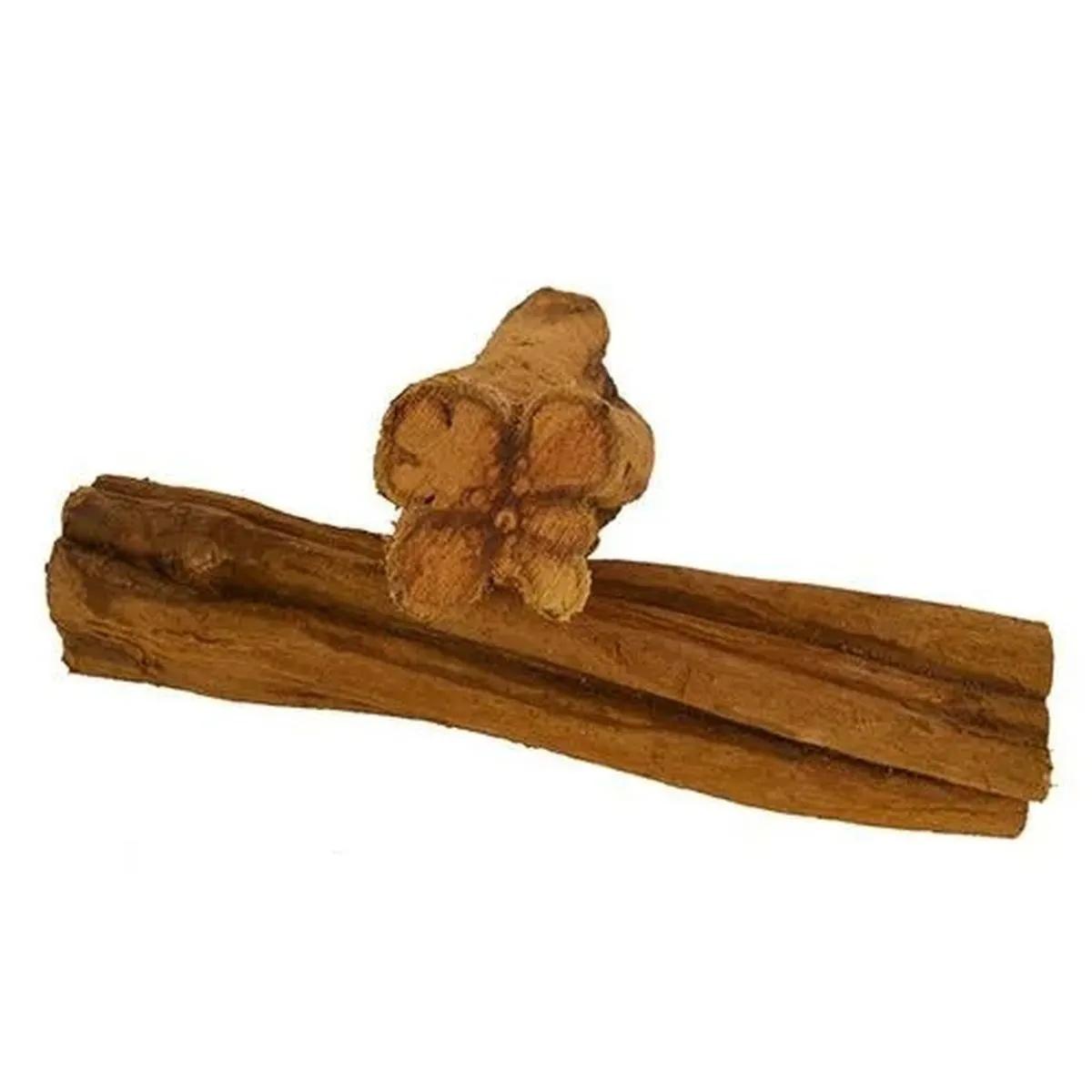
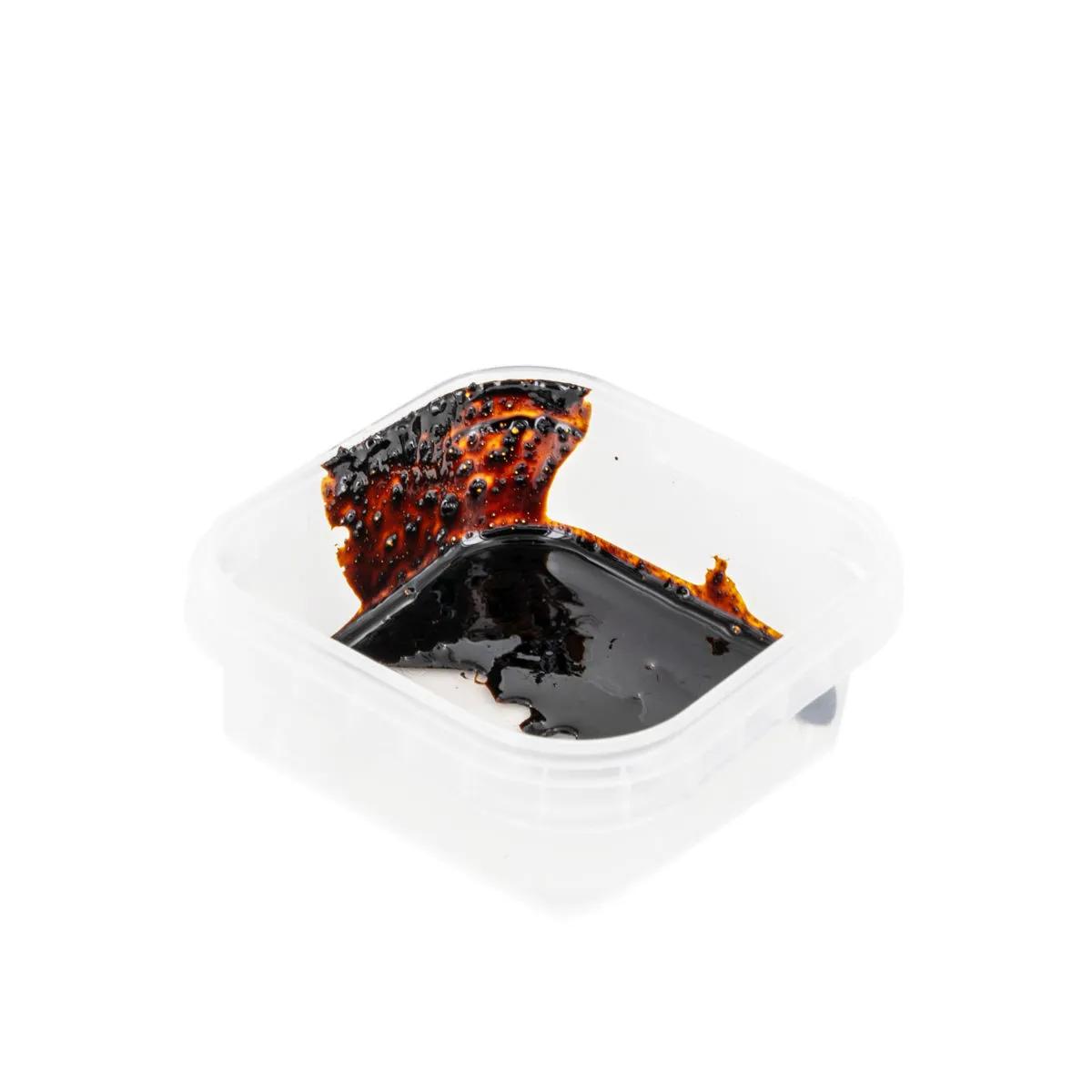
Banisteriopsis caapi Resin 15x is a concentrated extract derived from the vines of the legendary South American jungle liana — a 15-fold reduction of the raw plant material into a sticky, workable resin. This one's for experienced botanical enthusiasts who already know their way around traditional Amazonian plants and want a clean, concentrated version of the caapi vine without fillers or harsh solvents. Azarius has been stocking Banisteriopsis caapi products since the late '90s, and this 15x resin is among the cleaner extracts we've seen come through the shop.
The source plant, Banisteriopsis caapi, is the backbone of ayahuasca — the brew that Amazonian curanderos have been preparing for at least 500 years. The active compounds are β-carboline alkaloids: harmine, harmaline, and tetrahydroharmine. According to The Dark Side of "Smart Drugs": Cognitive Enhancement (PMC12031634), "B. caapi does not contain DMT but is rich in β-carboline alkaloids, including harmine, harmaline, and tetrahydroharmine." That distinction matters — caapi on its own is not a DMT source, and its pharmacology stands apart from the admixture plants often brewed alongside it.
This is a 15:1 concentration, meaning 1 gram of resin represents roughly 15 grams of raw vine. No additives, no harsh chemicals, no mystery binders — just concentrated caapi. You prepare it as you see fit: dissolved in hot acidic water (a squeeze of lemon helps), strained, and sipped slowly. This guide is written for adults aged 18 and over.
Banisteriopsis caapi Resin 15x dosage — the research ranges
There is no officially approved dose for Banisteriopsis caapi. The numbers below reflect traditional-use ranges reported in ethnobotanical literature and vendor documentation — not personal recommendations. Start low, wait, and never stack doses within a 2-hour window.
Traditional fresh-vine preparations use 50–150g of raw plant material (Indian Spirit documentation; Banisteriopsis Caapi – Traditional Use). Because this is a 15x resin, the research-observed equivalent range drops substantially:
| Intensity | Resin 15x (research-observed equivalent) | Raw-vine equivalent |
|---|---|---|
| ● Threshold | 1.5–2 g | ~25–30 g fresh vine |
| ● Low | 2–3.5 g | ~30–50 g fresh vine |
| ● Medium | 3.5–6.5 g | ~50–100 g fresh vine |
| ● High (traditional ceremonial) | 6.5–10 g | ~100–150 g fresh vine |
Individual sensitivity varies — body weight, liver enzyme activity (CYP2D6 in particular), diet, and prior MAOI exposure all shift the curve. Onset after oral ingestion of a water-soluble preparation is typically 30–60 minutes. Never redose within 2 hours; the β-carbolines accumulate slowly and MAO inhibition compounds.
Banisteriopsis caapi Resin 15x specifications
| Species | Banisteriopsis caapi (Malpighiaceae) |
| Plant part | Vine (stem/liana) |
| Extract ratio | 15:1 resin |
| Active compounds | Harmine, harmaline, tetrahydroharmine (β-carbolines) |
| Pharmacology | Reversible MAO-A inhibitor (RIMA) |
| Additives | None — no fillers, no harsh solvents |
| Form | Sticky resin paste |
| Origin | South American source material |
| Onset | 30–60 minutes (oral, dissolved) |
| Duration | 4–6 hours (caapi alone, without admixtures) |
| Storage | Cool, dark, airtight — resin keeps indefinitely if sealed |
| Age restriction | 18+ only |
Complete your experience
Pair with Peganum harmala seeds or Syrian rue extract if you want comparative research material on β-carboline sources. For those researching the full ethnobotanical picture, Mimosa hostilis inner root bark is the classical DMT-containing admixture paired with caapi in traditional ayahuasca preparations. Keep them separate on the shelf — mixing β-carbolines with other MAOI-sensitive substances is not something to improvise.
Banisteriopsis caapi — history and origin
The first written records of Banisteriopsis caapi use date to the 16th century, when Spanish missionaries documented indigenous Amazonian peoples preparing a "yagé" brew from the vine. According to Parkinson's disease, dopaminergic drugs and the plant world (PMC9483127), "Explorers of the Amazonian rain forests had documented the potent hallucinatory effects of yagé, a drink prepared by indigenous peoples from the vine." The plant sits at the heart of shamanic traditions across Peru, Colombia, Ecuador, and Brazil — curanderos have used it for divination, diagnosis, healing ceremonies, and communication with the plant spirits they call doctores.
The genus Banisteriopsis was named after English clergyman-naturalist John Banister, though he never saw a caapi vine. Traditional names vary by region: caapi (Tupi), yagé (Colombia), natem (Shuar), kahpi (Tukano). The 1972 Botanical Society of America survey noted that some of these names may refer to different age-forms or ecotypes of the same plant, while others describe genuinely distinct varieties — red caapi, yellow caapi, black caapi, sky caapi — each with its own reputation among traditional practitioners.
Banisteriopsis caapi Resin 15x — pharmacology and effects
Caapi's pharmacology revolves around reversible inhibition of monoamine oxidase A (MAO-A). The β-carboline harmine is the primary inhibitor; harmaline adds to the effect; tetrahydroharmine also weakly inhibits serotonin reuptake. According to Components of Banisteriopsis caapi, a Plant Used in the Preparation of Ayahuasca (PMC9025580), the study "showed that selected β-carbolines and some of the new components, which had not been previously described, found in B. caapi" contribute to its pharmacological profile.
On its own — without a DMT-containing admixture — caapi produces a gentler, more grounded effect than full ayahuasca. Users report a meditative, introspective state, mild visual softening with eyes closed, and a physical heaviness traditional practitioners call mareación. According to Unveiling the Complexities of Medications, Substances (PMC11859396), "Research on ayahuasca (Banisteriopsis caapi) has suggested potential therapeutic uses for treating psychiatric disorders and addictions." And Ayahuasca: A review of historical, pharmacological (PMC11114307) notes that ayahuasca's "psychoactive effects are thought to be mediated primarily by 5-HT2A receptor activation," though the DMT component drives most of that receptor activity — not caapi alone.
Nausea is the honest limitation here. MAO-A inhibition in the gut is uncomfortable for many first-time users. This is not a pleasant-tasting preparation, and the body's response is part of why traditional ceremonies include purging as a recognised phase.
How to use Banisteriopsis caapi Resin 15x
- Weigh your material. A digital scale accurate to 0.1g is essential — this is concentrated material, not a herbal tea where eyeballing it works.
- Dissolve in acidified water. Add your weighed resin to 200–300ml of hot water with a squeeze of lemon or a splash of vinegar. The acid helps the alkaloids go into solution. Stir until the resin breaks down — this takes 5–10 minutes of patience.
- Strain if needed. Pour through a fine mesh or cheesecloth if any particulate remains.
- Sip slowly. Drink over 10–15 minutes rather than gulping. This reduces nausea and gives your stomach time to adjust.
- Wait. Onset is 30–60 minutes. Do not redose before the 2-hour mark. β-carbolines accumulate.
- Prepare your setting. Quiet space, dim light, no screens, no social obligations for the next 4–6 hours. A tripsitter or experienced friend is sensible for first exposures.
- Diet beforehand. Light food only for 6–8 hours before. Avoid aged cheeses, cured meats, fermented foods, and tyramine-rich foods for 24 hours before and after (MAOI interaction).
Taste and texture
Honestly? Rough. Caapi resin tastes intensely bitter, earthy, and slightly tannic — imagine burnt tree bark steeped in strong tea. The resin itself is sticky and dark brown, almost black. Most users cut the bitterness with ginger tea, a small amount of honey after dosing (not before — sugars can affect absorption), or by drinking the preparation in one focused sitting rather than sipping over an extended period. No amount of flavouring fully masks it. Consider it part of the process.
Why choose Banisteriopsis caapi Resin 15x
- Clean extraction, no additives. The resin contains only what was pulled from the vine — no binders, no harsh solvent residues, no fillers. Compare this to some 20x or 30x pastes where the extraction medium is less clearly declared.
- Balanced concentration. At 15:1, you get meaningful concentration without the steeper learning curve of 30x pastes. A 30x extract means half the material weight for the same effect — easier to overshoot. The 15x sits in a sensible middle ground for those moving on from raw shredded vine.
- Storage-friendly. Concentrated resin keeps significantly longer than raw shredded vine (which loses potency to oxidation within months). Vacuum-sealed resin remains stable for years if kept cool and dark.
- From our counter: we've stocked Banisteriopsis caapi in various forms since the late '90s — raw vine, shredded bark, 10x, 15x, 20x, 30x. The 15x resin is the one we most often hand to customers who want a concentrated, clean preparation without jumping straight to the heavier pastes.
Safety and harm reduction
β-carbolines are potent MAO-A inhibitors. This is the single most important safety consideration, and it is not negotiable:
- SSRI and SNRI antidepressants — absolutely not. Combining MAOIs with serotonergic antidepressants can cause serotonin syndrome, a medical emergency. Research literature on ayahuasca contraindications is unambiguous: "One major contraindication of SSRIs is the concomitant use of MAOIs."
- Tyramine-rich foods — avoid for 24 hours before and after. Aged cheeses, cured meats, fermented soy, broad beans, overripe fruit. MAO-A is what normally breaks tyramine down; inhibiting it can cause hypertensive crisis.
- Other recreational substances — no. According to published harm-reduction material on ayahuasca, "antidepressants, marijuana and all recreational drugs are not safe to take with ayahuasca."
- Pre-existing conditions. Do not use if you have cardiovascular disease, uncontrolled hypertension, a personal or family history of psychosis or schizophrenia, liver disease, or if you are pregnant or breastfeeding. According to Effects of hallucinogenic drugs on the human heart (PMC10869618), cardiovascular considerations matter with this class of compound.
- Nausea and purging are normal. Have a bucket and water nearby. Effects, including any discomfort, are temporary and resolve within 4–6 hours.
Banisteriopsis caapi Resin 15x vs alternatives
| Product | Concentration | Profile | Good for |
|---|---|---|---|
| Banisteriopsis caapi Resin 15x | 15:1 | Clean resin, no additives | Experienced users wanting a concentrated, workable caapi preparation |
| Raw caapi vine (shredded) | 1:1 | Traditional, bulky, requires long simmering | Ethnobotanical purists, those recreating traditional brews |
| Caapi Resin 30x | 30:1 | Highly concentrated paste | Users with extensive β-carboline experience wanting minimal material weight |
| Peganum harmala (Syrian rue) | Whole seed | β-carbolines from a different plant source | Researchers comparing β-carboline sources |
| Mimosa hostilis root bark | Whole bark | DMT-containing, not a caapi substitute | Ethnobotanical research into classical ayahuasca admixtures |
Active compound reference
| Harmine | Primary β-carboline; reversible MAO-A inhibitor |
| Harmaline | Secondary β-carboline; contributes to MAO-A inhibition and subjective effects |
| Tetrahydroharmine (THH) | Weak MAO-A inhibitor; weak serotonin reuptake inhibitor |
| Concentration source | According to Phytocompounds from Amazonian Plant Species (PMC10490259), β-carboline content varies by plant part, age, and ecotype |
Frequently Asked Questions
What is Banisteriopsis caapi Resin 15x?
Banisteriopsis caapi Resin 15x is a 15-fold concentrated extract of the caapi vine, containing β-carboline alkaloids (harmine, harmaline, tetrahydroharmine). It's produced without additives or harsh chemicals — just concentrated vine material in resin form.
Does Banisteriopsis caapi Resin 15x contain DMT?
No. Caapi contains β-carbolines, not DMT. According to PMC12031634, "B. caapi does not contain DMT but is rich in β-carboline alkaloids." DMT in traditional ayahuasca comes from admixture plants like chacruna or Mimosa hostilis — not the caapi vine itself.
What does 15x mean on Banisteriopsis caapi resin?
15x means 1 gram of resin represents approximately 15 grams of raw vine material concentrated down. It's a ratio, not a potency guarantee — actual alkaloid content depends on the source plant quality and extraction process.
How long do the effects of Banisteriopsis caapi last?
Caapi alone typically produces effects for 4–6 hours after oral ingestion, with onset at 30–60 minutes. Traditional ceremonial brews that combine caapi with DMT-containing admixtures follow a different, typically shorter and more intense, timeline.
Can I take Banisteriopsis caapi with antidepressants?
No — this is the single most important contraindication. β-carbolines inhibit MAO-A, which can cause serotonin syndrome when combined with SSRIs, SNRIs, or tricyclics. Published harm-reduction material is unambiguous on this.
How do I store Banisteriopsis caapi Resin 15x?
Keep it cool, dark, and airtight — a zip bag inside an opaque container works, the freezer works even better for long-term storage. Vacuum-sealed resin remains stable for years under these conditions.
Banisteriopsis caapi Resin 15x vs 30x — which to choose?
The 15x gives you a workable dose range with more room to calibrate — you measure 3–5g rather than 1.5–2.5g, which is harder to get wrong. The 30x suits those who already know their dose and want minimal material weight. Neither is stronger per alkaloid; they're concentrated differently.
Is Banisteriopsis caapi addictive?
β-carbolines from caapi are not considered addictive in the pharmacological sense — they don't produce the dopamine reward pattern associated with addictive substances. Traditional use patterns are ceremonial and infrequent rather than daily.
Last updated: April 2026