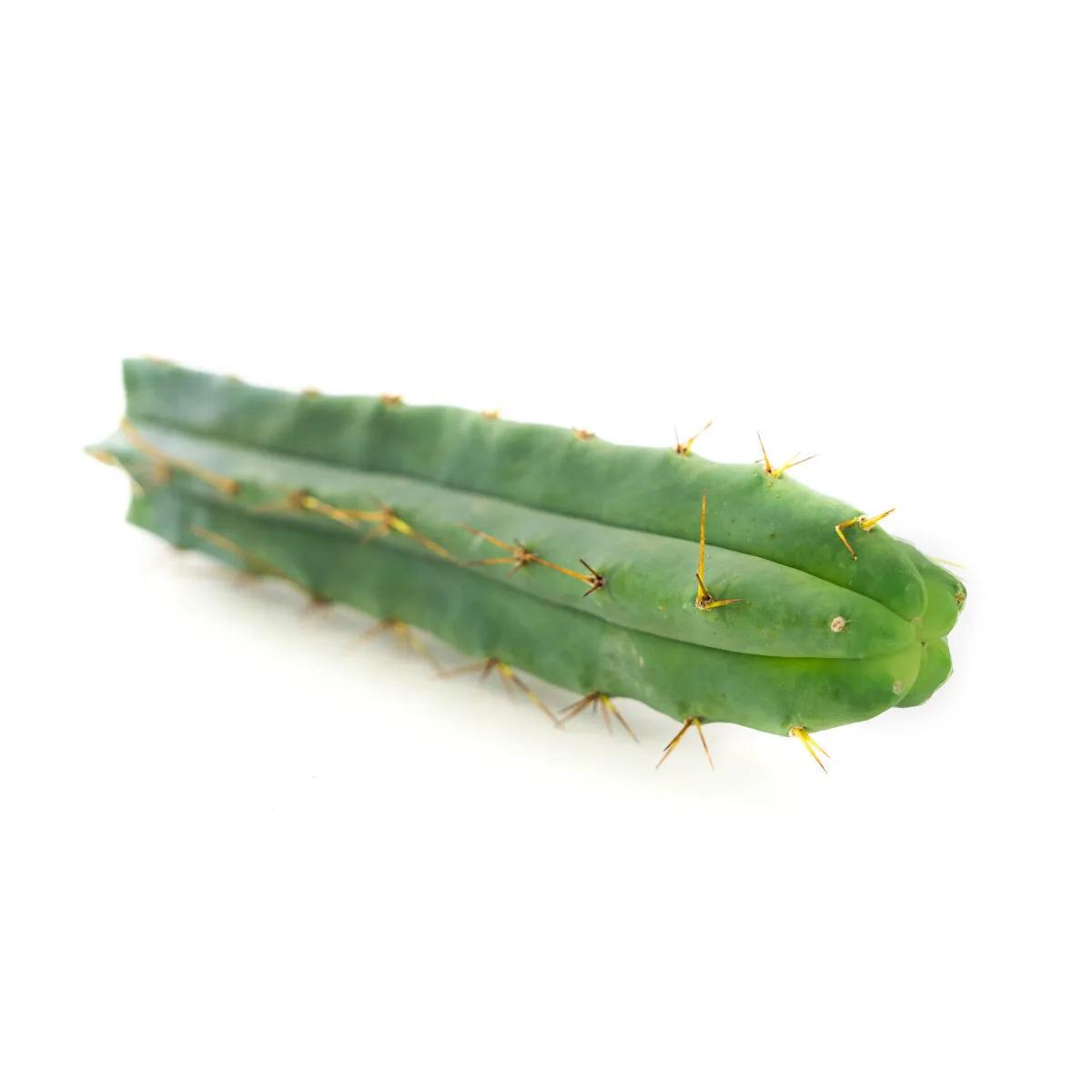
Mescaline cacti
by Azarius
The Bolivian Torch is a fast-growing columnar cactus native to the mountains of Bolivia, where indigenous shamans have used it ceremonially for centuries under the names Achuma and Wachuma. Formerly classified as Trichocereus bridgesii, this light green cactus reaches 2–5 metres tall in its natural habitat and is one of the more vigorous mescaline-containing cacti you can grow at home. We stock fresh cuttings in three sizes — just pot them up and watch them root.
All three cuttings come from healthy, mature mother plants. The difference is how quickly you'll have a substantial cactus on your windowsill — and how much patience you've got.
| Size | Length | SKU | Best for |
|---|---|---|---|
| Small | 10–11 cm | SM0062 | Starting a collection on a budget, or gifting to a fellow cactus nerd |
| Medium | 25–30 cm | SM0063 | The sweet spot — roots quickly, looks impressive within a few months |
| Large | 50–60 cm | SM0064 | Instant presence — a proper specimen piece from day one |
We'd pick the Medium cutting if you're new to columnar cacti. It's large enough to root reliably without being so big that it topples over before anchoring itself. The Large cutting is genuinely impressive — half a metre of cactus straight out of the box — but it does need a heavier pot and a bit more attention during the rooting phase to keep it upright and stable.
Echinopsis lageniformis is a columnar cactus with distinct physical characteristics that set it apart from its better-known cousins like San Pedro.
| Specification | Detail |
|---|---|
| Botanical name | Echinopsis lageniformis (syn. Trichocereus bridgesii) |
| Common names | Bolivian Torch, Achuma, Wachuma |
| Origin | Bolivian Andes, particularly the La Paz region |
| Mature height | 2–5 metres |
| Ribs | 4–8 per column |
| Spine length | Up to 6–7 cm |
| Spines per node | Up to 4 |
| Node margin | 2.5–3 cm |
| Colour | Light green |
| Growth rate | Fast for a columnar cactus |
| Active compound | Mescaline (phenethylamine alkaloid) |
| Soil type | Specialist cactus mix (not standard houseplant soil) |
| Available sizes | Small (10–11 cm), Medium (25–30 cm), Large (50–60 cm) |
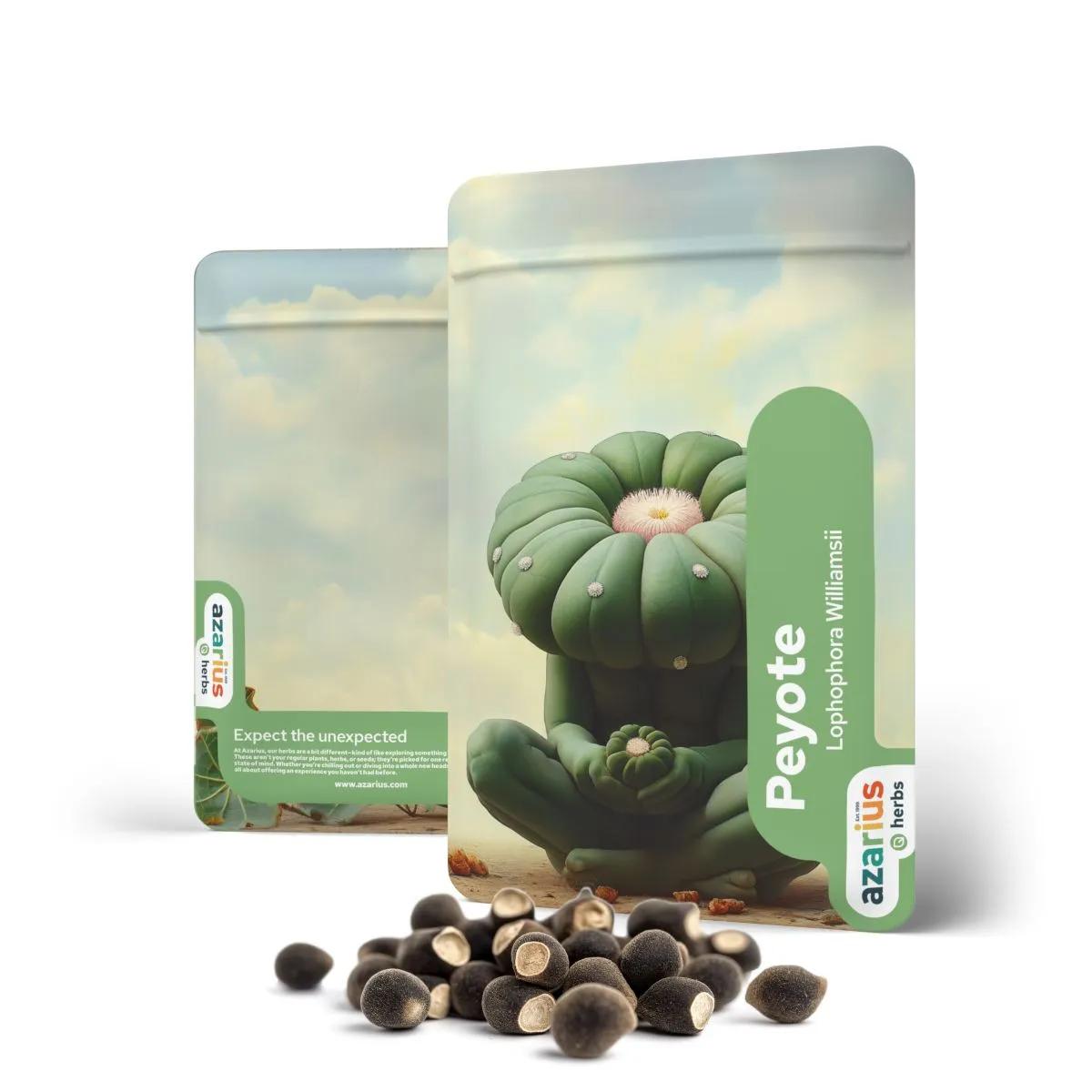
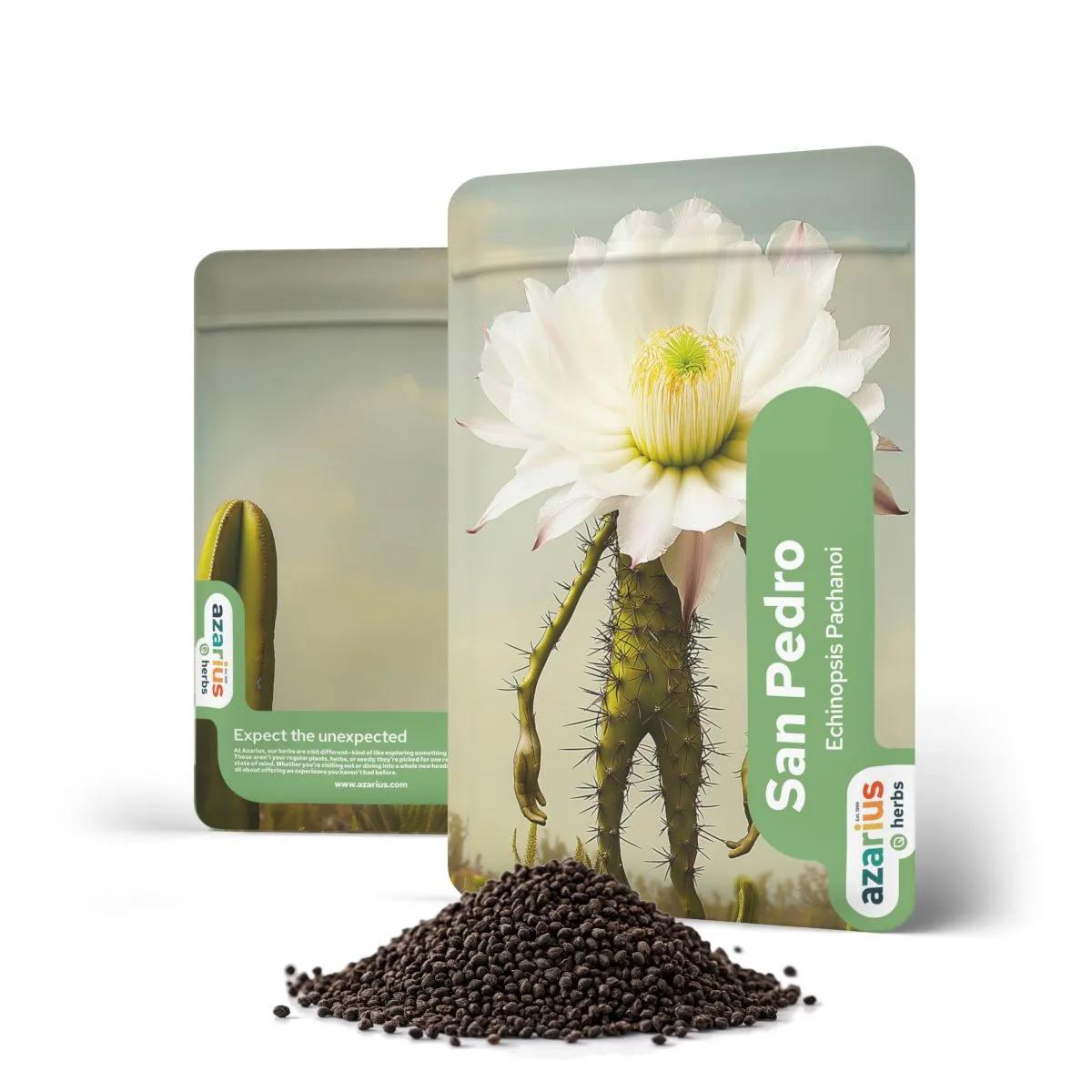
Rooting a Bolivian Torch cutting? You'll need proper cactus soil — standard potting mix holds too much moisture and will rot the base before roots form. Grab a bag of cactus and succulent soil mix to give your cutting the best start. If you're building a mescaline cactus collection, have a look at our San Pedro (Echinopsis pachanoi) and Peruvian Torch (Echinopsis peruviana) cuttings for a proper trio.
The Bolivian Torch sits in an interesting spot among mescaline cacti. San Pedro gets all the press. Peyote has the cultural mystique. But the Bolivian Torch is the one that seasoned growers quietly prefer — it's faster-growing than both, hardier than peyote, and has a distinctive light green colour that looks genuinely striking on a sunny windowsill or balcony.
According to research published in Cellular Uptake of Psychostimulants (PMC, 2021), mescaline is an alkaloid biosynthesised from tyrosine in different cacti, found at concentrations of 0.05–4.7% by dry weight. The Bolivian Torch falls within this range, though exact concentrations vary depending on growing conditions, age, and the specific part of the cactus. This variability is worth keeping in mind — no two cuttings are identical, and potency is never guaranteed.
What we can tell you from handling these cuttings for years: the Bolivian Torch has a waxy, slightly bluish-green skin that feels different from San Pedro's darker, more matte surface. The spines are serious — up to 7 cm long and sharp enough to draw blood if you're careless during repotting. Wear thick gloves. We've learned this the hard way more than once behind the counter.
Echinopsis lageniformis grows wild in the Bolivian Andes, particularly around La Paz at altitudes between 2,000 and 3,000 metres. The indigenous peoples of Bolivia have used this cactus ceremonially for centuries, calling it Achuma or Wachuma — names that predate the Spanish colonial period.
According to a pharmacological review published in PMC (2019), mescaline occurs naturally in several members of the Cactaceae plant family, including the North American peyote cactus (Lophophora williamsii) and the South American torch cacti. The Bolivian Torch's ceremonial use runs parallel to the better-documented San Pedro traditions in Peru and Ecuador, though it has received less academic attention. According to research in Psychedelics (PMC, 2016), peyote and related mescaline-containing cacti have been used in indigenous spiritual practices for thousands of years.
The honest limitation here: the ethnobotanical record for Bolivian Torch specifically is thinner than for San Pedro or peyote. Much of what we know about its traditional use comes from oral histories rather than published anthropological studies. That gap doesn't diminish the cactus — it just means there's less written documentation to point to.
Every cutting we sell comes from a healthy, established mother plant. Rooting a Bolivian Torch is straightforward if you follow a few rules — and the single biggest mistake people make is overwatering.
The three main mescaline cacti each have their own character. Here's how they compare from a grower's perspective — we've had all three on our shelves since the early 2000s.
| Feature | Bolivian Torch | San Pedro | Peruvian Torch |
|---|---|---|---|
| Botanical name | Echinopsis lageniformis | Echinopsis pachanoi | Echinopsis peruviana |
| Origin | Bolivia (La Paz region) | Ecuador, Peru | Peru (western slopes) |
| Typical ribs | 4–8 | 6–8 | 6–8 |
| Spine length | Up to 6–7 cm | Short or absent | 1–4 cm |
| Growth rate | Fast | Fast | Moderate |
| Colour | Light green, slightly bluish | Dark green | Blue-green |
| Mature height | 2–5 m | 3–6 m | 2–4 m |
| Ease of rooting | Easy | Very easy | Moderate |
San Pedro is the most forgiving for beginners — fewer spines, slightly easier to handle, and it roots like a weed. The Bolivian Torch matches it for growth speed but demands a bit more respect during handling because of those long spines. Peruvian Torch is the slowest grower of the three but has a beautiful blue-green colouring that collectors love.
If you're starting your first mescaline cactus collection, the Bolivian Torch Medium cutting is a solid choice alongside a San Pedro of similar size. They grow at comparable rates, so you'll end up with a matched pair within a season or two.
Mescaline is a phenethylamine alkaloid — structurally distinct from tryptamine-based compounds like psilocybin. According to a review in Pharmacokinetic and Pharmacodynamic Aspects of Peyote (PMC, 2019), mescaline occurs naturally in several Cactaceae family members. According to research published in When Good Times Go Bad (PMC, 2017), mescaline is a serotonergic phenethylamine that interacts with serotonin receptors.
According to Therapeutic Potential of Psychedelic Compounds (PMC, 2024), research into the medicinal applications of mescaline-containing cacti has been limited, though the compound can be synthesised and studied independently of its plant sources. Early-stage research is ongoing, but no clinical conclusions have been established for the Bolivian Torch specifically.
Side effects associated with mescaline, according to safety literature reviewed in PMC (2017), include nausea, increased heart rate, and the potential for challenging psychological experiences. These are well-documented across all mescaline-containing cacti, not unique to the Bolivian Torch.
The Bolivian Torch is a brilliant cactus, but it's not without its quirks. Here's what we've seen over the years:
Echinopsis lageniformis (formerly Trichocereus bridgesii) is a fast-growing columnar cactus from the Bolivian Andes. It contains the alkaloid mescaline and has been used ceremonially by indigenous Bolivians for centuries. It typically has 4–8 ribs and can reach 2–5 metres at maturity.
Let the cut end dry and callous for 1–2 weeks, then plant it 3–5 cm deep in well-draining cactus soil. Don't water for the first two weeks. After that, water sparingly using the bottom-watering method — place the pot in a tray of water and let the soil absorb moisture upward.
It's one of the faster columnar cacti. In good conditions — plenty of light, proper soil, warm temperatures — you can expect visible new growth within the first growing season. Growth rate depends heavily on light exposure, pot size, and watering discipline.
Both are mescaline-containing columnar cacti, but Bolivian Torch (Echinopsis lageniformis) has longer spines — up to 6–7 cm — and a lighter green colour. San Pedro (Echinopsis pachanoi) has shorter or absent spines and is slightly easier to handle. Growth rates are comparable.
Standard houseplant soil is not suitable — it retains too much moisture. Use a specialist cactus and succulent mix with good drainage. A gritty blend of mineral substrate, perlite, and coarse sand works well. The nutrient profile for cacti is completely different from tropical houseplants.
Roughly every 2–3 weeks during the growing season (spring and summer), and barely at all during winter dormancy. Overwatering is the most common cause of cactus death. When in doubt, skip the watering — the Bolivian Torch is a desert plant and tolerates drought far better than soggy roots.
Yes, as long as it gets plenty of bright light. A south-facing windowsill is the best spot in most European homes. The cactus will grow more slowly indoors than in full outdoor sun, but it will still thrive. Bring outdoor plants inside when temperatures drop below 5°C.
Traditional preparation involves removing the spines and outer skin, then processing the green flesh beneath the skin — this is where the alkaloid concentration is highest. Detailed preparation methods vary, and we'd recommend thorough research into traditional techniques before attempting anything.
Last updated: April 2026
Medical disclaimer. This content is for informational purposes only and does not constitute medical advice. Consult a qualified healthcare provider before use of any substance.