Mescaline cacti
by Unbranded
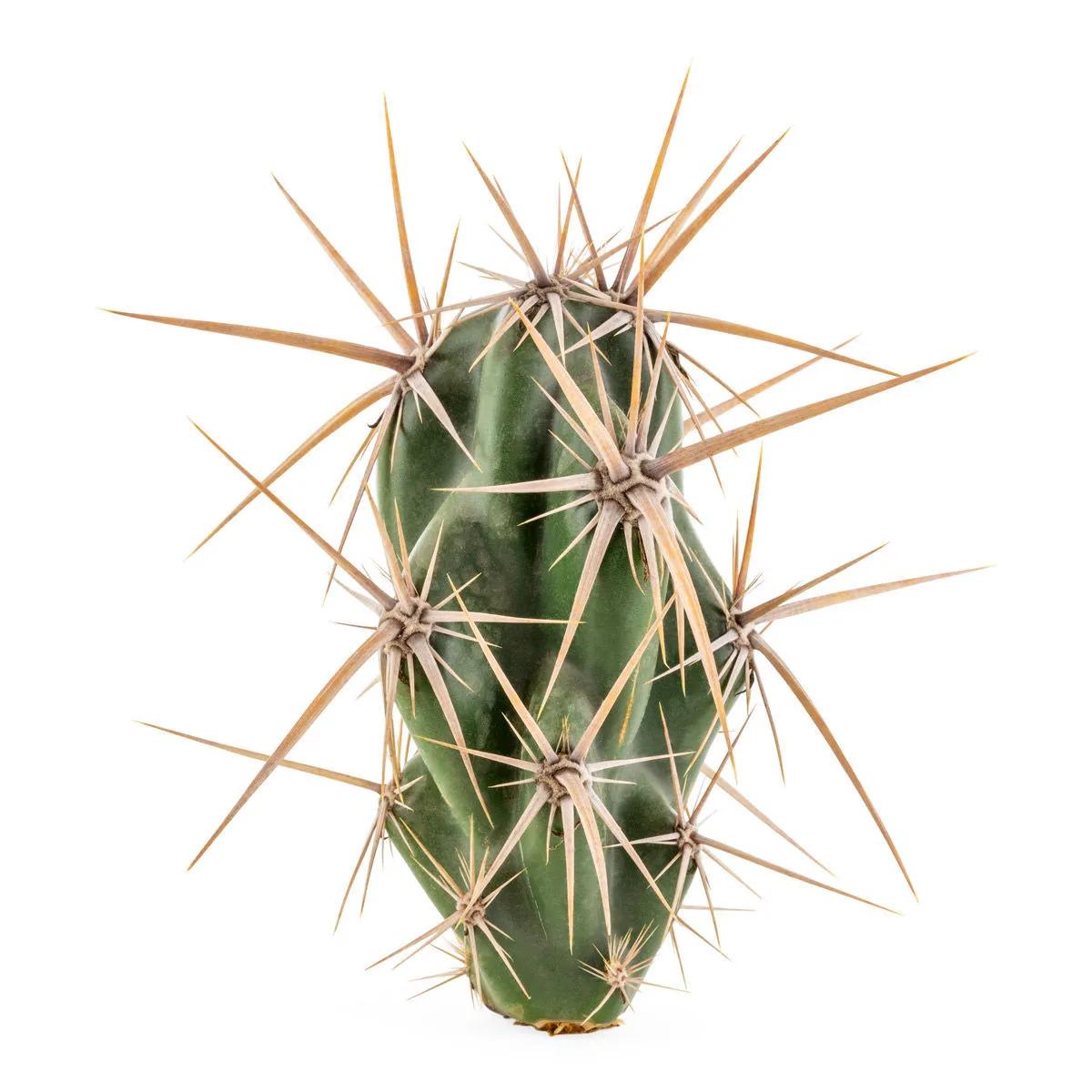
Opuntia invicta is a low-growing, mat-forming cactus native to Baja California, Mexico, prized for its club-shaped tubercles, woolly white areoles, and thick spines that shift from vivid pink-purple-red through to grey and black as they age. This is a collector's cactus — visually dramatic, compact enough for a windowsill or rockery, and tough as old boots once established. Our cutting measures 10–11 cm and arrives ready to root.
One fresh Opuntia invicta cutting, 10–11 cm in length. The cutting needs to callous over for 7–14 days before planting. No rooted specimen — you're growing this one from scratch, which is half the fun.
| Specification | Detail |
|---|---|
| Botanical name | Opuntia invicta (syn. Grusonia invicta) |
| Family | Cactaceae |
| Origin | Baja California, Mexico |
| Growth habit | Low, mat-forming |
| Maximum height | ~50 cm |
| Maximum spread | Up to 200 cm |
| Flower colour | Yellow with reddish acicular spines at centre |
| Flower size | ~5 cm diameter |
| Flowering period | April–May |
| Spine colour (young) | Pink, purple, red |
| Spine colour (mature) | Grey to black |
| Cutting size | 10–11 cm |
| Mescaline content | None |
| SKU | SM0732 |
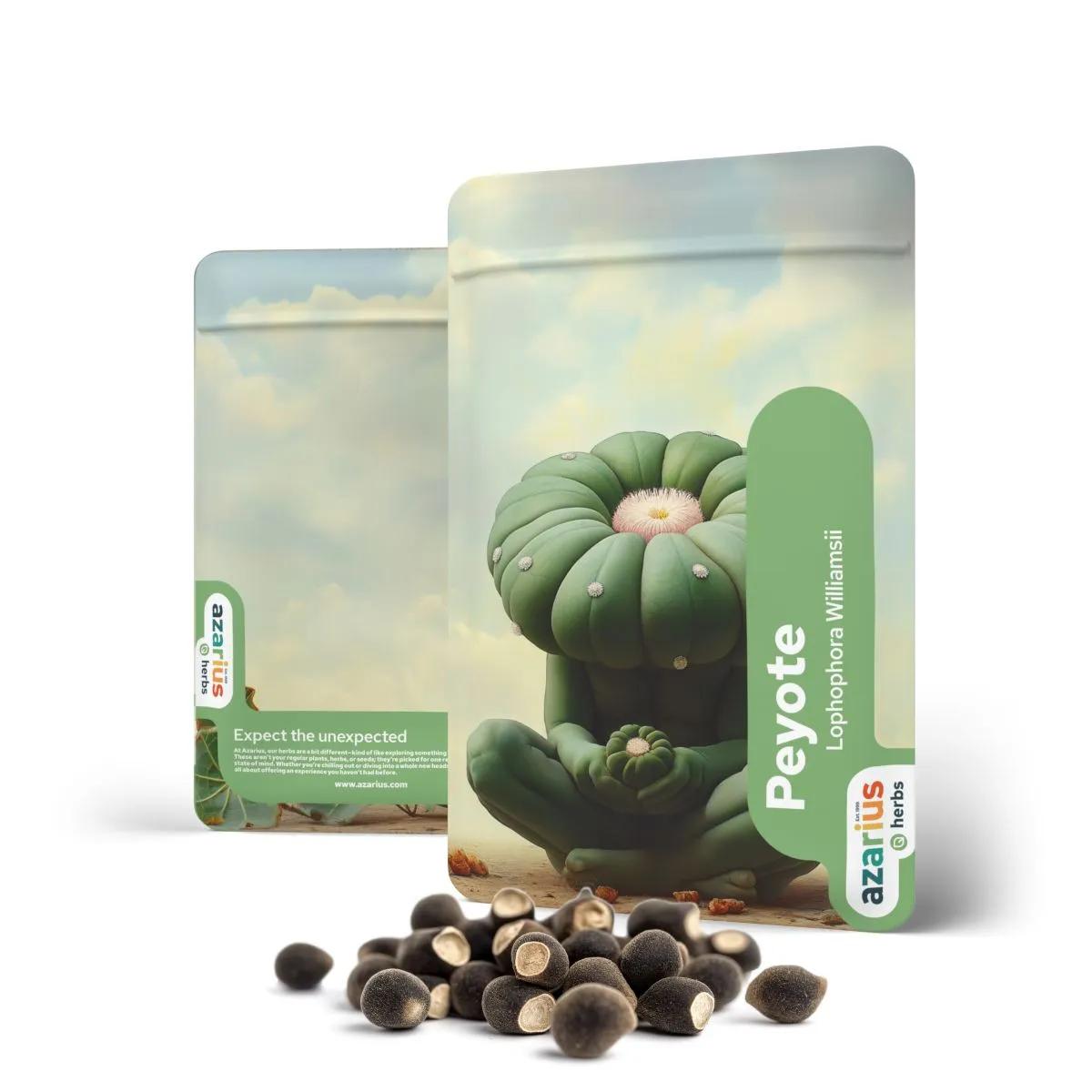
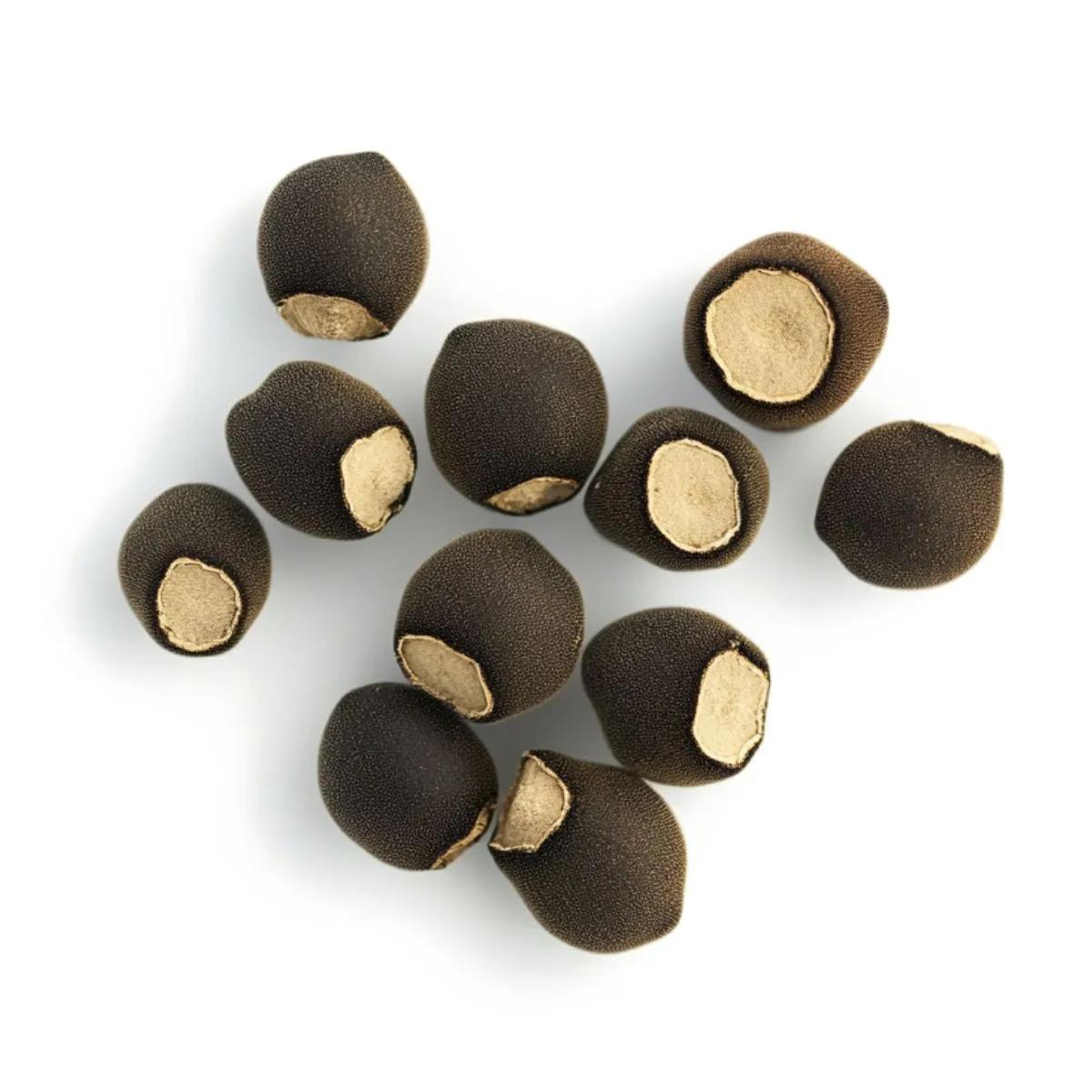
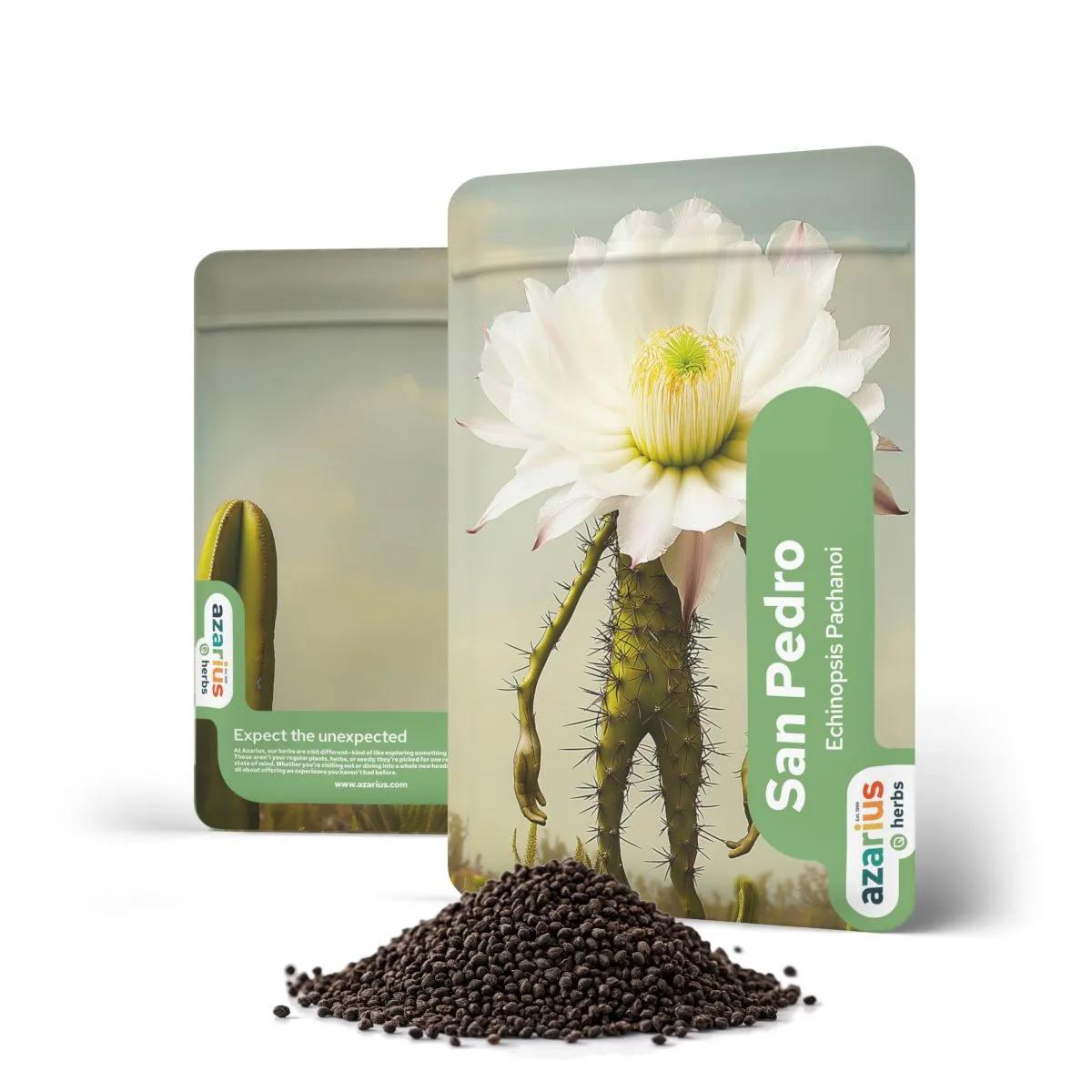
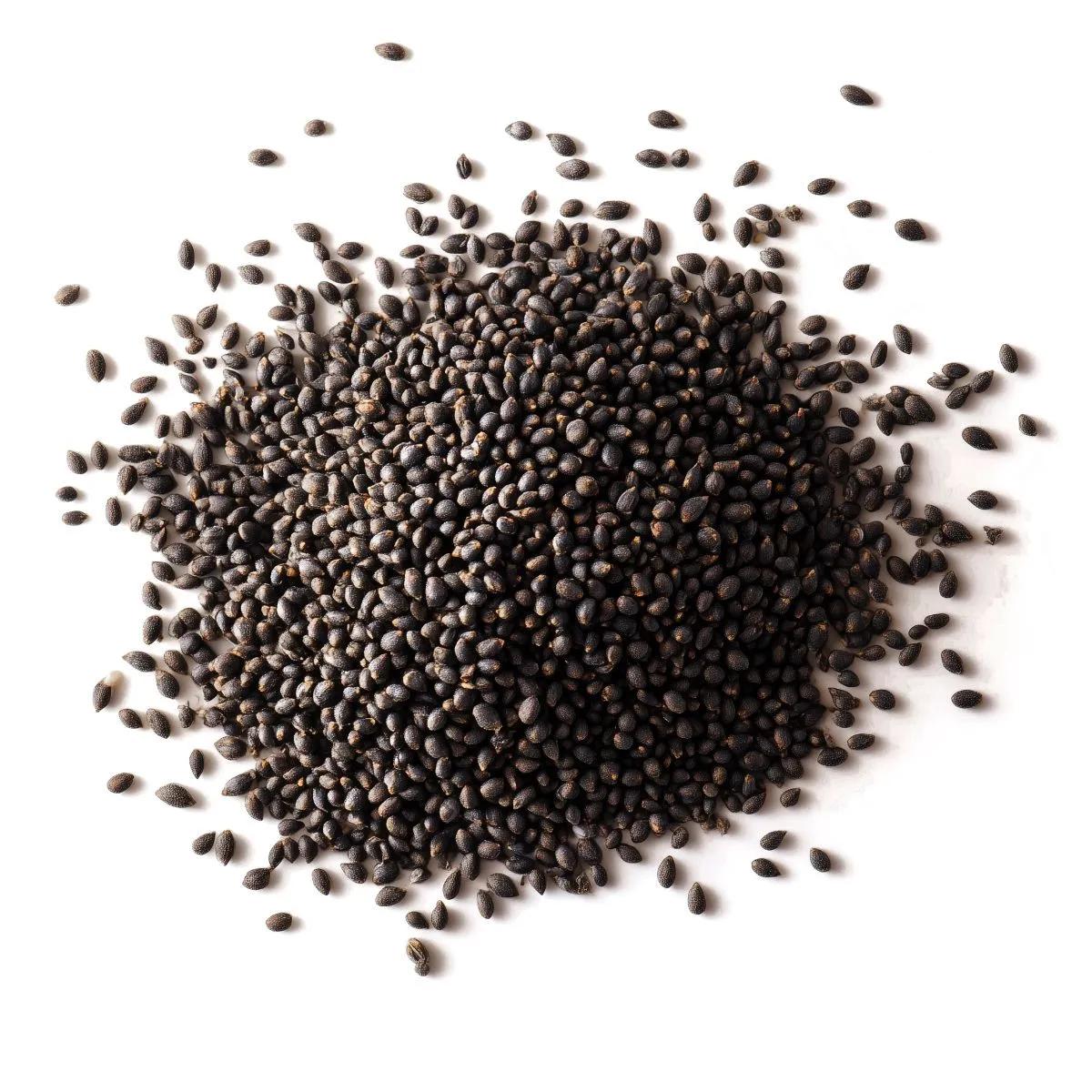
Building a cactus collection? Pair your Opuntia invicta with a San Pedro cutting or a Peyote seedling for a trio of distinct growth forms — mat-forming, columnar, and globular. A bag of perlite and some cactus potting mix will sort out the substrate for all three.
Most cacti grow upward. Opuntia invicta grows outward, forming dense mats that can eventually spread to 200 cm across. That horizontal habit gives it a completely different silhouette from the columnar San Pedro or the squat little Peyote — and it makes it a brilliant centrepiece for a shallow terracotta tray or a rockery arrangement.
The real draw, though, is the spines. When they first emerge, they're a deep reddish-purple — genuinely striking, not just "slightly tinted." Over time they fade through grey to near-black, so a mature plant carries several generations of spine colour at once. Combined with the intense dark green stems and those big, woolly white areoles, you get a cactus that looks almost hand-painted. We've had customers come back months later just to tell us how much the colour shift surprised them.
Then there are the flowers. Between April and May, Opuntia invicta produces bright yellow blossoms roughly 5 cm across, each one sprouting tiny reddish acicular spines from the centre. It's a short window, but when they open, the contrast against those dark stems is genuinely stunning.
One honest limitation: this is a slow grower. Don't expect it to fill a 200 cm tray within a year — or even five. Opuntia invicta rewards patience. It also has seriously aggressive spines. Thick gloves aren't optional when handling this one; those spines will go straight through a thin garden glove without slowing down. We've learned that the hard way more than once behind the counter.
The Opuntia genus is massive — over 150 recognised species — and most of them look like the classic flat-padded prickly pear you see in cartoons. Opuntia invicta breaks that mould completely. Instead of flat pads, it produces cylindrical, club-shaped tubercles covered in those oversized woolly areoles. The spine density and colour range are unusual too: most Opuntia species have relatively thin, pale spines, while invicta's are thick, prominent, and cycle through pink, purple, red, grey, and black.
Compared to something like Opuntia microdasys (the bunny ears cactus), Opuntia invicta is a different beast entirely. Microdasys has tiny glochids that get under your skin and irritate for days. Invicta has proper spines — you see them, you respect them, and you wear gloves. We'd actually call invicta the more honest cactus: it looks dangerous, and it is. No hidden surprises.
| Feature | Opuntia invicta | Opuntia microdasys |
|---|---|---|
| Growth habit | Mat-forming, up to 200 cm wide | Upright shrub, up to 60 cm tall |
| Stem shape | Cylindrical, club-shaped tubercles | Flat, oval pads |
| Spines | Long, thick, colour-shifting | Tiny glochids (nearly invisible) |
| Flowers | Yellow, 5 cm, April–May | Yellow, 4–5 cm, summer |
| Max height | ~50 cm | ~60 cm |
| Handling difficulty | Thick gloves required | Glochids embed in skin — arguably worse |
We've been stocking Opuntia invicta for a while now, and the customers who buy it tend to be the same ones who already have a few San Pedro columns and a Peyote or two on the shelf. It's a collector's piece — not your first cactus, but a brilliant second or third. The spine colour is what sells it in person; photos genuinely don't do it justice. When you hold the cutting and tilt it in the light, those young purple-red spines have an almost metallic sheen to them.
One thing we always mention: don't overwater. We get more questions about mushy, rotting Opuntia invicta than any other issue. If you're unsure whether to water, don't. This species evolved in one of the driest regions on earth. It can handle drought. It cannot handle wet feet.
No. Unlike some other cacti in the Opuntia genus or related genera, Opuntia invicta does not contain mescaline. It's grown purely as an ornamental collector's cactus.
After callousing for 7–14 days, most cuttings develop roots within 2–4 weeks once planted in dry, well-draining soil. You'll know it's rooted when it resists a gentle tug.
Only in summer. It handles temperatures down to about 5°C but won't survive frost or prolonged damp. Bring it indoors from October to April, or keep it in a greenhouse year-round.
Every 10–14 days in summer, only when the soil is bone dry. In winter, once a month at most. Overwatering is the number one killer — when in doubt, skip the watering.
Mature plants reach about 50 cm tall and can spread up to 200 cm wide, but this takes years. From a 10–11 cm cutting, expect slow, steady growth — a few centimetres per year under good conditions.
That's completely normal. Young spines emerge in shades of pink, purple, and red, then gradually fade to grey and black as they age. A healthy plant displays multiple spine colours at once.
A 50/50 blend of cactus potting mix and perlite gives the sharp drainage this species needs. Avoid standard potting soil — it holds too much moisture and promotes root rot.
Last updated: April 2026
Medical disclaimer. This content is for informational purposes only and does not constitute medical advice. Consult a qualified healthcare provider before use of any substance.