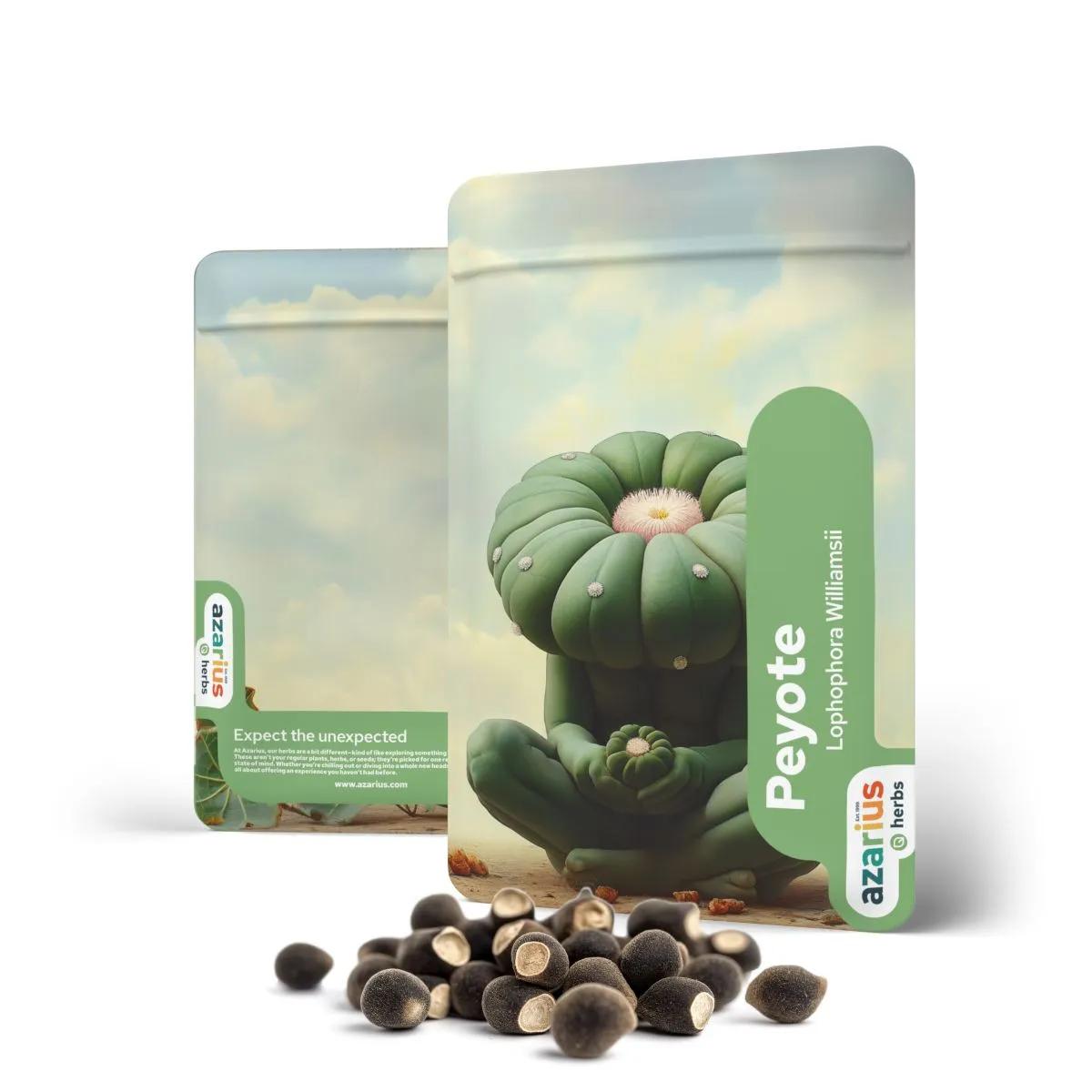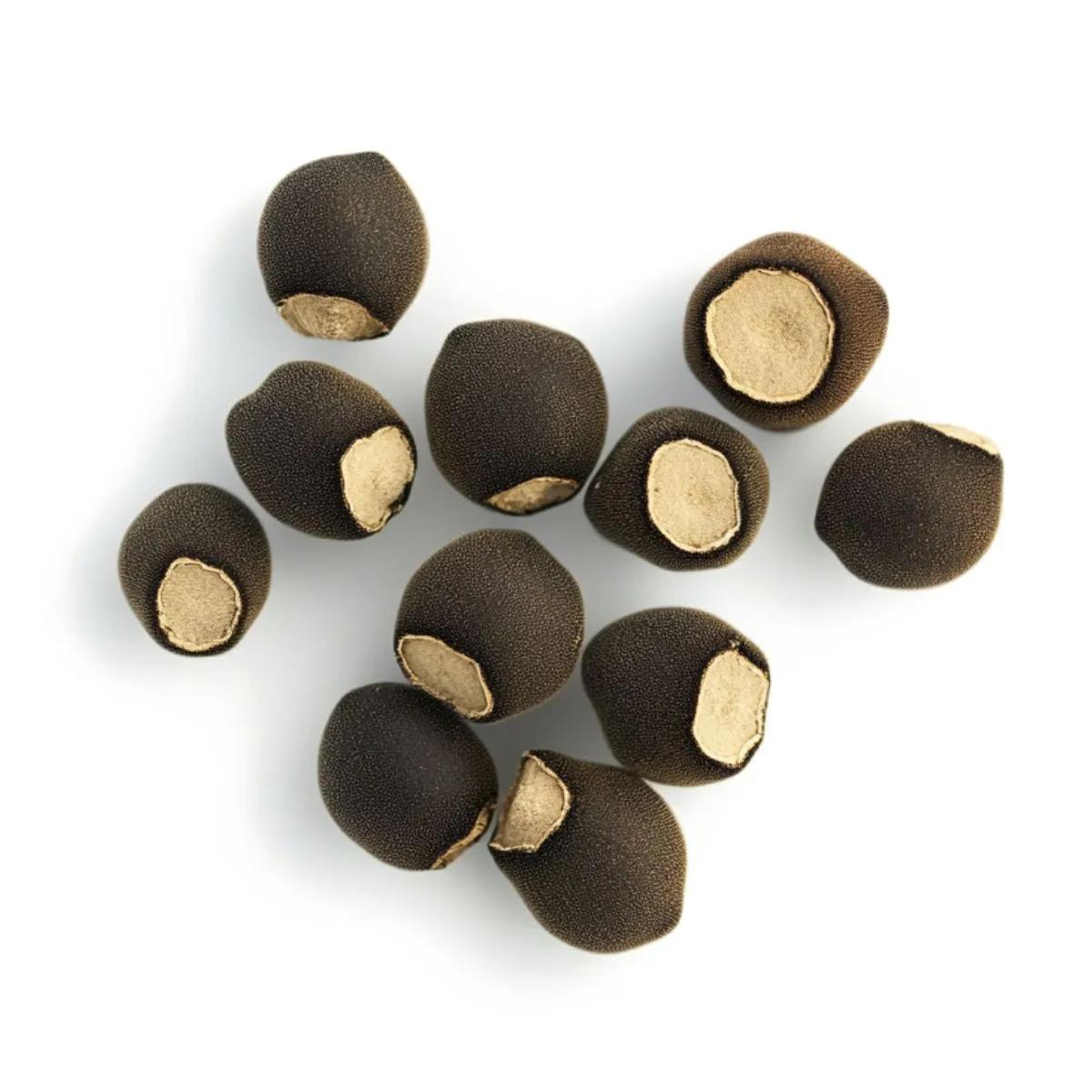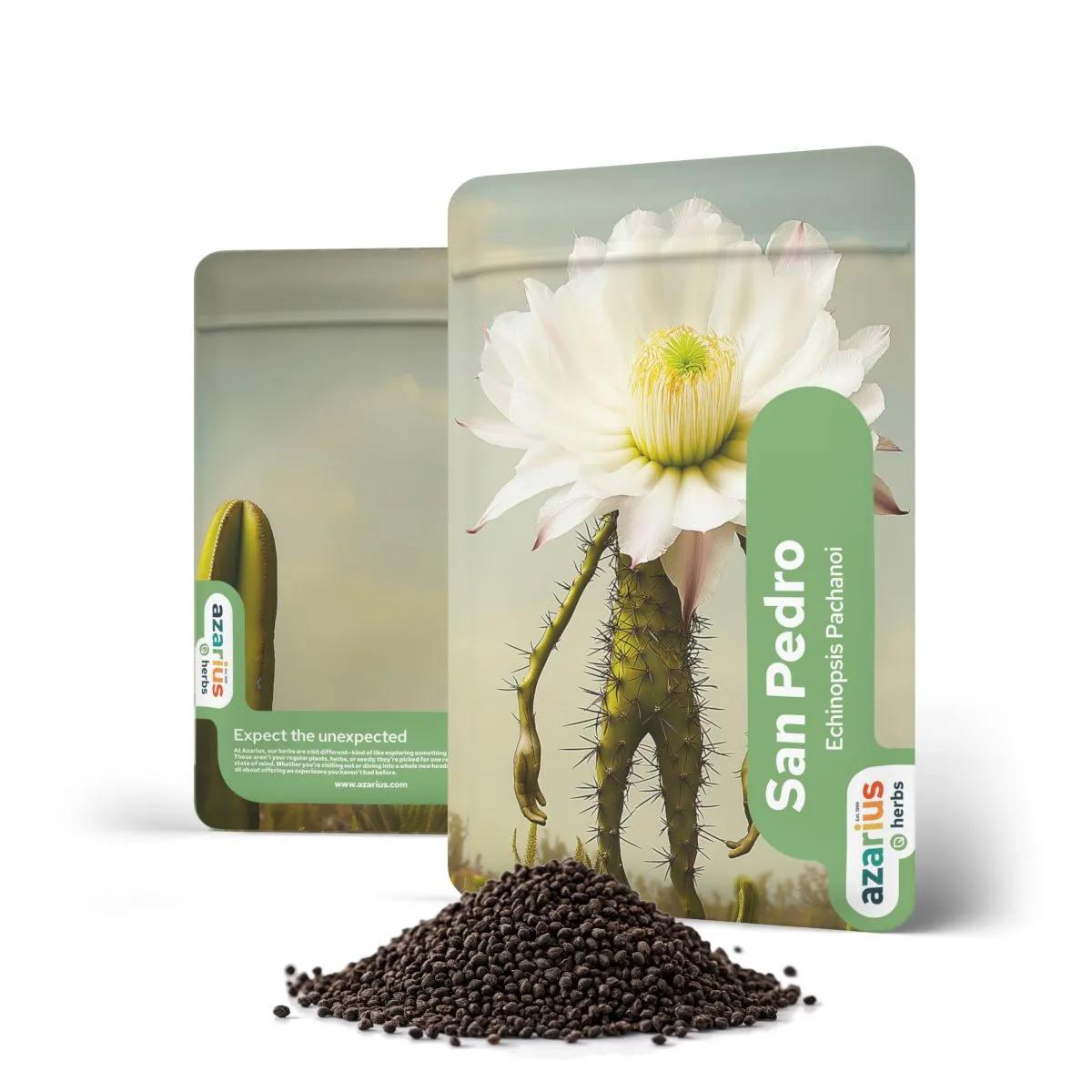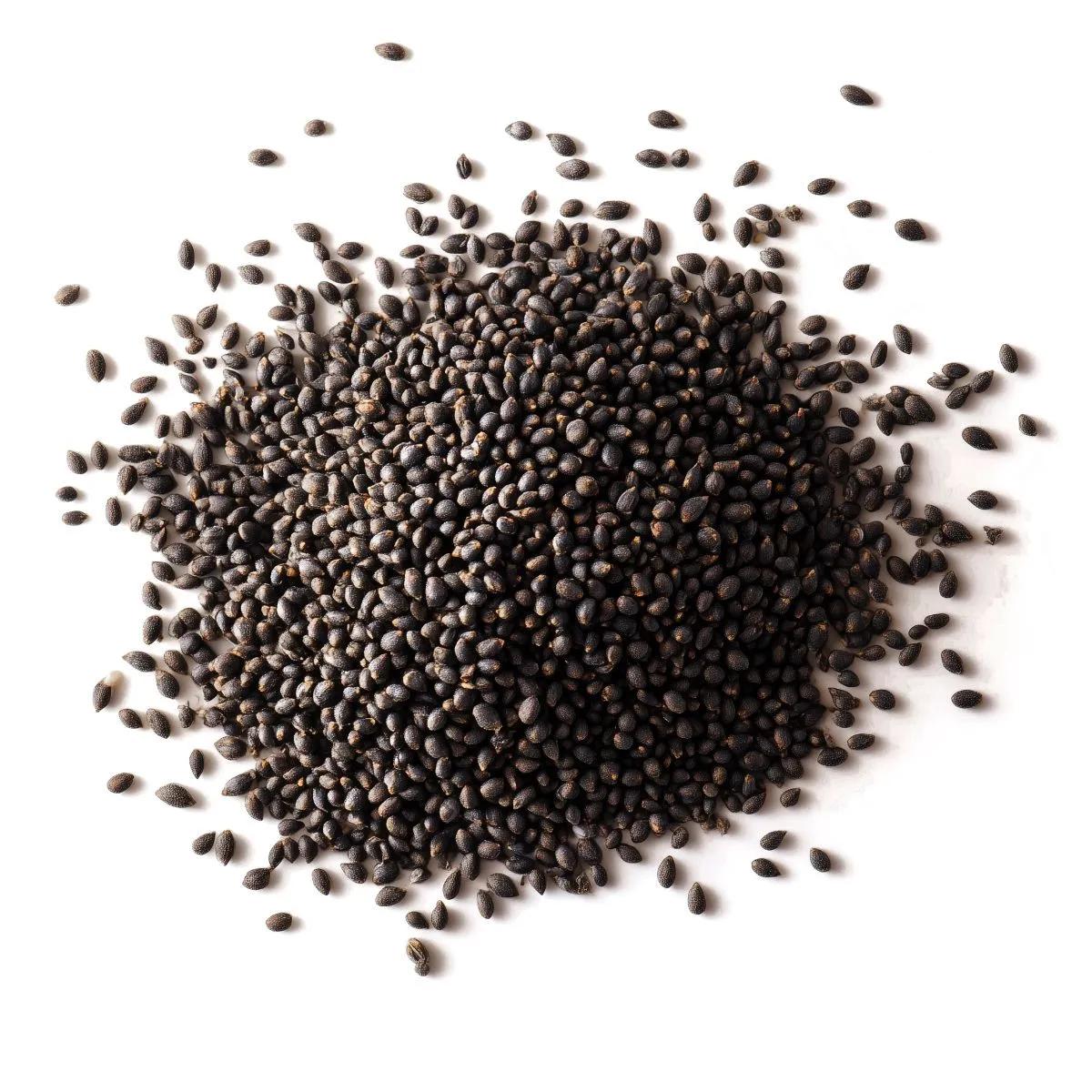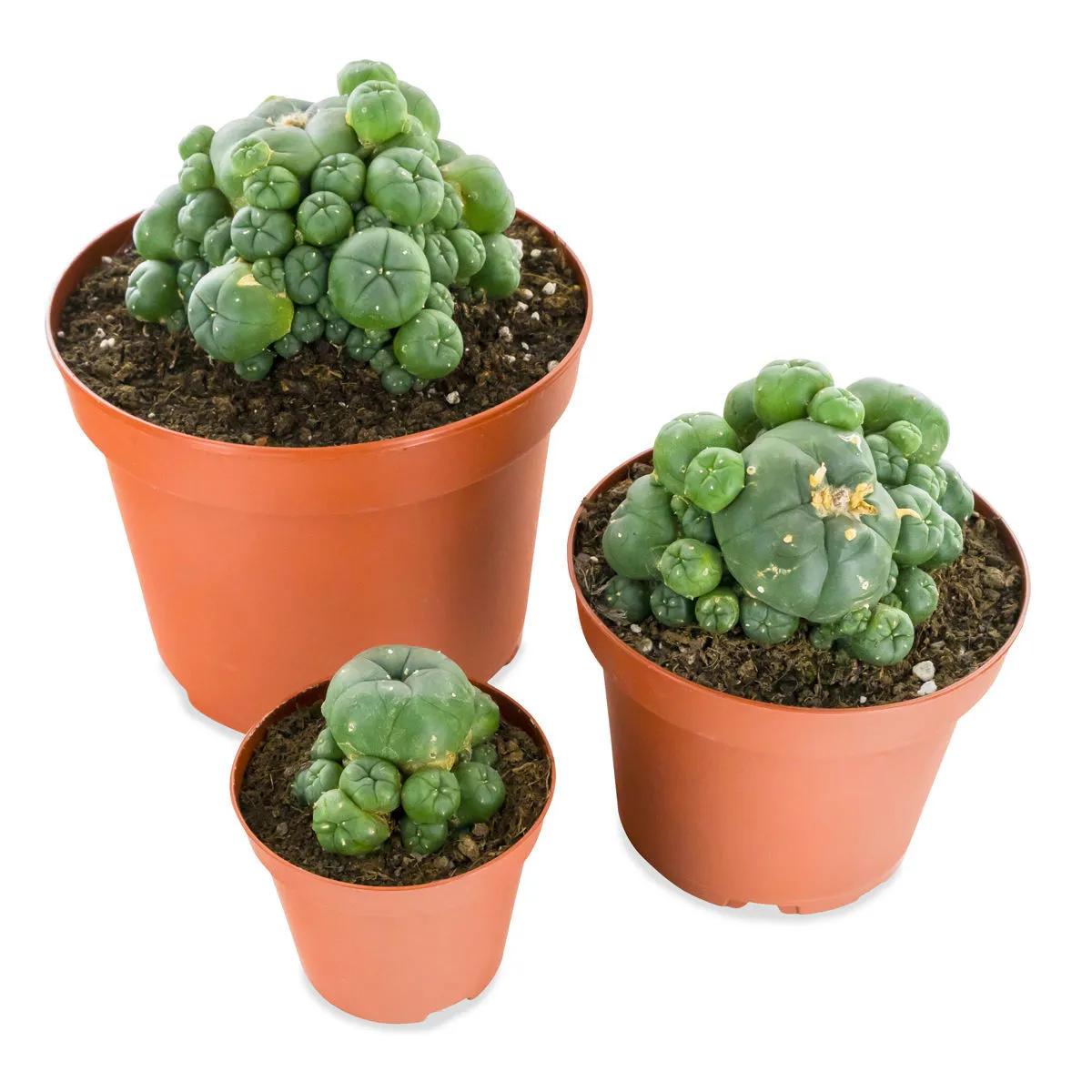
Mescaline cacti
by Unbranded
We'll only email you about this product — no marketing.
Peyote with Pups is a rare multi-headed form of Lophophora williamsii that grows several smaller offsets — called pups — around the main button. Where a standard peyote produces a single slow-growing crown, this variety clusters, making it visually striking and far harder to source. Originally native to the Chihuahuan Desert spanning northern Mexico and southern Texas, peyote has been central to indigenous ceremony for thousands of years. If you collect rare succulents and cacti, this is the specimen that stops visitors mid-sentence.
We carry five diameter ranges, measured across the widest point of the main button including pups. Smaller specimens are younger and will take longer to fill out, but they're easier to acclimatise to a new environment. Larger ones are more established and visually impressive straight out of the box — though they cost more for good reason, given the years of patient cultivation behind them.
| Variant | Diameter | Best For |
|---|---|---|
| SM0087 | 5–6 cm | Starting a collection without a large outlay |
| SM0088 | 8–9 cm | A solid young specimen with visible pups forming |
| SM0089 | 10–11 cm | Mid-range — good balance of size and value |
| SM0090 | 12–14 cm | A mature, established cluster with well-defined offsets |
| SM0091 | 15–17 cm | Statement piece — years of growth already done for you |
If you're buying your first peyote, we'd pick the 8–9 cm. It's large enough that you can actually see the pup formation, but forgiving enough that a minor watering mistake won't be catastrophic. The 15–17 cm is genuinely impressive — a cactus that size has been growing for the better part of a decade or more.
Peyote (Lophophora williamsii) is a small, spineless cactus that sits almost flush with the desert floor, with the bulk of the plant hidden underground as a thick taproot. Natively called Peyotl, it first hailed from the arid regions of northern Mexico and has been documented in indigenous ceremonial use for at least 5,700 years based on archaeological finds. The Spanish Conquistadors encountered peyote during the colonisation of Mexico and, viewing it as part of the worship of what they called false gods — peyote itself was considered to be the living deity El Mescalito — they drove it from mainstream recognition. That suppression lasted centuries.
The re-emergence of peyote in broader awareness is largely tied to the establishment of the Native American Church in the 1890s (formally incorporated in 1918), which integrated peyote ceremony into its practice. This sparked a niche but passionate collector interest that continues today. The cactus contains mescaline as its primary alkaloid, alongside smaller amounts of hordenine, pellotine, and other phenethylamine compounds — over 60 alkaloids have been identified in total.
| Specification | Detail |
|---|---|
| Species | Lophophora williamsii |
| Common Name | Peyote with Pups |
| Native Region | Chihuahuan Desert (Mexico / southern Texas) |
| Growth Habit | Low-profile, clustering — main button with multiple offsets |
| Growth Rate | Extremely slow — up to 3 years from seed to maturity |
| Root Type | Large taproot (majority of biomass underground) |
| Primary Alkaloid | Mescaline (3,4,5-trimethoxyphenethylamine) |
| Total Known Alkaloids | 60+ |
| Conservation Status | Endangered in the wild due to overharvesting and habitat loss |
| Available Sizes | 5–6 cm, 8–9 cm, 10–11 cm, 12–14 cm, 15–17 cm |
Building a mescaline cactus collection? Our San Pedro (Echinopsis pachanoi) and Peruvian Torch (Echinopsis peruviana) grow considerably faster than peyote and make excellent companion specimens. A San Pedro cutting can put on 30 cm of growth in a single season — a nice counterpoint to the glacial pace of Lophophora.
Standard peyote is already uncommon in cultivation. The "with pups" form is rarer still. Most Lophophora williamsii grow as a solitary button — one crown, one taproot, sitting quietly in the soil for years. The clustering form produces multiple offsets around the mother plant, creating a miniature colony that looks like a handful of green-grey buttons pressed together. It's the difference between a single coin and a small pile of them.
The honest limitation? Speed. Or rather, the complete absence of it. Peyote takes up to 3 years to reach maturity from seed, and even then "mature" means a button perhaps 3–4 cm across. The larger specimens we sell — the 12–14 cm and 15–17 cm variants — represent many years of careful growing. That's not a downside if you understand what you're buying: a living thing that rewards patience. But if you want a cactus that visibly changes week to week, get a San Pedro instead. Peyote moves on geological time.
There's also the conservation angle. Overharvesting in the wild, combined with expanding ranching operations converting desert habitat to grazing land, has pushed wild peyote populations to endangered status. Every cultivated specimen that stays alive in someone's collection is a small act of preservation. We've been selling these since the early days of the shop, and the customers who buy them tend to be the kind of people who name their plants. That's not a criticism — it's an endorsement.
Peyote is a desert cactus, and it wants to be treated like one. The number one killer we see? Overwatering. The taproot stores moisture for months of drought — if you water it on a houseplant schedule, it will rot from the inside out before you notice anything wrong on the surface.
The pups — small offsets budding from the base or sides of the main button — can eventually be separated and grown as individual plants. This makes the clustering form self-propagating in a way that solitary peyote isn't. Each pup develops its own root system over time, and once it reaches roughly 2 cm in diameter, it can be carefully detached with a clean blade, left to callous for a week, and planted in its own pot.
That said, most collectors leave them attached. A mature peyote with 5–8 pups clustered around the mother plant is genuinely beautiful in a quiet, understated way — like a family of smooth river stones that happen to be alive. The texture is somewhere between firm rubber and a ripe fig: yielding slightly under gentle pressure, with a waxy, almost chalky surface. The colour ranges from blue-green to grey-green depending on light exposure, with the characteristic rib pattern creating shallow furrows across each button.
Peyote's primary active compound is mescaline (3,4,5-trimethoxyphenethylamine), a phenethylamine that acts on serotonin receptors, particularly 5-HT2A. According to a review in Clinical Applications of Hallucinogens (PMC5001686), clinical research investigating mescaline as a potential therapeutic aid has been lacking, though research examining the indigenous use of peyote has provided ethnographic data spanning centuries. Recreational doses of mescaline typically range from 300 to 500 mg orally, according to ScienceDirect's pharmacological overview.
According to WebMD, peyote is considered unsafe for ingestion, as it can cause a range of adverse effects. A review in Psychedelics (PMC4813425) noted that most exposures were associated with mild to moderate clinical effects, most commonly including tachycardia and central nervous system symptoms. According to research published in Pharmacokinetic and Pharmacodynamic Aspects of Peyote (PMC6864602), the pharmacological profile of mescaline includes interactions with multiple receptor systems beyond serotonin.
Peyote should not be combined with SSRIs or MAOIs — psychedelics may interact with these medications, and the combination can produce unpredictable and potentially dangerous effects. Anyone with a history of heart conditions or mental health concerns should exercise particular caution.
Extremely slowly. Peyote takes up to 3 years to go from seed to a mature button, and even established plants may only add a few millimetres of diameter per year. The pups grow at a similar pace. This is a cactus measured in decades, not seasons.
Yes, once a pup reaches about 2 cm in diameter. Use a clean, sharp blade, let the cut surface dry and callous for 5–7 days, then plant in dry mineral substrate. Wait at least a week before the first watering. Smaller pups have lower survival rates, so patience pays off.
A minimum 70% inorganic mix — perlite, pumice, coarse sand, or fine gravel — with no more than 30% organic matter. Standard cactus compost from garden centres still holds too much water for peyote. The taproot needs to dry out completely between waterings.
Two main factors: overharvesting and habitat loss from expanding cattle ranching operations in the Chihuahuan Desert. The extremely slow growth rate — up to 3 years to maturity — means wild populations can't recover quickly. Cultivated specimens like these help reduce pressure on wild stocks.
During the growing season (spring to early autumn), water thoroughly then let the soil dry completely — roughly every 2–4 weeks. During winter dormancy, don't water at all. Overwatering is the single most common cause of peyote death in cultivation.
Bright light, yes. Full direct sun can cause sunburn if the plant isn't acclimated gradually. A south-facing windowsill works well. Introduce direct sun exposure over 2–3 weeks to avoid scarring the epidermis.
Both contain mescaline, but they're very different plants. San Pedro (Echinopsis pachanoi) is a tall columnar cactus that grows quickly — up to 30 cm per year. Peyote is a tiny button cactus that barely breaks the soil surface and takes years to reach a few centimetres. For collectors, peyote is the rarer, more challenging specimen.
For a first peyote, the 8–9 cm is our recommendation — visible pup formation, established enough to handle minor care mistakes. The 15–17 cm is a statement piece that represents a decade or more of growth, suited to serious collectors who want an immediately impressive specimen.
Last updated: April 2026
Medical disclaimer. This content is for informational purposes only and does not constitute medical advice. Consult a qualified healthcare provider before use of any substance.