Mescaline cacti
by Unbranded
Super Pedro 4 Ribs is a rare variant of Echinopsis scopulicola, a fast-growing columnar cactus native to the Andes mountains of South America. While most Super Pedro specimens produce 5–9 ribs, the 4-ribbed form is believed to occur only in aged, mature plants — making this 25–30cm cutting something most collectors have only ever seen in photographs. If you've been hunting for one, you already know how hard these are to track down.
Most Echinopsis scopulicola cacti you'll encounter have between 5 and 9 ribs. The 4-ribbed form is genuinely uncommon — it's thought to appear only in old, well-established plants that have had decades to develop this particular growth pattern. That's not marketing fluff. We've stocked Super Pedro cuttings for years, and the 4-rib variety comes around rarely. These cuttings are sourced from unique, healthy aged specimens specifically selected for this trait.
The plant itself is a proper Andean native, growing naturally at elevations between 2,000 and 3,000 metres above sea level across Argentina, Bolivia, Colombia, Chile, Ecuador, and Peru. At those altitudes, it deals with intense UV, sharp temperature swings, and thin soil — which partly explains why it's such a resilient grower once established. The 4-ribbed geometry gives each cutting a distinctive, almost sculptural cross-section that looks nothing like your typical columnar cactus. Pick it up and you'll notice the angular, chunky profile immediately — it feels more like a succulent obelisk than a round cactus.
| Specification | Detail |
|---|---|
| Species | Echinopsis scopulicola (syn. Trichocereus scopulicola) |
| Common Name | Super Pedro |
| Rib Count | 4 (rare variant) |
| Cutting Length | 25–30 cm |
| Native Altitude | 2,000–3,000 m above sea level |
| Native Range | Argentina, Bolivia, Colombia, Chile, Ecuador, Peru |
| Growth Rate | Fast for a columnar cactus |
| Flowers | Large, white, nocturnal — lasting 2–3 days |
| SKU | SM0389 |
Echinopsis scopulicola contains a range of alkaloids, the most well-known being mescaline. According to a review published in PMC, phytochemical investigations of the Echinopsis genus have revealed eighty-five distinct compounds across related species (PMC, 2024). Several species of Echinopsis have been used for diagnostic and therapeutic purposes by indigenous practitioners in the Andes for over 2,000 years — a tradition that long predates Western scientific interest in the genus.
Mescaline itself is characterised by vivid visual patterns, altered perception of time and self, and what many describe as a deeply reflective or spiritual state. Physical side effects are well-documented: nausea, vomiting, and diarrhoea are common during the onset phase. If you're growing this cactus with any interest beyond the ornamental, knowing about the purging stage matters — it's not a sign something has gone wrong, it's a predictable part of the experience.
One honest note: the alkaloid concentration in any individual cutting varies depending on age, growing conditions, and genetics. A 25–30cm cutting is a starting point for cultivation, not a ready-to-use product. You're growing a living specimen here.
We've carried Echinopsis scopulicola for a long time now, and the standard 5–9 rib cuttings are solid plants. But the 4-ribbed variant is a different animal in terms of collectibility. Most Echinopsis growers go their entire hobby without owning one. The 4-rib form isn't something you can reliably produce from seed — it emerges from specific aged mother plants, and those mother plants aren't common.
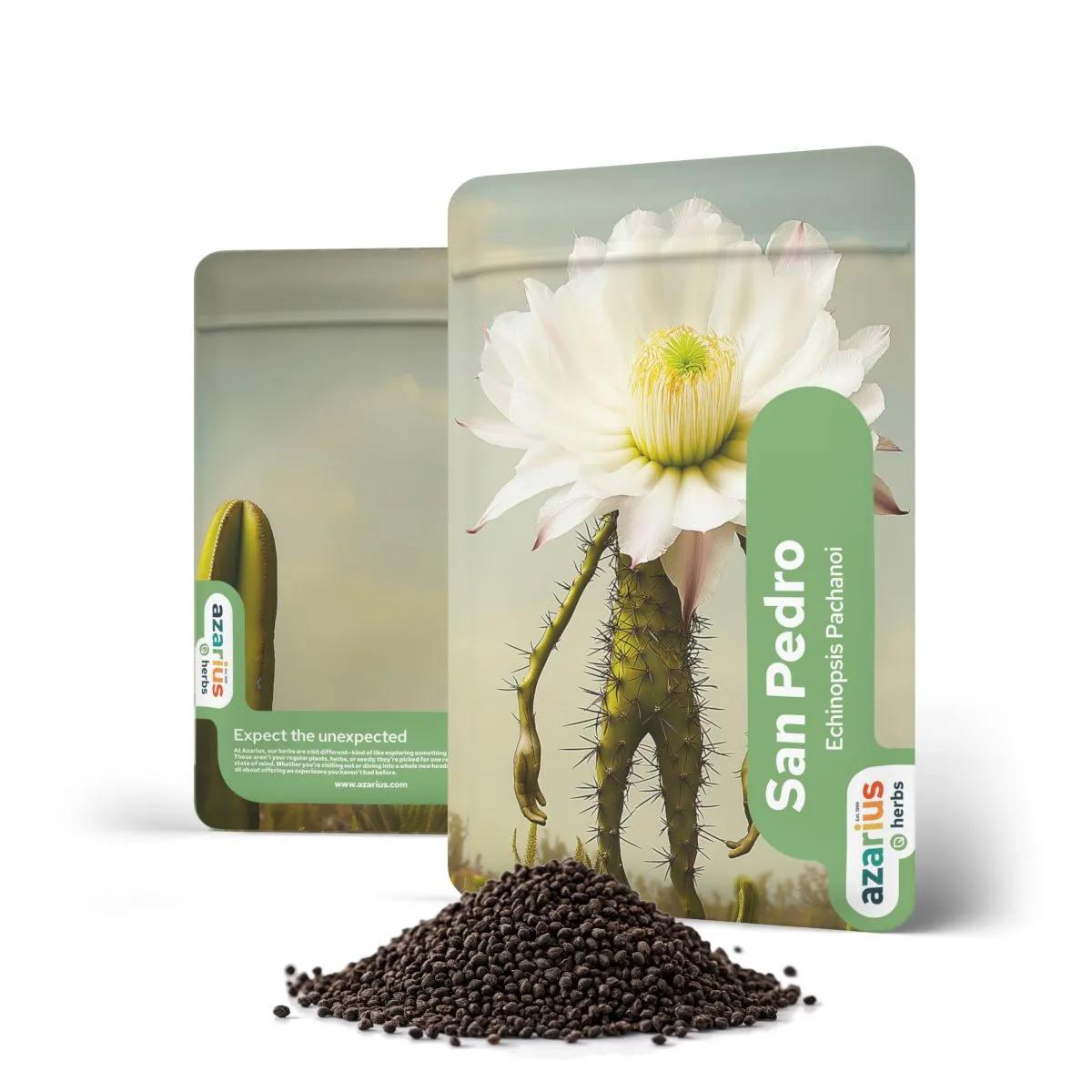
Compared to a standard San Pedro (Echinopsis pachanoi), Super Pedro tends to be a faster grower with a slightly different alkaloid profile. The 4-ribbed form adds visual distinctiveness that makes it a genuine conversation piece in any collection. If you're choosing between a standard pachanoi cutting and this, the Super Pedro 4 Ribs is the rarer specimen by a wide margin — but it does need the same basic care. Neither is particularly fussy once rooted.
The one limitation worth flagging: this is a 25–30cm cutting, not a rooted plant. You'll need patience during the rooting phase, and there's always a small risk of failure if conditions aren't right (too much moisture, too little warmth). We've seen growers lose cuttings to one overly enthusiastic early watering. Let it callous, keep it dry, and you'll be fine.
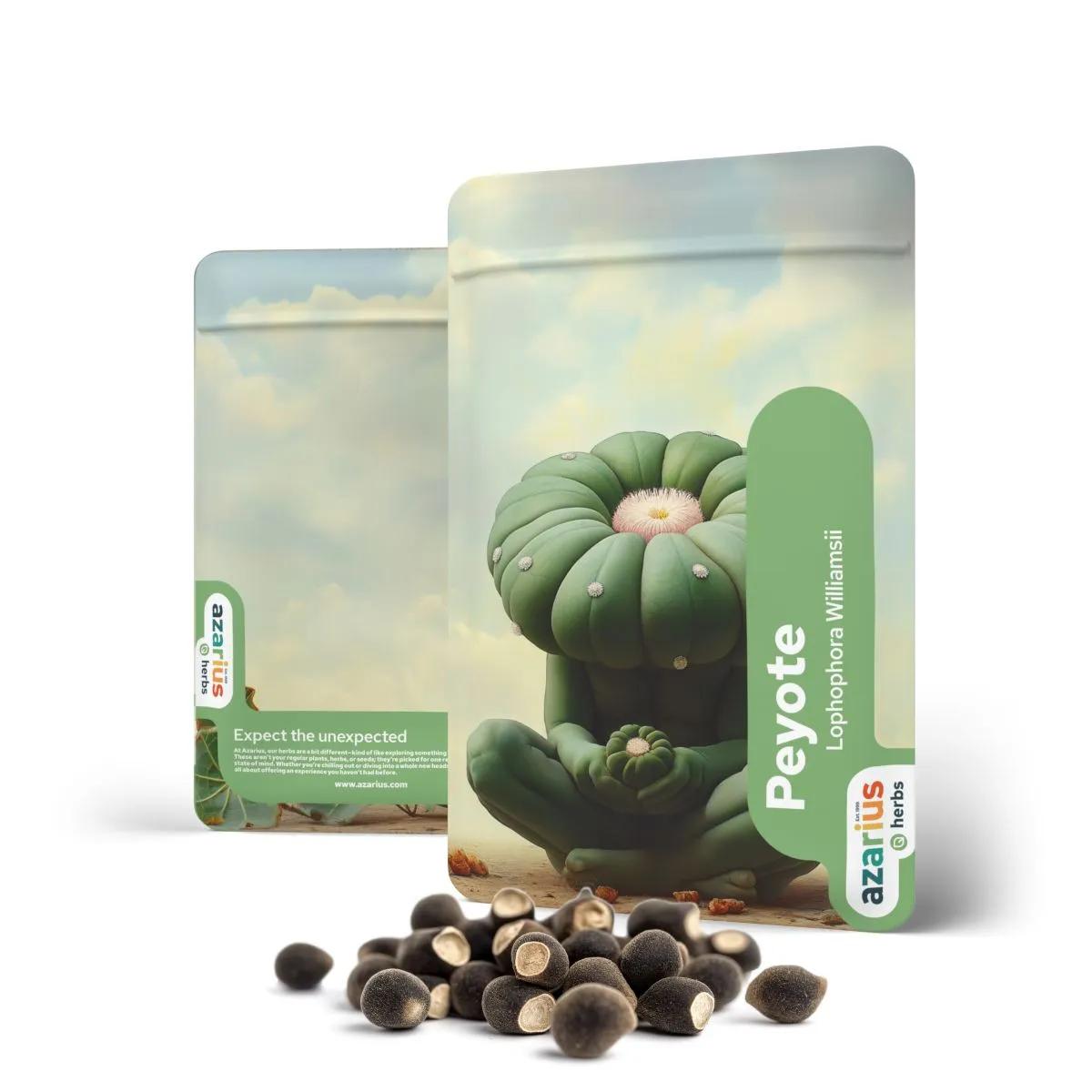
Growing a mescaline cactus collection? Pair this 4-ribbed Super Pedro with a Peyote (Lophophora williamsii) or a standard San Pedro cutting to compare growth habits and rib structures side by side. A cactus soil mix and perlite from our grow supplies section will give you the right substrate from day one.
| Feature | Super Pedro 4 Ribs | San Pedro (E. pachanoi) | Peyote (L. williamsii) |
|---|---|---|---|
| Species | Echinopsis scopulicola | Echinopsis pachanoi | Lophophora williamsii |
| Growth Rate | Fast | Moderate–Fast | Very Slow |
| Typical Rib Count | 4 (this variant) / 5–9 (standard) | 6–8 | 5–13 (button shape) |
| Native Altitude | 2,000–3,000 m | 2,000–3,000 m | 100–1,500 m |
| Flowers | Large, white, nocturnal | Large, white, nocturnal | Small, pink, diurnal |
| Rarity (4-rib form) | Very rare | N/A | N/A |
| Mescaline Content | High | Moderate–High | High |
Genuinely rare. Standard Super Pedro cacti produce 5–9 ribs. The 4-ribbed form is believed to occur only in old, aged specimens, and most collectors have never seen one in person. These cuttings come from specifically selected mother plants.
Expect 3–6 weeks for roots to develop after planting the calloused cutting. Don't water for the first 2–3 weeks. You'll know it's rooting when it feels firm and stable in the soil rather than wobbly.
Yes, but it needs direct sunlight. A south-facing windowsill is your best bet. Without enough light, the cactus will etiolate — stretching thin and pale toward the nearest light source. If your flat doesn't get strong direct sun, consider a grow light.
Flowering typically happens once the plant is mature and well-established — think years, not months. Healthy mature specimens produce large white flowers that open at night and last 2–3 days. A 25–30cm cutting needs to grow considerably before it reaches flowering size.
A 50/50 blend of mineral substrate (perlite, pumice, or coarse sand) and standard cactus compost. The critical thing is drainage — these cacti rot quickly in waterlogged soil. Always use pots with drainage holes, and err on the side of underwatering.
Rib count alone doesn't directly determine alkaloid concentration. Mescaline content varies based on age, growing conditions, genetics, and the specific part of the plant. The 4-ribbed form is prized for its rarity and visual distinctiveness, not a guaranteed difference in potency.
Echinopsis scopulicola is considered a fast grower among columnar cacti — generally comparable to or slightly faster than standard Echinopsis pachanoi (San Pedro) under similar conditions. With good light, warmth, and proper watering during the growing season, expect visible growth within a few months of rooting.
Last updated: April 2026
Medical disclaimer. This content is for informational purposes only and does not constitute medical advice. Consult a qualified healthcare provider before use of any substance.