Cultivation supplies
by Unbranded
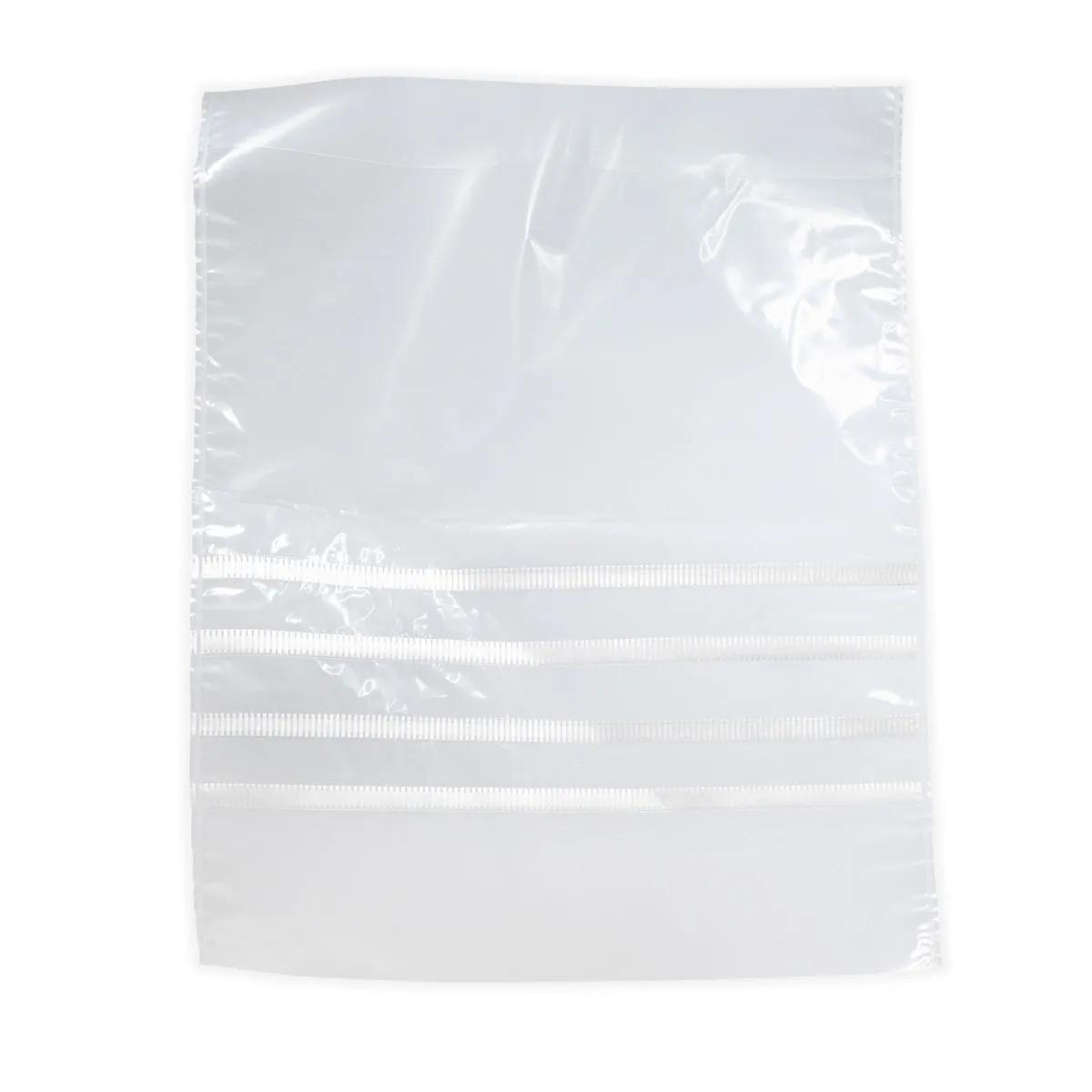
The Filter Bag XL is a polypropylene mushroom grow bag designed for 2100ml substrate kits, fitted with 4 built-in filter strips that vent CO2 while locking in moisture and blocking contaminants. If you're running larger batches or working with bigger grain jars, this is the bag that actually fits the job without you having to jury-rig something smaller.
| Spec | Value |
|---|---|
| Material | Polypropylene |
| Filter strips per bag | 4 |
| Compatible kit size | 2100ml |
| Autoclavable | Yes |
| Filter type | Micro-porous membrane |
| SKU | SH0009 |
Complete your grow setup with a substrate kit and a misting bottle. The Filter Bag XL pairs directly with 2100ml grow kits — grab both and you're sorted from inoculation to harvest.
Contamination is the number one reason home grows fail. We've seen it hundreds of times over 25+ years behind the counter: someone skips the filter bag, uses a ziplock with holes poked in it, or tries cling film with micropore tape — and three weeks later they've got green mould instead of mycelium. It's gutting, and it's almost always avoidable.
The problem is simple. Mycelium needs to breathe — it produces CO2 as it colonises substrate, and that gas needs somewhere to go. But the moment you open a path for gas exchange, you also open a path for airborne contaminants: mould spores, bacteria, dust. A standard bag can't do both jobs. A filter bag can. The micro-porous filter strips on the Filter Bag XL allow CO2 to vent out while the pore size is small enough to block contaminants from getting in. At the same time, the polypropylene holds moisture inside the bag, keeping your substrate at the humidity level mycelium actually wants.
The honest limitation? Filter bags aren't reusable forever. Each autoclave cycle stresses the material slightly, and after a few rounds the seal integrity drops. We'd treat these as single-use or 2-use maximum to be safe. The cost per bag is low enough that it's not worth risking a whole batch over a worn-out filter strip.
The XL size exists for a reason. Standard filter bags work fine for 1200ml kits, but the moment you scale up to 2100ml, a smaller bag forces you to compress the substrate. Compressed substrate means reduced airflow through the grain, slower colonisation, and more opportunities for anaerobic pockets where bacteria thrive. The XL gives your substrate room to breathe — literally. The 4 filter strips (compared to the typical 1 or 2 on smaller bags) provide enough gas exchange surface area for the larger volume inside.
One thing we always tell people: the bag feels lightweight, almost flimsy, when you first hold it. Don't let that fool you. Polypropylene is specifically chosen for autoclave resistance and chemical inertness — it won't leach anything into your substrate or degrade at sterilisation temperatures. The thin walls are a feature, not a weakness. That said, be careful with sharp edges on your workspace. A puncture anywhere below the seal line means the bag is compromised. Keep your area clean and smooth.
Technically yes, but we wouldn't recommend it beyond one reuse. Each autoclave cycle weakens the filter strip adhesion and the polypropylene seal. At this price point, a fresh bag per batch is cheap insurance against contamination wiping out weeks of work.
The XL is designed for 2100ml substrate kits. You can fit smaller kits inside with extra headroom, but for anything under 1200ml, a standard-size filter bag is more practical and gives you a tighter seal closer to the substrate surface.
Four. Each strip is a micro-porous membrane that allows CO2 out while blocking airborne contaminants. The 4-strip design provides enough gas exchange surface for the larger 2100ml volume — smaller bags typically only have 1 or 2.
A flow hood makes inoculation much safer, but you can work in a still air box as a budget alternative. The bag itself protects the substrate after sealing — the critical moment is the few seconds the bag is open during inoculation.
Yes. Polypropylene handles standard autoclave conditions — 121°C at 15 PSI for up to 90 minutes. Don't exceed 135°C or the material will start to deform. Make sure the bag is sealed before autoclaving so the substrate sterilises inside its final container.
Any hole below the seal line is a contamination risk. If you spot a puncture before inoculation, swap the bag. If you find one after inoculation, cover it immediately with micropore tape and monitor closely — but honestly, starting fresh with a new bag is the safer call.
No. A monotub liner is an unfiltered plastic sheet that prevents side-pinning. A filter bag is a sealed, gas-exchanging environment for colonisation. They serve completely different stages of the growing process.
Last updated: April 2026
Medical disclaimer. This content is for informational purposes only and does not constitute medical advice. Consult a qualified healthcare provider before use of any substance.