Cultivation supplies
by Unbranded
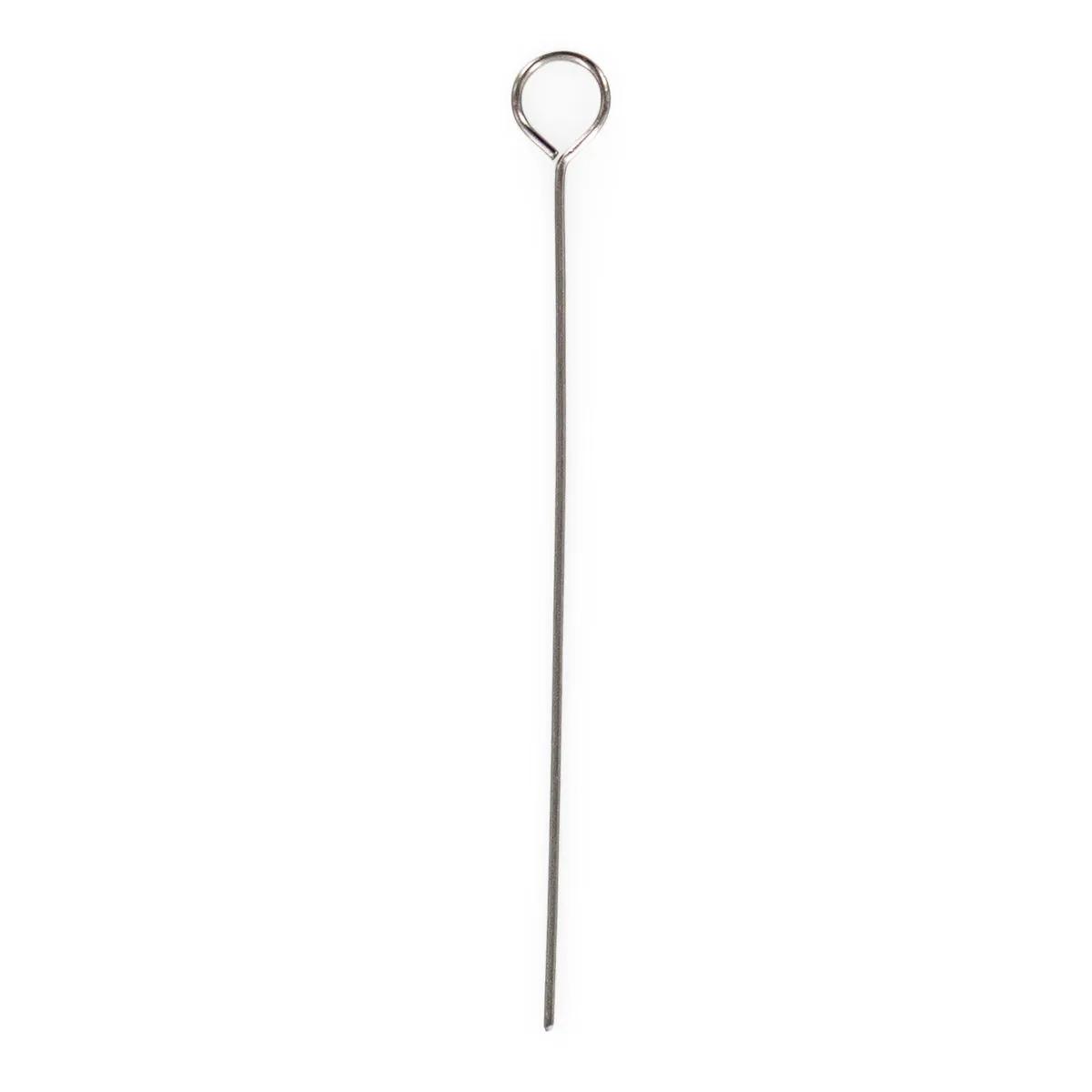
An inoculation loop is a slim metal instrument used to transfer spores and mycelium cultures onto agar plates with surgical precision. If you're working with agar — isolating genetics, transferring clean cultures, or simply getting spores from a print to a plate — this is the tool that sits between your hand and the work. Lightweight, flame-sterilisable, and built to handle the fiddly side of home mycology.
This inoculation loop comes with a 4mm loop — the standard size for most agar work in home mushroom cultivation. A 4mm loop picks up just enough material for a clean transfer without dragging excess moisture or contaminants across your plate. It's the size we'd point you towards for spore streaking and mycelium transfers alike. The overall tool is available in 50mm and 70mm handle lengths — the 70mm version gives you a touch more reach inside deeper dishes or when working at an angle near a flame.
| Spec | Value |
|---|---|
| Loop diameter | 4mm |
| Material | Metal (nichrome/stainless steel) |
| Heat resistance | Up to 1200°C |
| Available handle lengths | 50mm and 70mm |
| SKU | SH0125 |
| Sterilisation method | Flame (alcohol burner or Bunsen burner) |
| Reusable | Yes — unlimited uses with proper sterilisation |
| Also known as | Smear loop, micro-streaker |
Complete your agar work setup: pair this inoculation loop with pre-poured agar plates and a still air box or laminar flow hood for the cleanest possible transfers. A quality alcohol burner keeps your loop glowing red between each streak — the whole process takes under 30 seconds when your station is set up properly.
Here's the thing about mushroom cultivation — the further you go past "just add water to a grow kit," the more you realise contamination is the enemy. And contamination wins when your tools are wrong. We've seen growers try to do agar transfers with toothpicks, bent paperclips, even the tip of a kitchen knife. It works once, maybe twice, and then you're staring at a green plate of trichoderma wondering where it all went wrong.
A proper inoculation loop solves this because it flame-sterilises in seconds. Hold it in an alcohol burner flame until the wire glows orange — at 1200°C, nothing survives on that surface. Not bacteria, not mould spores, nothing. Then you let it cool for a few seconds, touch it to your culture or spore print, and streak it across fresh agar. The 4mm loop picks up a tiny, controlled amount of material. That's what you want — less is more when you're isolating clean genetics.
The honest limitation? This is a simple wire loop on a handle. It won't transform your technique overnight, and it's only as sterile as your process. If you're waving it around in open air instead of working near a flame or inside a still air box, contamination will still find its way in. The tool does its job — you have to do yours.
We've been selling mushroom cultivation supplies since 1999, and the single biggest jump in success rate we see is when growers move from multi-spore syringes straight into grow bags — to actually doing agar work first. It's an extra step, yes. But it lets you see what you're working with before you commit a whole substrate bag to it. A contaminated agar plate costs you one plate. A contaminated grow bag costs you weeks of waiting and an entire harvest.
The inoculation loop feels almost too simple when you hold it — it's just a thin metal wire bent into a circle on the end of a handle. That simplicity is the point. There's nothing to break, nothing to replace, nothing to calibrate. According to research published in the Journal of Clinical Microbiology, the calibrated loop method is "more amenable to a routine clinical microbiology lab" than more complex transfer tools — and if it's good enough for hospital labs, it's good enough for your spare room. The weight of this loop is barely noticeable in your hand; it feels like holding a long pin. That lightness matters when you're making precise, gentle contact with a spore print or a thin mycelium margin on agar.
| Feature | Inoculation Loop | Scalpel |
|---|---|---|
| Best use | Spore streaking, liquid culture transfers, thin agar transfers | Cutting agar wedges, tissue cloning from fresh mushrooms |
| Sterilisation | Flame — glows red in 5-10 seconds | Flame or alcohol wipe — takes longer, blade can dull |
| Precision | Picks up microscopic amounts — great for isolation | Cuts defined pieces — better for bulk transfers |
| Reusability | Unlimited — metal withstands 1200°C repeatedly | Blades need periodic replacement |
| Learning curve | Low — streak and go | Moderate — cutting technique matters |
Short answer: you'll probably end up owning both. But if you're starting agar work and only grabbing one tool, the inoculation loop is where we'd point you. Spore streaking is how most people begin, and the loop is built for exactly that. A scalpel becomes more useful once you're cloning from fruit bodies or transferring wedges between plates.
Yes — that's the whole point. Flame-sterilise the wire until it glows red-orange between each use. The metal handles temperatures up to 1200°C, so repeated flaming won't damage it. One loop lasts indefinitely with proper care.
The measurement refers to the handle length, not the loop itself. The 70mm version gives you slightly more reach, which helps when working inside deeper petri dishes or when you need to keep your hand further from the flame. The 4mm loop at the tip is the same on both.
No. A still air box (SAB) works well for agar transfers at home. Work near your alcohol burner flame — the rising heat creates a small updraft that pushes airborne contaminants away from your work area. A flow hood is better, but not required for successful agar work.
Hold the wire in the flame for 5-10 seconds until it glows orange. Then let it cool for 8-10 seconds before touching it to any culture material. Touching hot metal to agar or mycelium kills the very cells you're trying to transfer.
Yes. Dip the sterilised and cooled loop into your liquid culture — the 4mm loop holds a small droplet, enough to streak across an agar plate. It's a good way to check liquid cultures for contamination before using them to inoculate grain.
Agar streaking spreads spores or mycelium thinly across a nutrient plate so individual colonies grow separately. This lets you pick the cleanest, fastest-growing sector and transfer it — isolating strong genetics and leaving contaminants behind. It's how experienced growers ensure clean, vigorous cultures before committing to bulk substrate.
For most home mycology, 4mm is the standard. It picks up enough material for a visible streak without overloading the plate. Clinical microbiology labs use calibrated loops of 1-10 microlitres for similar precision work — a 4mm loop sits right in that practical range.
Last updated: April 2026
Medical disclaimer. This content is for informational purposes only and does not constitute medical advice. Consult a qualified healthcare provider before use of any substance.