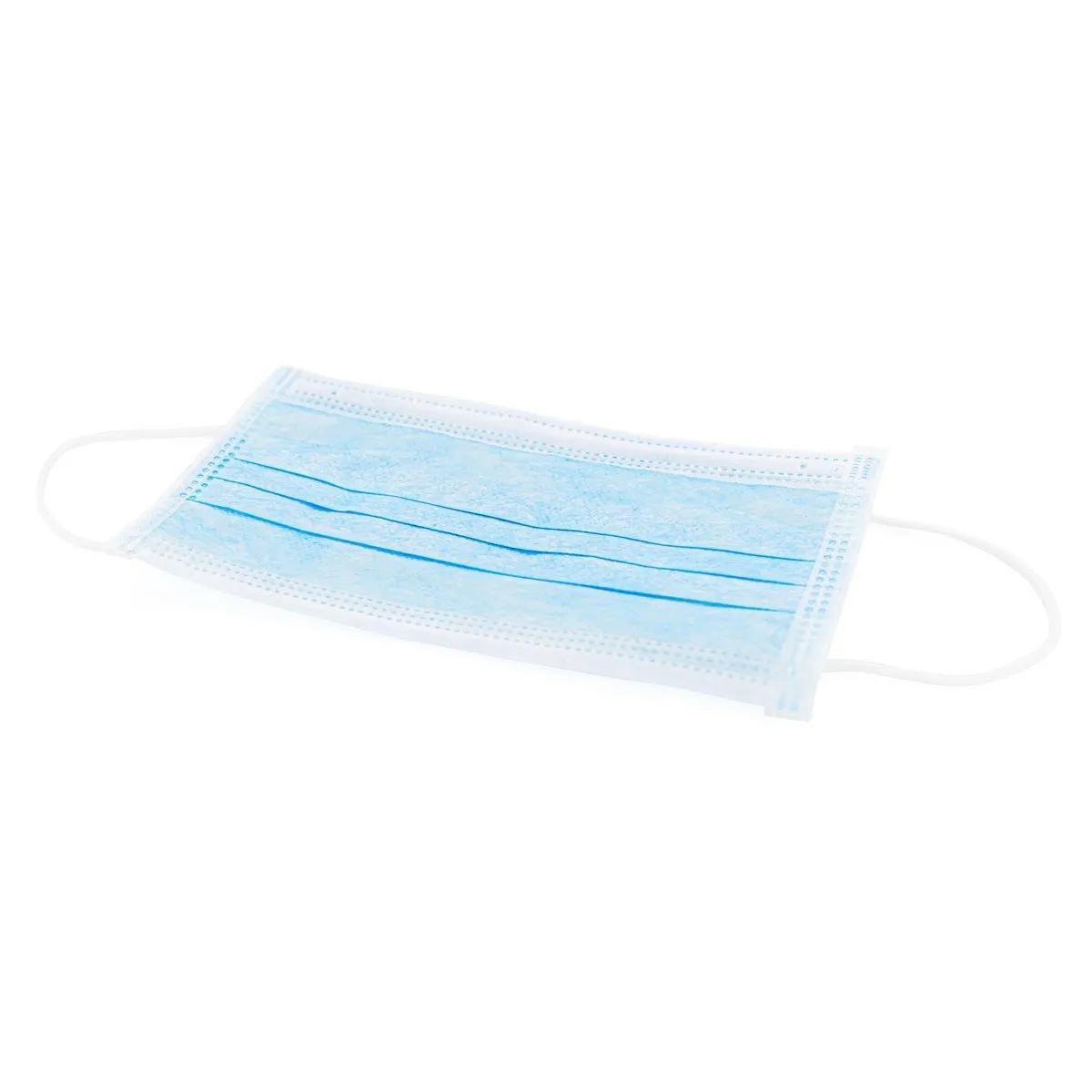
A mushroom cultivation mouth mask is a disposable surgical-style face covering that stops your breath and saliva landing on sterile substrate, agar plates, or inoculation ports during home mycology work. One ungloved hand or one uncovered cough is all it takes to turn a clean grow kit into a green fuzzy disaster — this mask is the cheapest insurance you'll buy for your cultivation setup.
Why a mouth mask matters for sterile mushroom cultivation
Every breath you exhale is loaded with bacteria and competing fungal spores. When you open a grow kit to inoculate, transfer agar wedges, or pour grain into a jar, those microbes land directly onto the one thing you need to stay sterile: your substrate. A mushroom cultivation mouth mask creates a physical barrier between your airway and the workspace, catching droplets before they reach your freshly poured agar or newly inoculated jars.
We've watched customers spend weeks on pressure-cooking grain, building a still-air box, and sourcing a clean spore syringe — then lose the whole batch because they talked over an open jar. Contamination usually shows up as green Trichoderma, pink bacterial wet spot, or a grey cobweb mould. At that point the jar goes in the bin. According to a 2023 review on protective mask filtration (PMC9915213), surgical-style masks reduce outward droplet leakage significantly versus uncovered faces — which is exactly what you need when your face is 30cm from a sterile workspace.
Honestly, if you're working in a flow hood or still-air box without a mask, you're fighting the odds. This is the cheapest bit of kit in your entire cultivation setup and arguably the highest return on investment.
What you're getting: a sterile face mask for mycology
One size, single-use. Standard 3-ply pleated surgical-style mask with elastic ear loops and a bendable nose clip. Covers from bridge of nose to under the chin. Fits most adult faces. One mask per inoculation session — don't reuse for sterile work.
Specifications for the sterile mycology face mask
| Type | Disposable surgical-style mouth mask |
| Layers | 3-ply non-woven |
| Fit | Elastic ear loops, bendable nose strip |
| Coverage | Nose and mouth |
| Use case | Inoculation, agar work, grain-to-grain transfers, substrate mixing |
| Reuse | Single-use for sterile work |
| SKU | SH0007 |
Where the mouth mask fits in your contamination-control routine
A sterile face mask for mycology is one layer in a stack. It doesn't replace gloves, alcohol wipes, or a still-air box — it works with them. Here's the order of defence most home cultivators run:
- Workspace disinfection — wipe down with 70% isopropyl or Bacillol before and during the session
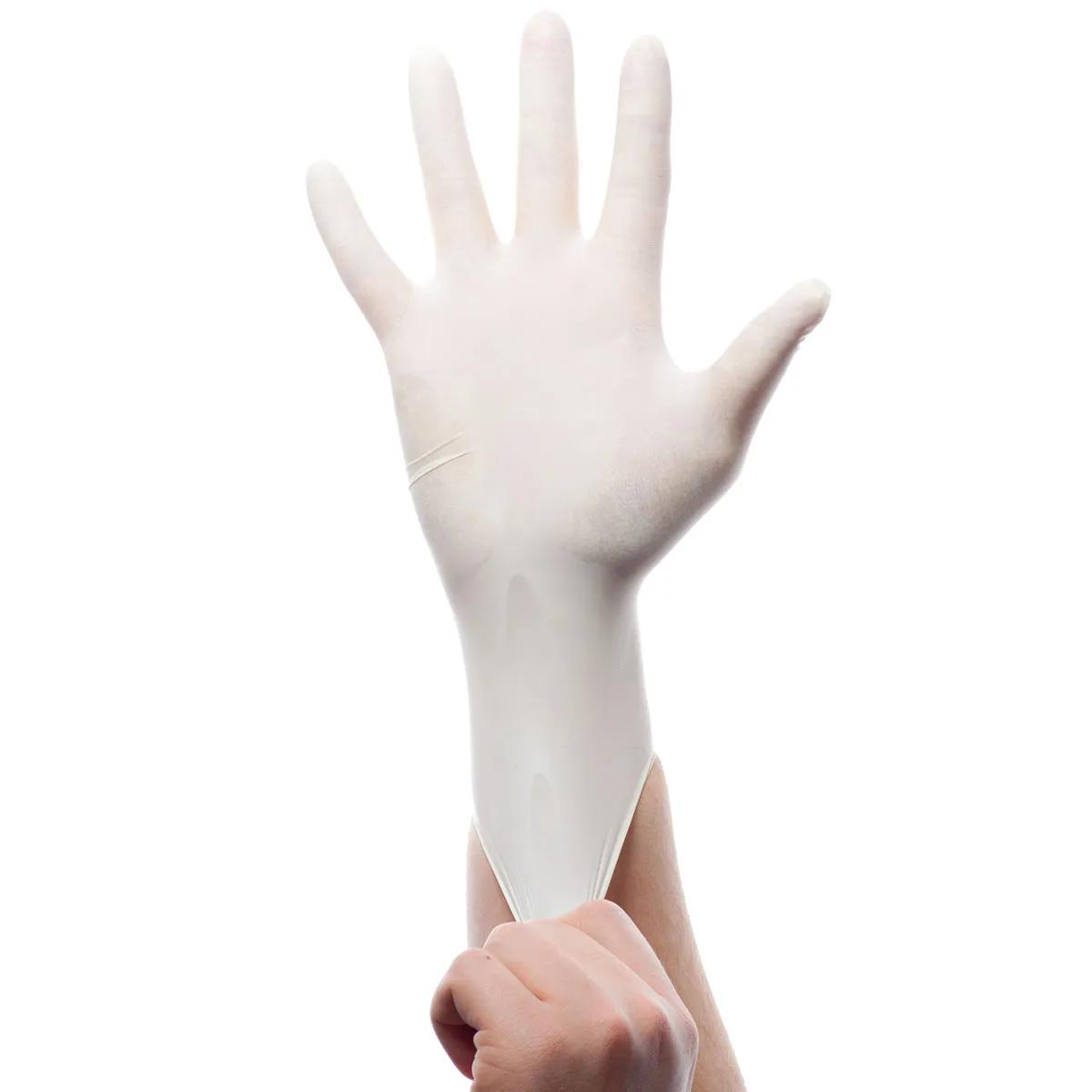
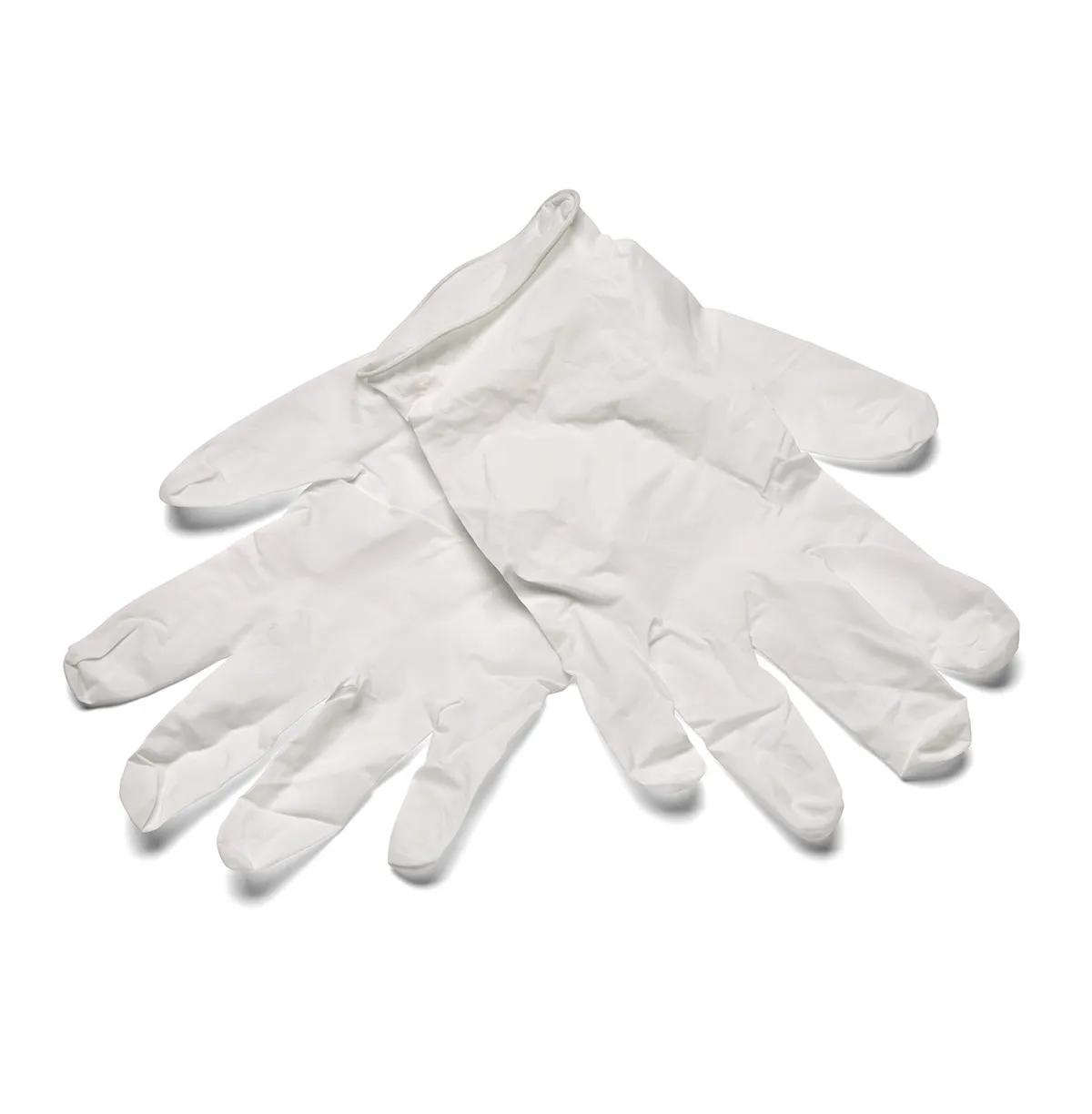
- Hand hygiene — nitrile or latex gloves, wrists wiped with alcohol
- Airway barrier — this mouth mask, fitted before you open anything
- Still air — no fans, no open windows, minimal movement
- Flame or flow hood — for needle sterilisation or HEPA-filtered air
Miss any one of those and your success rate drops. The mask is the easiest to get right.
Complete your sterile setup: pair this mouth mask with powder-free nitrile gloves (powder contaminates agar), sterile latex gloves for inoculation work, and a Bacillol alcohol-based tissue dispenser for wiping down jar lids and work surfaces. The combination is what a proper home lab looks like.
How to use the mouth mask during inoculation
- Wash your hands thoroughly, then wipe your workspace with 70% isopropyl or Bacillol and let it dry.
- Take a fresh mask from the packaging — don't touch the inner side that faces your mouth.
- Loop the elastic bands behind your ears, pinch the nose clip to fit the bridge of your nose, and pull the pleats down to cover under your chin.
- Put your gloves on after the mask — not before. Wipe gloves with alcohol.
- Work quietly. Minimal talking, no coughing over open jars, keep your head slightly turned away from sterile surfaces.
- When the session is done, remove gloves first, then the mask by the ear loops. Bin it — don't reuse for sterile work.
Honest limitations of a disposable mushroom cultivation mask
This is a surgical-style mask, not an N95. It reduces droplet transmission from you to your workspace — which is what matters for mycology — but it's not a HEPA filter. It won't turn a dusty shed into a clean room. If your environment is genuinely dirty (lots of airflow, pets, a dusty floor), you still need a still-air box or flow hood. The mask handles the biggest variable (your breath); the rest of the setup handles the ambient stuff.
Research on prolonged mask wearing (PMC8431486, 2021) noted increased self-perception of dry mouth and halitosis during extended use. For a 20-minute inoculation session this isn't an issue — but if you're doing a long agar marathon, take breaks between passes. A 2022 study (PubMed 36459058) found four hours of mask wearing didn't significantly alter salivary flow rate or pH, so the effect is mostly subjective comfort rather than a real health concern for occasional use.
Frequently Asked Questions
Do I really need a mouth mask to inoculate a grow kit?
If you want consistent results, yes. Ready-to-grow kits arrive already colonised and sealed, so a mask is less critical there. But the moment you're working with spore syringes, agar, grain jars, or any open sterile surface, your breath is the biggest contamination risk in the room.
Can I reuse the same mask for multiple sessions?
Not for sterile work. Once you've breathed into a mask for 20 minutes, the inner surface is damp and microbially active. Use a fresh mask every inoculation session — they're cheap enough that reusing one isn't worth the risk to a grain jar.
Is a surgical mask enough, or do I need an N95?
For home mycology, a 3-ply surgical-style mask is plenty. It blocks the exhaled droplets that carry contaminants toward your workspace. N95s are designed for inhalation protection, which isn't the problem you're solving here.
What else do I need alongside the mask?
Powder-free nitrile or sterile latex gloves, 70% isopropyl alcohol or Bacillol for wipe-downs, and ideally a still-air box. The mask covers your breath; gloves cover your hands; alcohol covers surfaces. All three together are the baseline for sterile mycology work.
Does the mask replace a still-air box or flow hood?
No. The mask handles what's coming out of your face. A still-air box handles the air around your work. A flow hood handles it even better with HEPA-filtered laminar airflow. They solve different problems — use the mask alongside whichever setup you're running.
Can I fit it over a beard?
Sort of. Surgical-style masks are designed for clean-shaven faces and don't seal perfectly over facial hair. For mycology work this is usually fine since you're blocking droplets, not filtering inhaled air — but trim close or tuck the mask tight if you can.
Last updated: April 2026