Cultivation supplies
by CMT
We'll only email you about this product — no marketing.
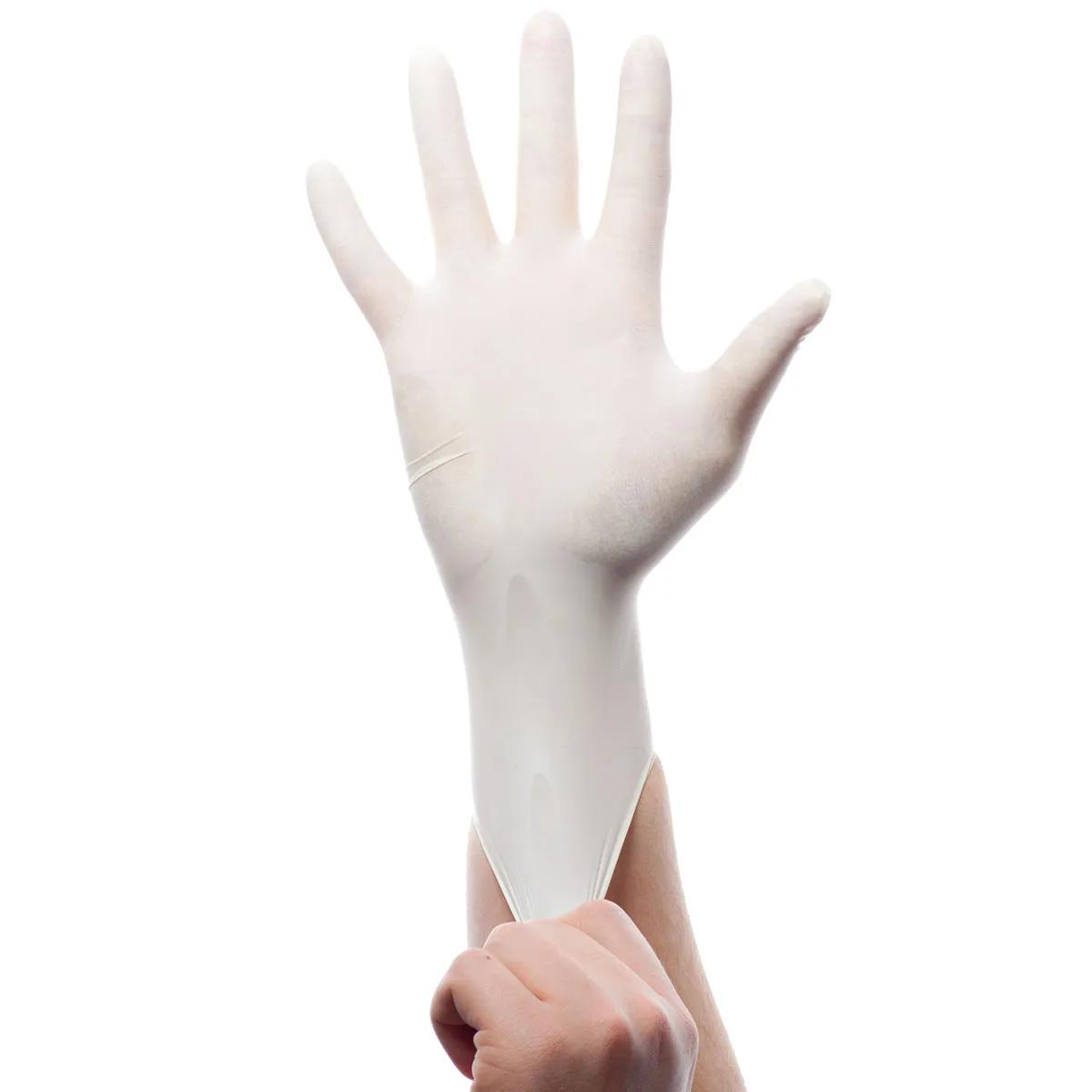
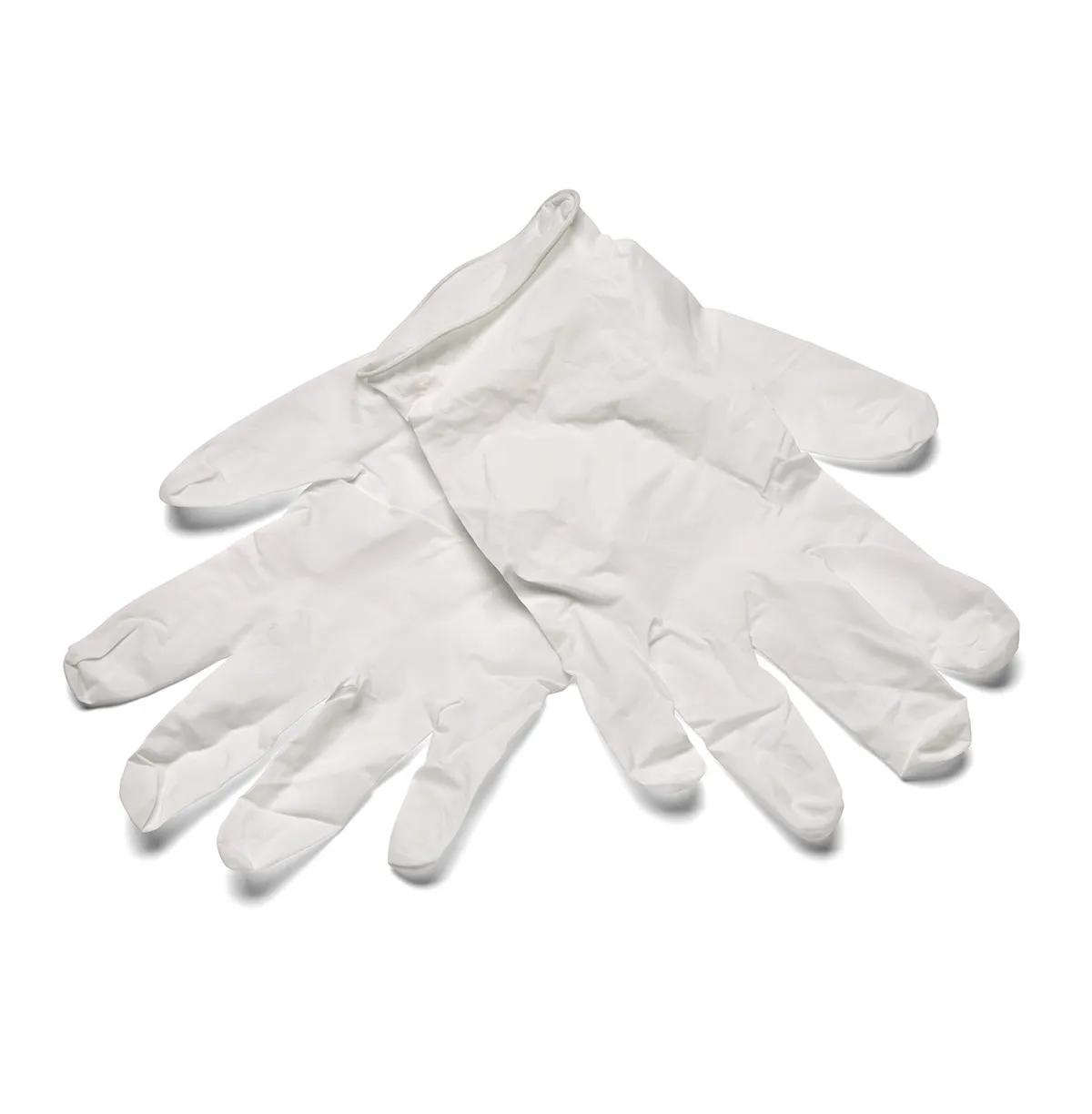
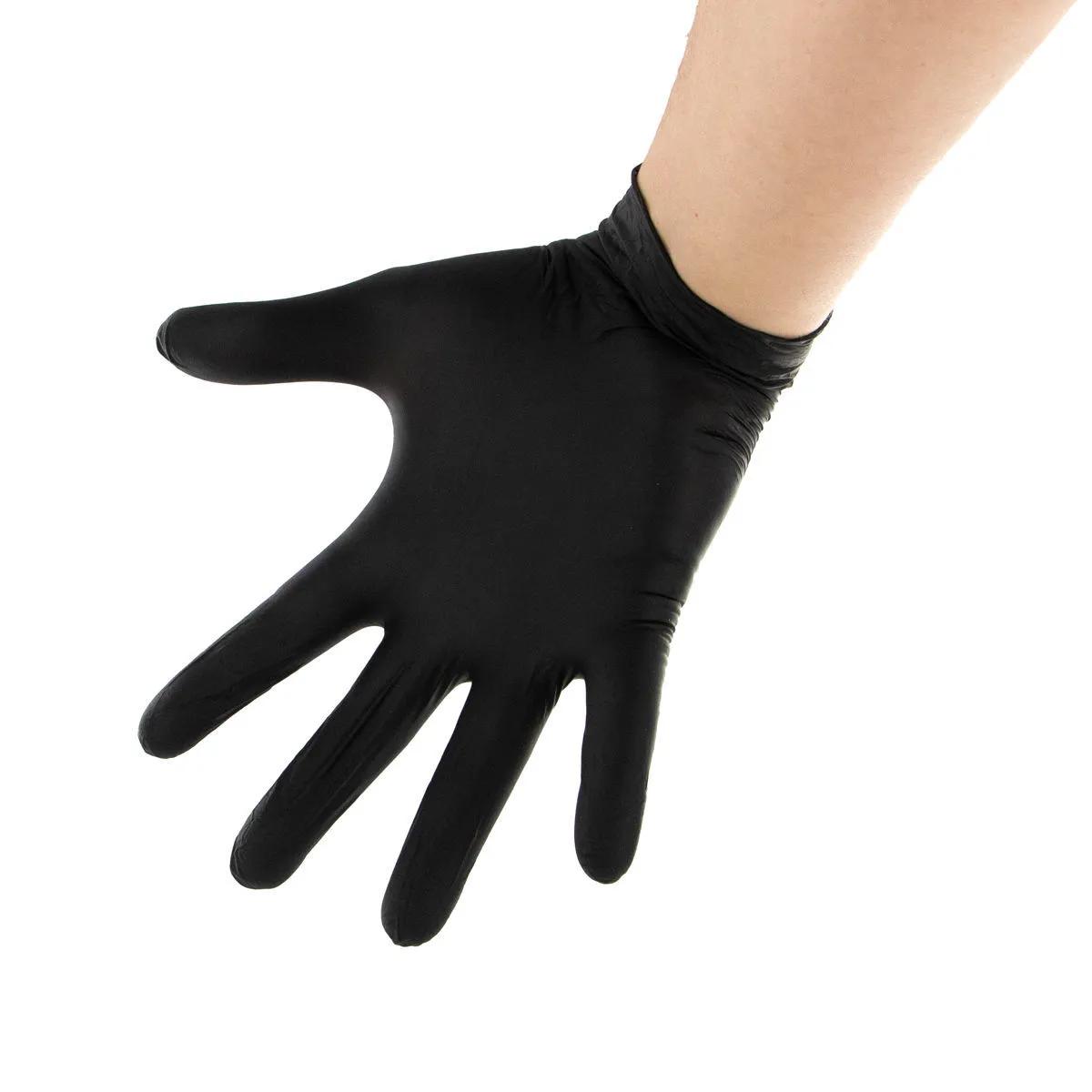
Powder free nitrile gloves are disposable, latex-free hand protection designed for growers who need dexterity without contamination. Available in Small, Medium, and Large, this box of 100 black nitrile gloves keeps your hands clean during trimming, inoculation, and every sterile task in between. They're the pair we keep stocked behind the counter — and the ones we actually reach for.
Gloves that are too loose bunch up around your fingertips and make precise trimming a nightmare. Too tight, and they'll tear the moment you stretch your hand. Measure across the widest part of your palm (excluding thumb) with a tape measure:
| Size | Palm Width | Best For |
|---|---|---|
| Small | 7–8 cm | Smaller hands, detailed work |
| Medium | 8–9 cm | Most common fit — start here if unsure |
| Large | 9–10 cm | Larger hands, looser fit |
If you're between sizes, go one size down. Nitrile stretches slightly with body heat, and a snug glove gives you far better control with scissors and scalpels than a baggy one.
We've seen growers lose entire mushroom batches to a single ungloved hand. One touch of bare skin on a grain jar lid and you've introduced bacteria, oils, and spores that don't belong there. It's not dramatic — it's just how contamination works. Gloves are the cheapest insurance you can buy for a grow.
For cannabis trimming, the problem is different but just as annoying. Resin sticks to everything. After 20 minutes of bare-handed trimming, your fingers are coated in a thick layer of trichomes that clogs your scissors and slows you down. With nitrile gloves on, the resin still builds up — but you peel off the glove, snap on a fresh one, and you're back to work in seconds. Some trimmers go through 10–15 pairs in a single session, which is exactly why these come in boxes of 100.
The powder-free bit matters too. Powdered gloves use cornstarch to make them easier to slide on, but that powder can carry allergens and leave residue on your substrate or flowers. According to a 2021 study published in the Revista Brasileira de Terapia Intensiva, replacing powdered gloves with powder-free nitrile alternatives improved hand hygiene compliance in clinical settings, with 1,139 observations recorded after the switch (PMC7789181). If hospitals care about that distinction, your grow room should too.
Latex allergies are more common than most people realise. According to research published in the International Journal of Environmental Research and Public Health, sensitisation to natural rubber latex proteins can occur with direct skin contact, and the remaining proteins in latex gloves cause allergic reactions in a measurable portion of the exposed population (PMC10381443). A case study in BMC Oral Health documented a severe reaction — erythema across the face, neck, and upper body plus facial oedema — within one minute of latex contact (PMC10622736). That's not a mild inconvenience; that's a medical event.
Nitrile sidesteps the problem entirely. It's a synthetic rubber — no natural latex proteins involved. If you've ever had itchy, red hands after wearing disposable gloves, there's a decent chance you were reacting to latex. According to a study in Glove-Induced Hand Dermatitis, contact dermatitis was identified in 8.87% and 5.43% of healthcare workers in two separate assessments (PMC10412120). Switching to nitrile powder free gloves eliminates that risk for most people.
| Spec | Value |
|---|---|
| Material | Nitrile (synthetic rubber) |
| Colour | Black |
| Powder | None |
| Latex | None |
| Quantity | 100 gloves per box |
| Sizes Available | Small, Medium, Large |
| SKU (Small) | HS1925 |
| SKU (Medium) | HS1926 |
| SKU (Large) | HS0730 |
| Use | Single use, disposable |
Complete your grow setup: pair these gloves with isopropyl alcohol 99.9% for wiping down surfaces and sterilising between tasks. If you're growing mushrooms, a still air box and sterile grain spawn jars round out your contamination-prevention kit. For cannabis trimmers, a decent pair of trimming scissors and a cleaning solution for resin buildup will keep your sessions efficient.
The texture on these is slightly roughened at the fingertips — you can feel it when you rub your thumb and index finger together. That grip matters more than you'd think. Smooth nitrile gloves turn into ice rinks the moment they get wet, and if you're misting a fruiting chamber or handling damp substrate, you need that extra traction. The black colour is a practical choice too: it makes it dead easy to spot contamination, mould, or resin buildup against the dark surface.
One honest limitation: nitrile is tougher than latex but it's not armour. Sharp trimming scissors can puncture them, especially at the fingertips if you're careless. We go through roughly 4–6 pairs per hour during a serious trim session. Budget accordingly — at 100 per box, one box lasts most growers a full harvest cycle. According to research comparing glove materials, nitrile gloves were found to be more durable, stretchy, and strong than PVC alternatives (PMC11527158), so you're getting the best balance of toughness and feel in this material.
Compared to standard blue examination gloves you'd find at a pharmacy, these are thicker and less likely to rip when you snag them on a branch or jar lid. The trade-off is very slightly less tactile sensitivity — but for growing and trimming, you won't notice the difference. If you need surgical-grade dexterity for something like agar transfers, these still do the job. We've used them for exactly that.
Yes. Nitrile is a synthetic rubber that contains zero natural latex proteins. According to research in Performance-Enhancing Materials in Medical Gloves, latex protein sensitisation is the primary allergy concern, and nitrile eliminates that exposure entirely. These powder free nitrile gloves are specifically designed as a latex-free alternative.
No. Once removed, nitrile gloves lose their structural integrity — they stretch, develop micro-tears, and no longer provide a reliable barrier. Dispose after each use and grab a fresh pair. At 100 per box, you've got plenty.
Nitrile is a synthetic copolymer of acrylonitrile and butadiene. It mimics the elasticity of natural rubber without the allergenic proteins found in latex. The result is a glove that's puncture-resistant, chemical-resistant, and comfortable for extended wear.
Powdered gloves use cornstarch to ease donning, but that powder can transfer to your work surfaces and carry allergens. A 2021 hospital study found that switching to powder-free nitrile gloves improved hygiene compliance across over 1,100 observations. For growing, any foreign particulate on your substrate is a contamination risk.
Depends on how many jars and tubs you're running. A single monotub grow typically uses 6–10 pairs across inoculation, spawning, and harvesting. A box of 100 covers most home cultivators for 2–3 full cycles. Change gloves between every sterile task — don't try to stretch one pair across an entire session.
Nitrile handles most solvents and isopropyl alcohol well, but it degrades quickly with acetone, strong acids, and ketone-based chemicals. Don't rely on these for handling highly corrosive substances. For standard grow room tasks — trimming, inoculation, mixing substrate — they're the best option available.
Functionally, no — same material, same protection. The black colour is a practical choice for growers: contamination, mould spores, and resin show up clearly against the dark surface, making it easier to spot when your gloves need changing.
Last updated: April 2026
Medical disclaimer. This content is for informational purposes only and does not constitute medical advice. Consult a qualified healthcare provider before use of any substance.