Cultivation supplies
by Hartmann
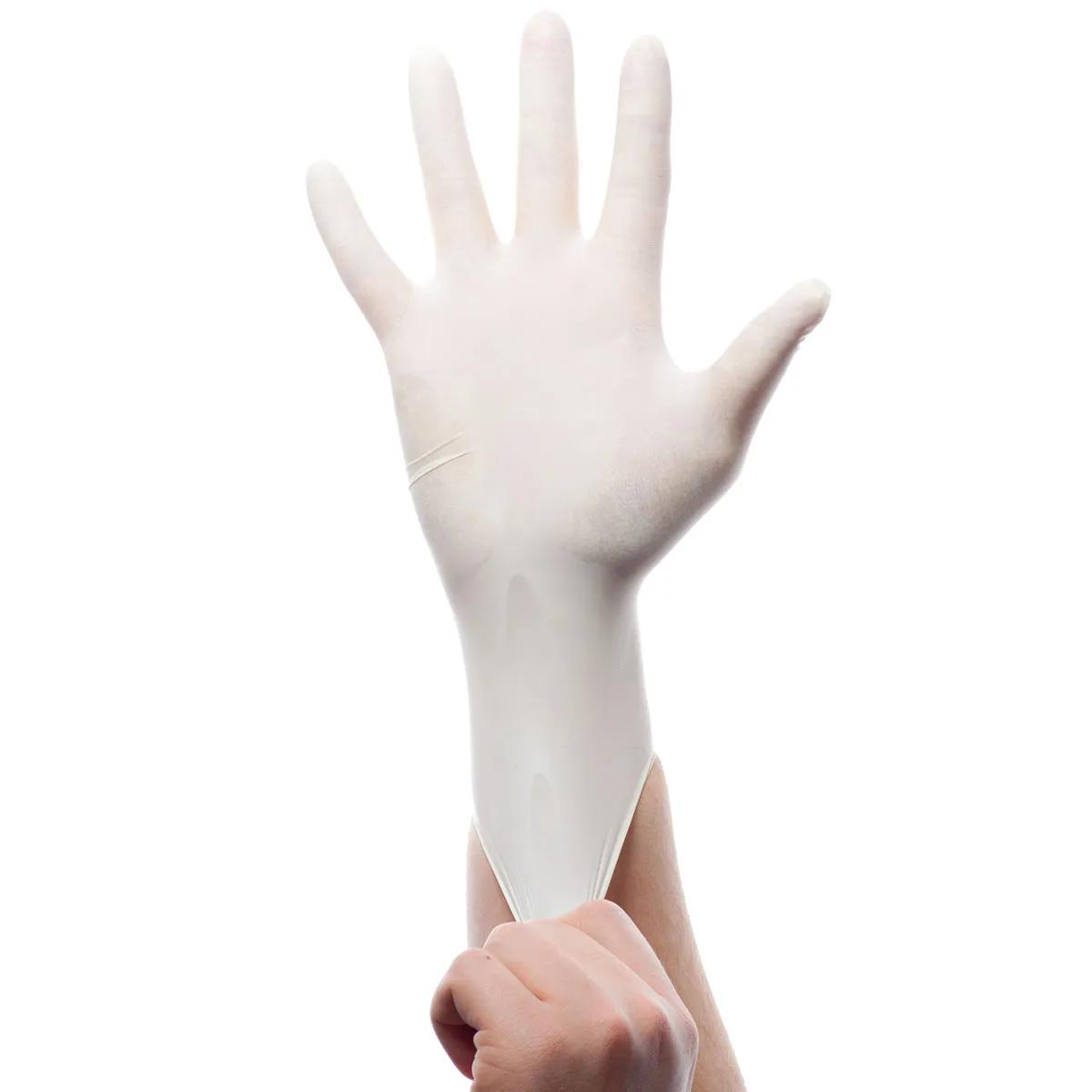
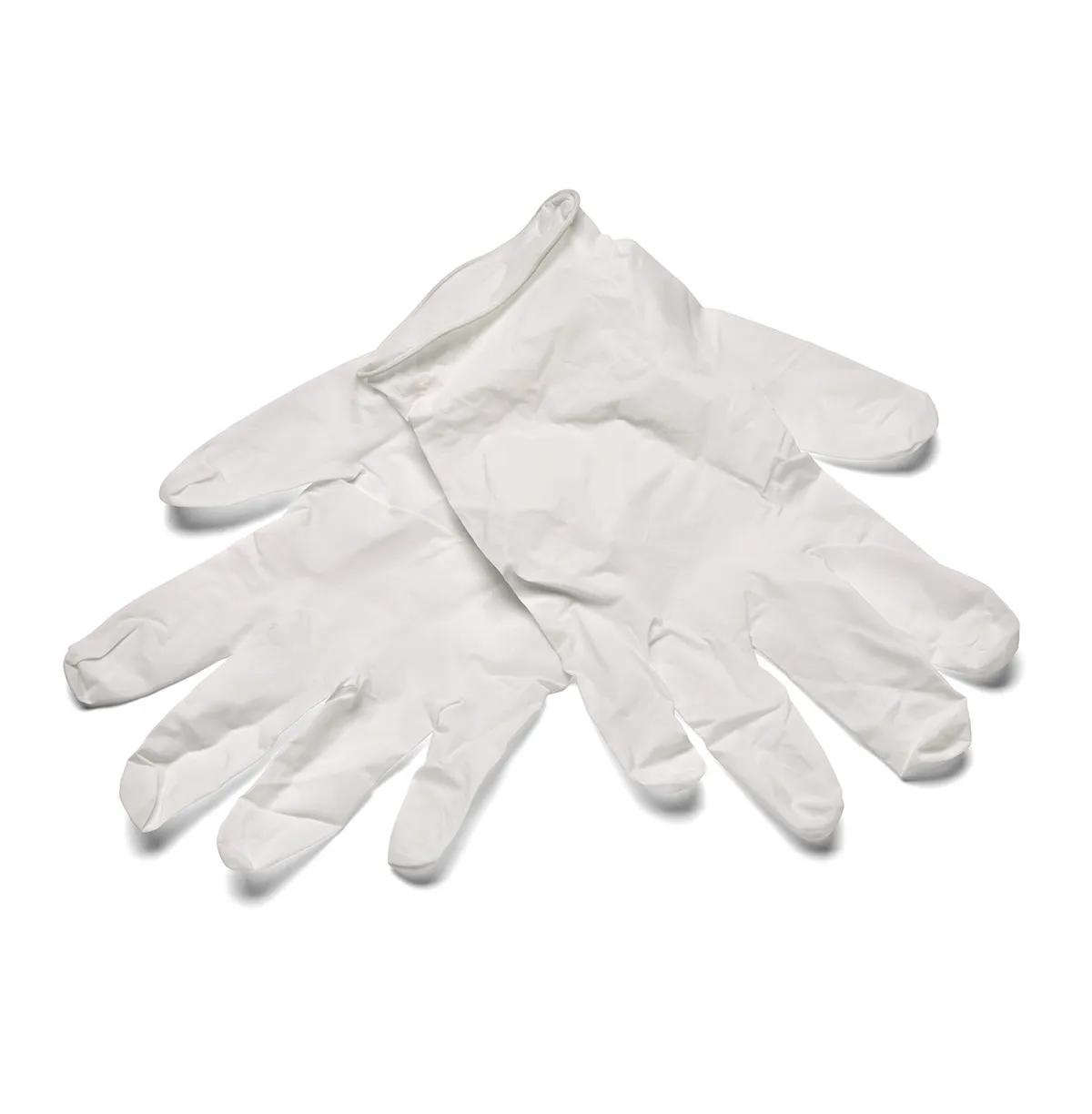
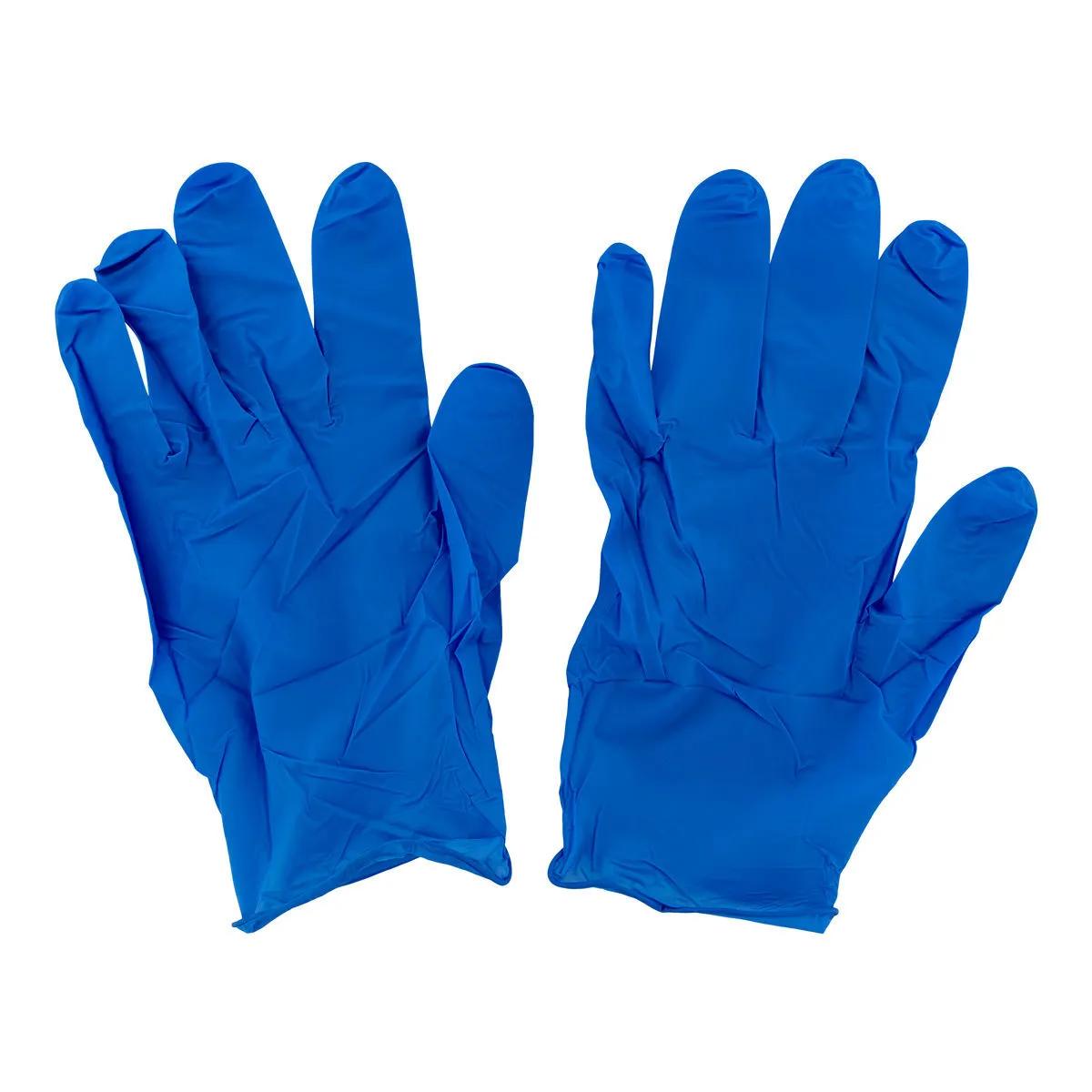
Sterile gloves are disposable latex or nitrile gloves that create a contamination barrier between your hands and your substrate, spawn, or fruiting cakes. One ungloved touch during inoculation or transfer work can introduce bacteria, mould spores, or wild yeast — and you won't know about it until your entire tub turns green a week later. We've seen growers lose full flushes to a single fingerprint. These gloves remove that risk in seconds.
These sterile gloves come in three sizes. Measure across the widest part of your palm (excluding the thumb) with a tape measure:
| Size | SKU | Palm Width (approx.) |
|---|---|---|
| S | SH0129 | Up to 7.5 cm |
| M | SH0130 | 7.5–8.5 cm |
| L | SH0131 | 8.5 cm and above |
A snug fit matters. Loose gloves reduce dexterity — and when you're handling agar dishes or transferring grain spawn, fumbling costs you sterility. Go for the size that sits close without cutting off circulation. If you're between sizes, size up; tight gloves tear more easily.
Cross-contamination is the single biggest killer of home mushroom grows. Your hands carry thousands of microorganisms at any given moment — bacteria, fungal spores, dead skin cells — and every one of them would love to colonise your warm, nutrient-rich substrate before your mycelium gets the chance. According to a review published in the National Center for Biotechnology Information, the efficacy of gloves in preventing contamination of hands has been confirmed in several clinical studies (NCBI, 2009). While that research focused on healthcare settings, the principle is identical in mycology: a physical barrier between your skin and the work surface stops transfer of unwanted organisms.
We get asked a lot whether just washing your hands thoroughly is enough. Honestly? It helps, but it's not enough. Soap and water reduce microbial load — they don't eliminate it. According to research published in PMC, improper or absent glove use during procedures heightens the potential for cross-contamination (PMC, 2024). In mushroom cultivation terms, "procedures" means anything from opening a grow kit to breaking and shaking a grain bag. Sterile gloves give you a clean starting point that hand-washing alone can't match.
The honest limitation? Gloves aren't magic. They protect against what's on your hands, but they won't save you if you touch a contaminated surface and then handle your substrate. Think of them as one layer in a sterile workflow — not the only layer. You still need a clean workspace, ideally a still-air box or flow hood, and alcohol-wiped tools. But gloves are the cheapest, easiest upgrade you can make, and skipping them is the mistake we see most often behind the counter.
| Spec | Value |
|---|---|
| Product | Sterile Gloves |
| Type | Disposable, single-use |
| Sterility | Pre-sterilised and individually packaged |
| Available Sizes | S (SH0129), M (SH0130), L (SH0131) |
| Use Case | Mushroom cultivation — inoculation, transfers, harvesting |
| Category | Mushroom Grow Supplies |
Complete your sterile setup: pair these gloves with a Still Air Box for inoculation work, and grab a bottle of 70% isopropyl alcohol to wipe down surfaces and tools before you begin. If you're starting from scratch, a mushroom grow kit gives you a fully colonised substrate — all you need to add is clean technique.
After 25 years of selling grow kits from our Amsterdam shop, the contamination stories blur together — but the cause is almost always the same. Someone skipped the gloves. They figured clean hands were good enough, or they didn't want to "waste" a pair on a quick peek inside the bag. Then 5–7 days later, green or black patches appear on the substrate, and the whole batch is done. We've had customers come back three times with the same problem before finally adding sterile gloves to their routine. The fourth time? Clean flush, no issues.
The feel of these gloves is worth mentioning. They're thin enough that you can still handle small items — agar wedges, grain jars, scalpel blades — without the clumsy "oven mitt" sensation you get from thicker rubber gloves. They do tear if you snag them on a sharp edge, so keep a spare pair within reach. That's not a flaw; it's the trade-off for the dexterity you need during fine work. Thicker gloves protect your hands better but make precision tasks frustrating. For mushroom cultivation, thin and sterile wins every time.
You might wonder whether the box of non-sterile nitrile gloves from the chemist would do the job. Here's the difference: non-sterile gloves are manufactured in bulk and packed without individual sterilisation. They're designed to protect your hands from what you're touching — not to protect what you're touching from your hands. For mushroom cultivation, you need the opposite. Sterile gloves are individually processed and packaged to minimise microbial load on the glove surface itself. According to a study analysing blood-culture contamination rates, collection using sterile gloves reduced contamination compared to non-sterile gloves (PubMed, 2021). Same principle applies to your substrate.
That said, if you're just misting the outside of a fruiting chamber or checking on pins from a distance, non-sterile gloves are fine. Save the sterile pairs for the moments that matter: inoculation, grain-to-grain transfers, agar work, and any time you're opening a sealed, colonised container. That's where contamination risk peaks and where sterile gloves earn their keep.
Clean hands reduce microbial load but don't eliminate it. Sterile gloves add a physical barrier that hand-washing alone can't provide. For inoculation and transfers — where a single contaminant can ruin a batch — they're the cheapest insurance you can buy.
Expect to use 2–4 pairs per flush cycle: one pair for inoculation or spawning, one for any mid-cycle checks that require opening containers, and one for harvest. If you tear a glove or touch a non-sterile surface, swap immediately — don't try to "save" a compromised pair.
No. Once removed, sterile gloves lose their sterility guarantee. The inside surface contacts your skin, picks up microbes, and can't be reliably re-sterilised. They're single-use by design. Fresh pair every time you glove up.
Non-sterile gloves protect your hands from contaminants. Sterile gloves protect your substrate from your hands. The manufacturing and packaging process for sterile gloves minimises microbial presence on the glove surface — which is exactly what mushroom cultivation demands during open-air work.
Measure across the widest part of your palm. Under 7.5 cm is Small, 7.5–8.5 cm is Medium, over 8.5 cm is Large. A snug fit gives you better dexterity for handling agar and spawn. If you're between sizes, go one up — tight gloves tear more easily.
Yes. Gloves stop what's on your hands; a still-air box stops what's floating in the air. Airborne contaminants like Trichoderma spores are just as dangerous as skin-borne ones. Use both together for the best results — gloves handle contact contamination, the SAB handles airborne.
Absolutely, and we'd recommend it. Harvesting involves twisting or cutting fruiting bodies close to the substrate surface. Bare hands at this stage can introduce contaminants that affect your second and third flushes. A fresh pair of sterile gloves keeps subsequent flushes clean.
Last updated: April 2026
Medical disclaimer. This content is for informational purposes only and does not constitute medical advice. Consult a qualified healthcare provider before use of any substance.