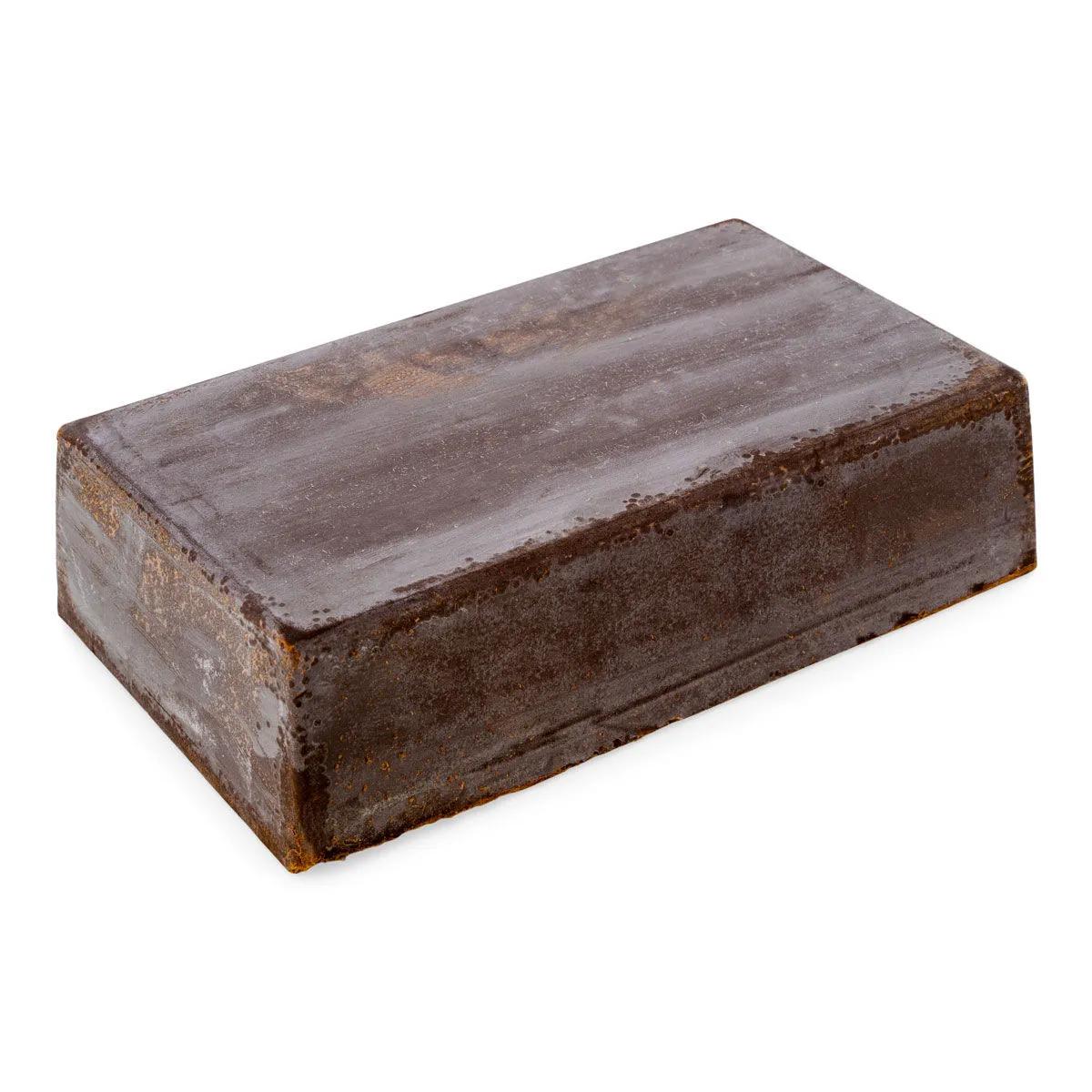
Raw Cacao Paste from Peru is a 500 g block of pure, unroasted Criollo cacao that you melt down for ceremonial drinks, hot chocolate, or cooking. Made from organic Peruvian beans, cold-pressed and minimally processed, this is the same kind of paste used in cacao ceremonies across Amsterdam and beyond. One block gives you roughly 12 ceremonial servings or a small mountain of homemade brownies.
What makes this Peruvian Criollo cacao paste different
Criollo is the fine-flavour bean — about 5% of global cacao production, grown mostly in small pockets of South America. The beans in this paste come from small farms in Peru where growers use sustainable techniques, which keeps the soil alive and the surrounding forest standing. Unroasted and cold-pressed means the fats, polyphenols and aromatic compounds stay intact, so you get the bitter-fruity, slightly floral character that ceremonial cacao is known for — not the dark, roasted bitterness of a baking chocolate bar.
The paste is 100% cacao. No sugar, no lecithin, no vanilla, no milk solids. Just ground beans pressed into a solid block. That means it's bracingly bitter on its own — you sweeten and spice it yourself, the way you'd want to.
Ceremonial cacao vs eating chocolate — know what you're buying
This isn't a snack bar. A block of ceremonial-grade paste has a different job than a Tony's Chocolonely. The closest sibling we stock is the Raw Cacao Drops - Peru (300 g pack of small drops from the same Criollo origin). The drops are easier to portion — handy if you're making one cup at a time. The 500 g paste block is better value per gram and the format ceremony facilitators tend to ask for, because you chop a known weight off the block and melt it down.
| Format | Best for |
|---|---|
| 500 g paste block (this product) | Ceremonies, batch brewing, baking, sharing |
| 300 g drops | Single cups, easy portioning, daily use |
How much to use — the ceremonial dose vs the everyday cup
Ceremonial cacao facilitators typically work with around 42 g of paste per 250 ml of liquid — that's the dose most ceremony guides reference for the full emotional and physical character of the drink (Old Faithful Cacao, ceremonial dosing guide). For an everyday warming cup, 15–30 g is plenty. The 500 g block gives you roughly 12 ceremonial servings or 20+ everyday cups.
| Use case | Amount per cup | Servings per 500 g |
|---|---|---|
| Ceremonial dose | ~42 g | ~12 |
| Daily warming drink | 20–25 g | ~22 |
| Light tasting cup | 15 g | ~33 |
| Baking / desserts | varies | — |
Cacao is not psychotropic. It's traditionally used in ceremony as a heart-opening, grounding tool that pairs well with breathwork, ecstatic dance, meditation or sound journeys. The active compounds — theobromine, caffeine, and a cluster of polyphenols — give you a gentle stimulating lift, not a head-change. According to a 2013 review (Sokolov et al., Neuroscience & Biobehavioral Reviews), cocoa flavanols improved visual contrast sensitivity and reaction time on motion-detection tasks — observable cognitive effects, not anything dramatic.
How to use Raw Cacao Paste
- Chop or grate the amount you need off the block — 42 g for ceremonial, 20–25 g for an everyday cup. A heavy knife works; the block is firm at room temperature.
- Heat 200–250 ml of water, plant milk, or a mix to just below simmering. Don't boil — high heat damages the delicate aromatics.
- Add the chopped paste and stir until fully dissolved (2–3 minutes). A whisk or milk frother helps.
- Sweeten and spice to taste. Common pairings: a pinch of sea salt, cinnamon, cayenne, cardamom, vanilla, honey, coconut sugar, or maple syrup.
- Sip slowly. Ceremonial drinkers usually take 20–30 minutes over one cup. Effects build over 20–40 minutes.
For baking: melt the paste gently over a bain-marie and use it like unsweetened baker's chocolate. It works in brownies, truffles, raw cacao bliss balls, mole sauce, and chilli con carne.
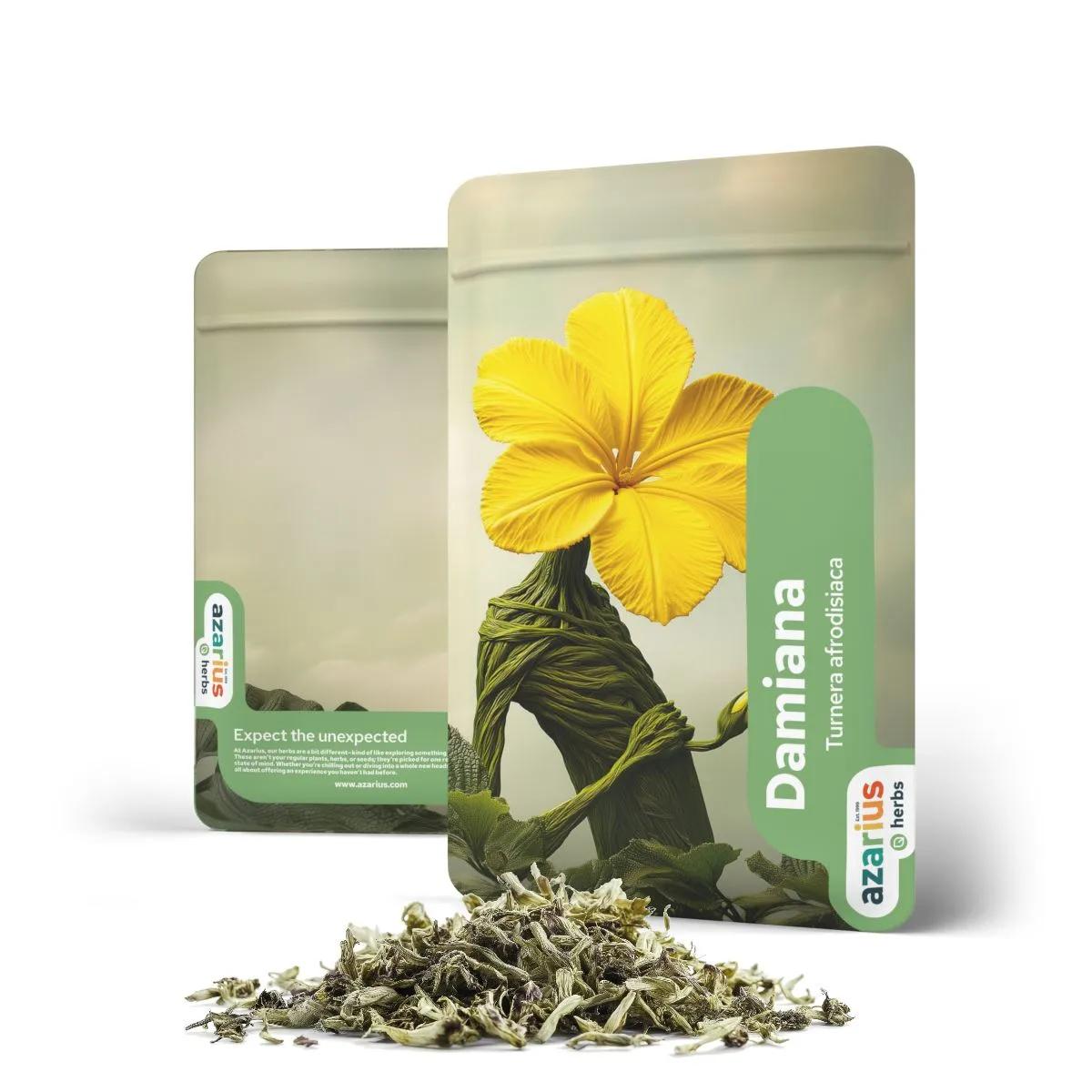
Pairs well with our Blue Lotus tea for evening ceremonies, or with Damiana for a warming spiced cacao blend. If you prefer pre-portioned servings, the Raw Cacao Drops - Peru are the same beans in drop form.
Honest limitations — what to watch out for
Cacao is genuinely stimulating. According to Keith's Cacao dosage guidance, ceremonial doses (40 g+) can cause restlessness or trouble sleeping if you drink them too late in the day — afternoon at the latest if you're sensitive. The theobromine half-life is around 7 hours.
A few interactions worth knowing:
- MAOI antidepressants — cacao (and all chocolate) contains tyramine. The standard ceremonial cacao community guidance is that MAOIs and cacao don't mix. If you're on any MAOI, skip cacao entirely.
- Antipsychotics and SSRIs — talk to your prescriber before going near a ceremonial dose. Daily-cup amounts (15–25 g) are a different story than a 42 g ceremonial pour.
- Heart conditions, high blood pressure, pregnancy — keep doses modest and consult a doctor before ceremony-sized servings.
- Caffeine sensitivity — a ceremonial cup contains roughly the caffeine of a weak coffee, plus a much larger dose of theobromine. Start with a half-portion if you're caffeine-shy.
The bitter taste catches new drinkers off guard. From our counter: people who expect hot chocolate and get unsweetened ceremonial cacao often pull a face on the first sip. Add a little sweetener and a pinch of salt — it transforms the cup without dulling the character.
Storage and shelf life
Keep the block in a cool, dry, dark place — ideally below 20°C. Cacao paste doesn't need refrigeration and actually doesn't love it (condensation causes bloom). Wrapped tightly, the block keeps its character for 18–24 months. The high cacao butter content is naturally stable; you'll see a slight white bloom if it gets warm and re-cools, which is harmless and disappears once you melt it.
Specifications
| Origin | Peru — small organic farms |
| Bean variety | Criollo (fine-flavour, ~5% of world cacao) |
| Processing | Unroasted, cold-pressed, minimally processed |
| Ingredients | 100% cacao paste — nothing else |
| Format | Solid block |
| Weight | 500 g |
| Farming | Organic, sustainable, smallholder |
| Ceremonial servings per block | ~12 (at 42 g each) |
| Everyday servings per block | ~22 (at 22 g each) |
| Psychoactive | No — gentle stimulant only |
Frequently Asked Questions
How do you use a block of raw cacao paste?
Chop or grate the amount you need off the block, then melt it into hot (not boiling) water or plant milk. Use ~42 g per 250 ml for a ceremonial cup, or 20–25 g for an everyday drink. Sweeten and spice to taste — salt, cinnamon, cayenne, and honey are classics.
Will ceremonial cacao get me high?
No. Cacao is not psychotropic. It contains theobromine and a small amount of caffeine, which give a gentle stimulating, heart-opening effect — closer to a strong tea than anything psychedelic. People use it to deepen meditation, dance, or breathwork, not to alter consciousness chemically.
What's the difference between this paste and cacao powder?
Paste is the whole ground bean, fat included (around 50% cacao butter). Powder has had most of the cacao butter pressed out. Paste makes a richer, creamier, fattier drink and is the traditional format for ceremonial cacao — powder is better suited to smoothies and baking where you don't want extra fat.
Can I bake with ceremonial cacao paste?
Yes — it works like unsweetened baker's chocolate. Melt it gently over a bain-marie and use in brownies, truffles, raw bliss balls, or savoury dishes like mole. You'll get a richer, more complex flavour than supermarket baking chocolate because the beans are unroasted Criollo.
How long does the 500 g block last?
For ceremonial use (~42 g per cup), about 12 servings. For everyday warming drinks (~22 g per cup), 20+ servings. Stored cool, dry and dark, the block keeps its character for 18–24 months unopened.
Is raw cacao paste safe with antidepressants?
If you're on MAOI antidepressants, skip cacao entirely — it contains tyramine, which doesn't combine with MAOIs. For SSRIs, antipsychotics or other psychiatric medication, talk to your prescriber before drinking ceremonial doses. Daily-cup amounts are a different scale than a 42 g ceremonial pour.
Last updated: April 2026