Culture Syringes
by Acid Shroomz
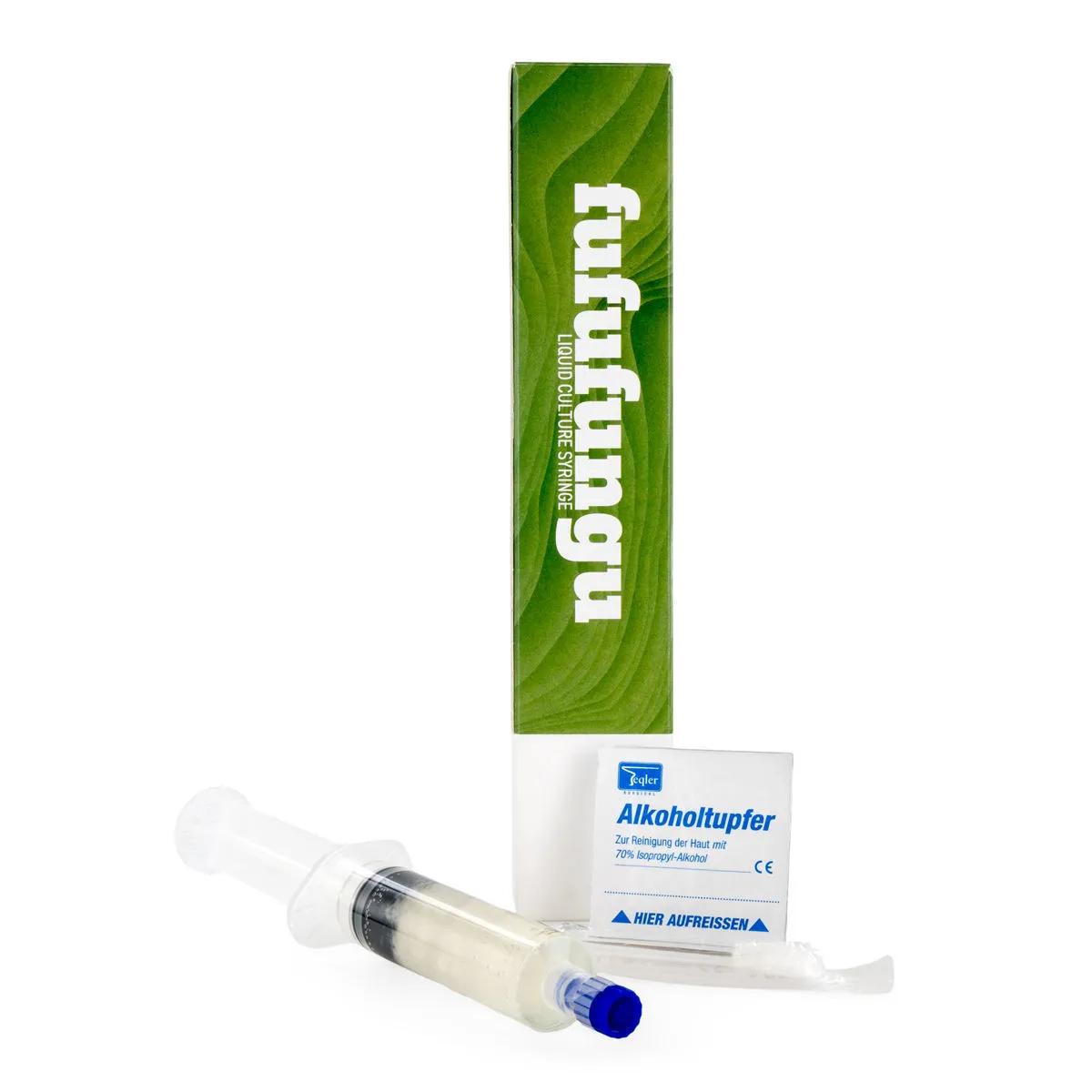
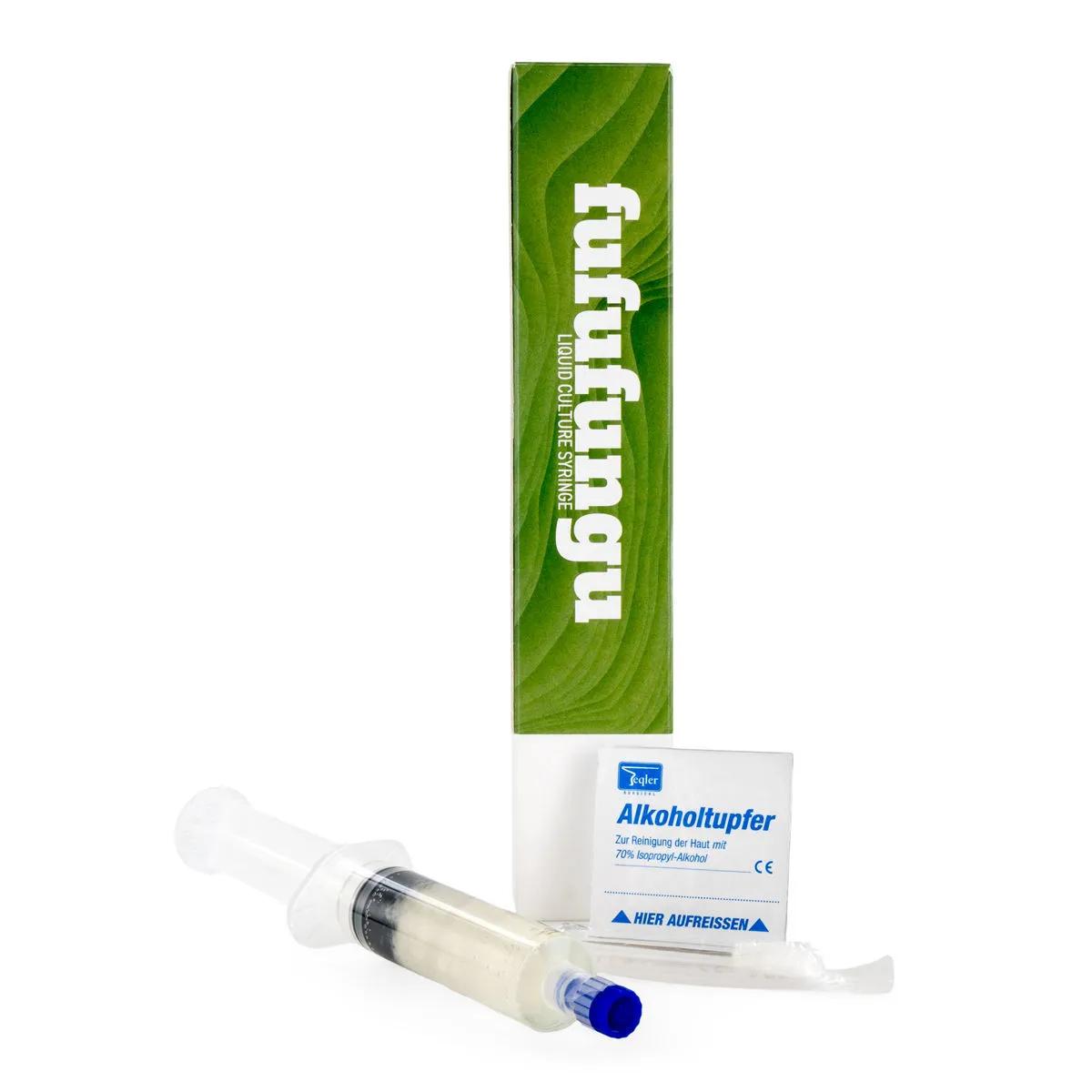
The Psilocybe azurescens liquid culture syringe from Acid Shroomz is a ready-to-inoculate cultivation tool that gives you a genuine head start with one of the most potent psilocybin-producing species on the planet. Native to the coastal dunes and wood chip beds of the Pacific Northwest, P. azurescens has a well-earned reputation for being stubborn indoors — but with viable liquid culture rather than a spore syringe, you skip the germination lottery and start with actively growing mycelium. That difference matters when you're working with a species this demanding.
Liquid culture contains living mycelium suspended in a nutrient broth — not dormant spores waiting to germinate. For a species like Psilocybe azurescens, which is notoriously slow to colonise and unforgiving of contamination, that running start is the difference between a successful outdoor patch and a frustrating season of waiting for nothing. Spore syringes work brilliantly for Psilocybe cubensis strains, but azurescens plays by different rules.
With this 10 ml syringe from Acid Shroomz, you're injecting culture that's already viable and hungry. Colonisation times drop, contamination windows shrink, and you get a more consistent genetic profile across your patch. We've seen growers struggle for years with azurescens spore prints only to nail it on the first attempt with liquid culture. It's not magic — well, technically it is — but the biology is straightforward: living mycelium outcompetes contaminants faster than germinating spores can.
| Spec | Value |
|---|---|
| Brand | Acid Shroomz |
| Species | Psilocybe azurescens |
| Product type | Liquid culture syringe |
| Volume | 10 ml |
| SKU | SH0172 |
| Cultivation method | Outdoor (wood chips, sandy soil) |
| Natural habitat | West Coast USA, coastal dunes, decomposing wood |
| Cap shape | Conic to convex, flattening with age |
| Cap colour | Brown (caramel to chestnut) |
| Stem | Fine, milky white |
| Bruising colour | Blue to deep indigo |
| Preferred substrate | Hardwood chips (alder, beech), sandy soils |
| Fruiting temperature | 2–8 °C (cold-weather fruiting) |
| Storage | Refrigerate at 2–4 °C, use within 2 months |
Complete your outdoor grow setup with a bag of sterilised hardwood chips for substrate preparation — alder or beech work best for Psilocybe azurescens. A pressure cooker for pasteurising your wood chips and a pair of nitrile gloves for sterile handling round out the essentials. If you're new to mushroom cultivation altogether, a Psilocybe cubensis grow kit is a solid training run before tackling azurescens outdoors.
Most cultivators start with cubensis — and for good reason. It's forgiving, fast, and fruits indoors without drama. But there's a point where you want something that pushes your skills, and Psilocybe azurescens is exactly that challenge. Found naturally along the Oregon and Washington coastlines, growing among dune grasses (particularly Ammophila maritima) and in forest soils thick with decomposing wood, this species has adapted to cold, wet conditions that are nothing like a monotub in your spare room.
The honest limitation: you cannot reliably fruit azurescens indoors. We've seen people try with cold rooms, modified fridges, and elaborate climate controllers. Some get a few pins. Most get heartbreak. This species wants genuine outdoor conditions — autumn rains, cold nights dropping to 2–8 °C, and a substrate of real hardwood chips breaking down over months. If you live in a climate with mild, wet autumns, you're in business. If you're in a Mediterranean climate with dry winters, you'll struggle.
What makes the effort worth it? Psilocybe azurescens is widely considered the most potent wood-loving psilocybin species. The visual payoff is real too — those caramel-brown caps with their distinctive conic shape, sitting on slender white stems that bruise a deep indigo when handled. Pick one up and you'll see the blue creeping across the flesh within seconds. That bruising reaction is oxidised psilocin, and it's your first visual confirmation that you've grown something genuinely special.
We get asked about identification more than almost anything else with this species, and rightly so. Outdoor cultivation means your patch will attract other fungi — it's not a sealed monotub. The critical identification points: Psilocybe azurescens produces a dark purplish-brown spore print (Galerina produces rusty brown). The caps bruise blue to indigo; Galerina does not bruise blue. The stems of azurescens are silky white and fibrous; Galerina stems often have a partial ring and feel more fragile.
If you're new to mushroom identification, get a field guide specific to psilocybin species and practise taking spore prints before your first harvest. A spore print takes 6–12 hours — lay the cap gill-side down on white paper, cover with a glass, and wait. That purplish-brown deposit is your confirmation. Never skip this step. We've been selling cultivation supplies since 1999, and the one piece of advice we repeat more than any other is: when in doubt, don't eat it.
First-year yields from azurescens are modest — you might get a small cluster of 5–15 mushrooms from a well-colonised bed. The real payoff comes in year two and beyond, as the mycelium network expands through the substrate and surrounding soil. Established patches can fruit reliably for 3–5 years with minimal maintenance, just topping up with fresh wood chips annually.
The fruiting window is narrow: late October through December in most temperate European climates, triggered by sustained temperatures below 10 °C and consistent rainfall. You'll spot pins appearing after a few days of cold rain, developing into mature fruit bodies within 5–7 days. Harvest by twisting gently at the base rather than cutting — this minimises damage to the mycelium below.
One thing we'd flag: azurescens can spread beyond your intended patch. The mycelium colonises surrounding wood debris, garden borders, even the edges of wooden raised beds. This isn't a problem — it's actually a sign of healthy growth — but be aware that mushrooms may pop up in unexpected spots. Every one of them needs proper identification before consumption.
Store the liquid culture syringe in the fridge at 2–4 °C immediately upon receipt. The mycelium remains viable for approximately 2 months under refrigeration, though sooner is always better — fresh culture colonises faster and competes more aggressively against contaminants. Don't freeze the syringe; ice crystals rupture the mycelial cells. If you notice the liquid turning cloudy, developing an off smell, or showing unusual colours (green, black, bright yellow), the culture may be contaminated — don't use it.
Not reliably. This species requires cold-weather fruiting conditions (2–8 °C) and a natural substrate of decomposing hardwood. Indoor attempts rarely produce more than a few pins. Outdoor wood chip beds in shaded, moist locations are the proven method.
A spore syringe contains dormant spores that must germinate and form mycelium before colonisation begins. Liquid culture contains living, actively growing mycelium in nutrient solution — giving you a faster start and more consistent results, especially with slow-colonising species like P. azurescens.
Expect 6–18 months from inoculation to first fruiting. Spring inoculation typically produces the first flush the following autumn when temperatures drop below 10 °C. Established patches fruit more heavily in subsequent years.
Three key differences: azurescens bruises blue to indigo (Galerina does not), azurescens produces a purplish-brown spore print (Galerina produces rusty brown), and azurescens caps are caramel-brown and conic (Galerina caps are smaller and more honey-coloured). Always take a spore print before consuming any wild or outdoor-grown mushroom.
Untreated hardwood chips — alder, beech, and maple are top choices. Sandy soils enriched with wood debris also work well, mimicking the species' natural dune-grass habitat along the Pacific Northwest coast. Avoid softwood chips (pine, cedar) as the resins inhibit mycelial growth.
Azurescens is significantly stronger. Published analyses report psilocybin concentrations of up to 1.78% dry weight, compared to 0.6–0.8% for most cubensis strains. Dose accordingly — what feels moderate with cubensis could be overwhelming with azurescens.
Yes, and it will. Outdoor beds are open ecosystems. You'll likely see other fungi colonising your wood chips alongside the azurescens. This is normal and expected — just makes proper identification before harvest absolutely non-negotiable.
Last updated: April 2026
Medical disclaimer. This content is for informational purposes only and does not constitute medical advice. Consult a qualified healthcare provider before use of any substance.