
Session vs On-Demand Vaporizers: Which Style Fits?
Definition
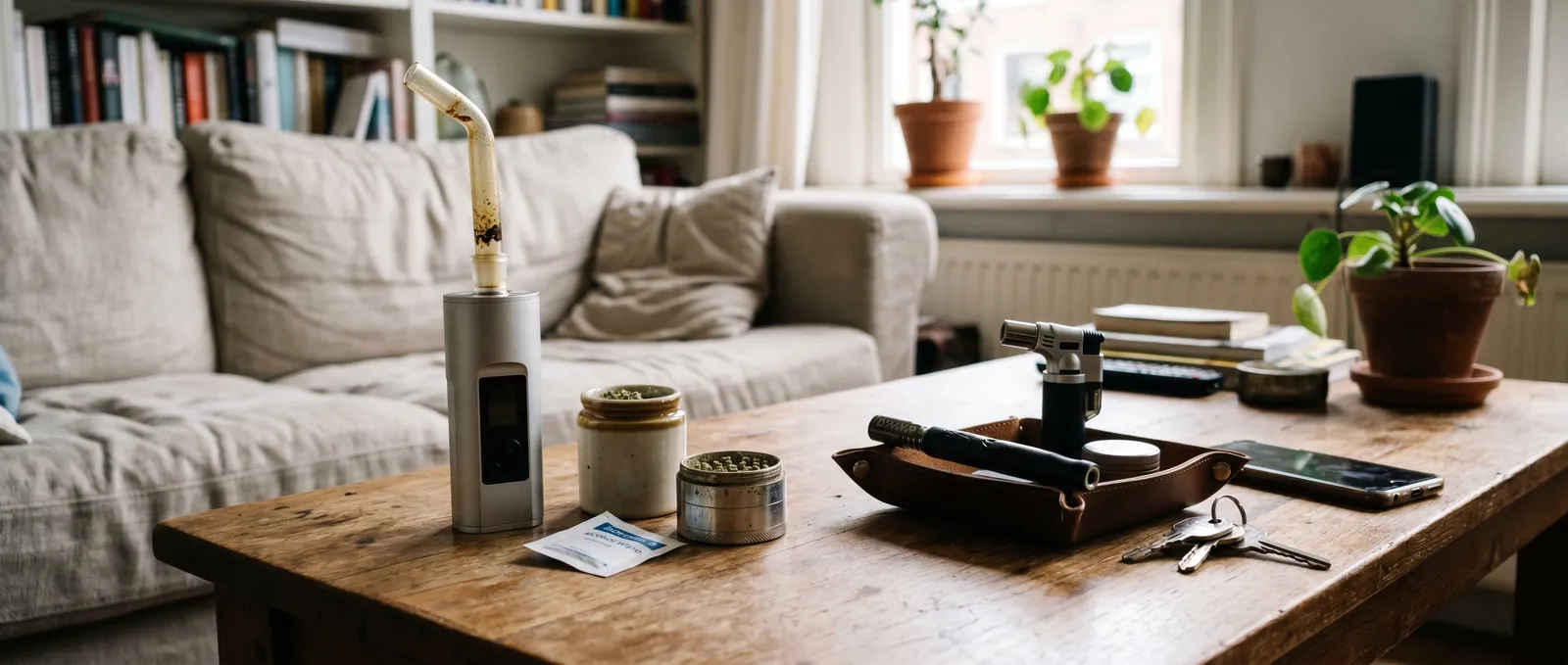
Session vaporizers heat herb continuously for a fixed cycle, while on-demand models fire only during a draw and stop immediately. A 2016 study by Lanz et al. found convection-dominant devices — the heating method most on-demand portables use — extracted cannabinoids more selectively at lower temperatures. Choosing between them comes down to how, when, and how often you vape.
Session vs On-Demand at a Glance
If you've ever loaded a bowl, pressed the power button, and then realised you only wanted two draws before heading out the door — you already understand why this distinction matters. Session vaporizers heat your herb to a set temperature and keep it cooking for a fixed cycle (typically 3–10 minutes), regardless of whether you're actively inhaling. On-demand vaporizers only fire the heater when you draw or press a button, then stop immediately. Same plant material, fundamentally different approach to extracting it. This guide is written for adults (18+) choosing between the two styles for dry-herb use.
| Dimension | Session | On-Demand |
|---|---|---|
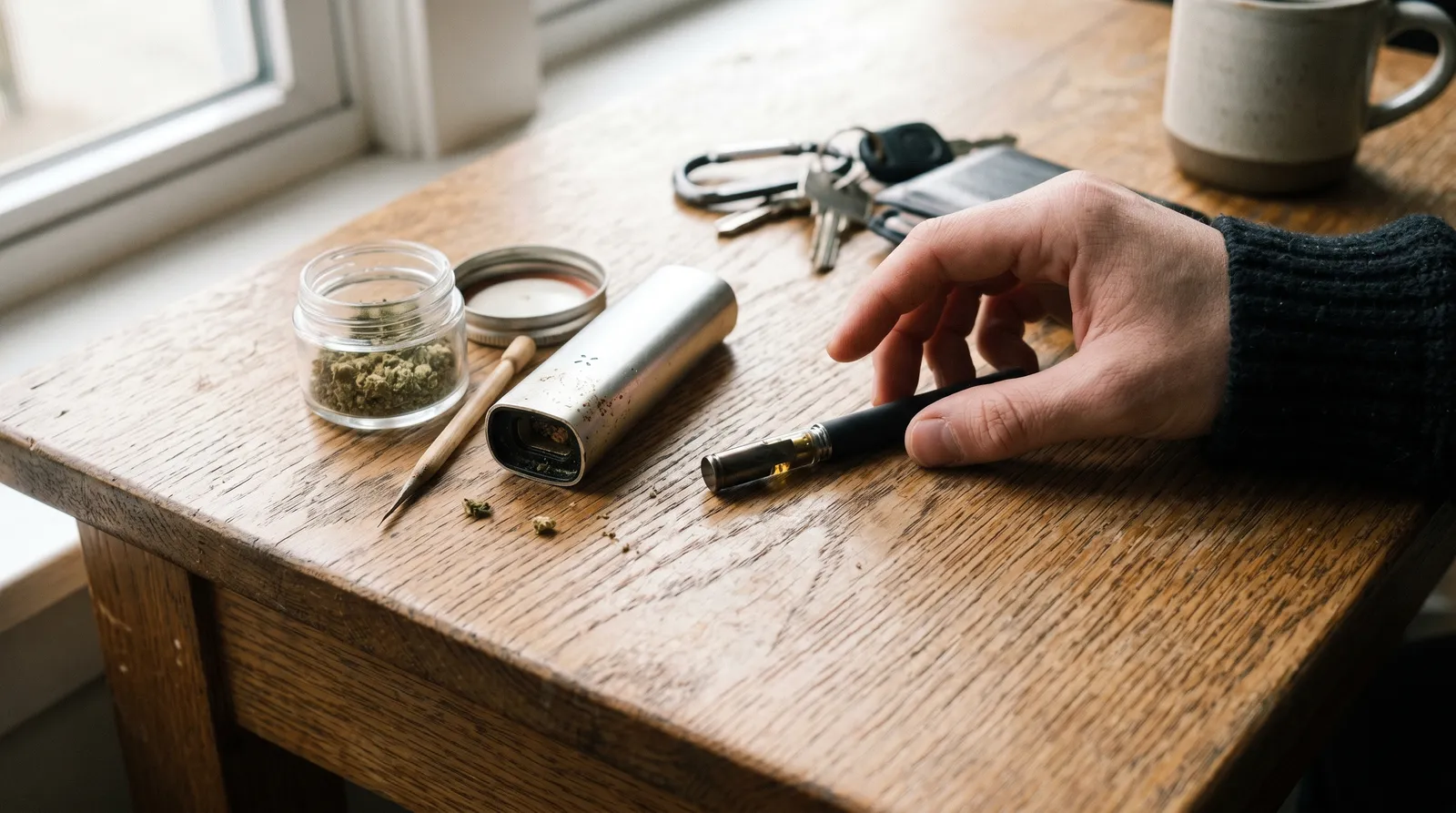
| Heating behaviour | Continuous heat for a set cycle (3–10 min) | Heat on draw/button only; cools between hits |
| Heat-up time | 15–90 seconds to reach set temp | 1–5 seconds per draw |
| Typical heating method | Conduction or hybrid | Convection or manual thermal (butane) |
| Chamber size | 0.15–0.3 g (designed to fill) | 0.05–0.15 g effective per hit |
| Material efficiency | Lower — herb roasts between draws | Higher — extraction pauses with you |
| Battery drain per use | Higher (heater runs continuously) | Lower per hit; varies with frequency |
| Technique required | Minimal — turn on and inhale | Moderate to high — draw speed, timing matter |
| Best scenario | Relaxed, uninterrupted 5–10 min sit-down | Quick single draws spread across an evening |
| Stocked examples | Storz and Bickel Mighty, Crafty; Arizer Solo, Air; PAX 3; DaVinci IQ2; Boundless CFX; XMAX V3; Flowermate V5 Mini; Healthy Rips Fury Edge | DynaVap M, OmniVap; TinyMight 2 (also has session mode) |
What Session Mode Actually Means
A session vaporizer works like an oven. You pack the chamber, set a temperature, and the device heats the herb to that point and holds it there. Most units run for a fixed cycle — the Storz and Bickel Mighty, for instance, maintains temperature for about 2 minutes of idle time before auto-shutoff kicks in, and you can restart with a button press. The Arizer Solo and Air lines use a 10–15 minute session timer. The PAX 3 heats in roughly 15–20 seconds and then keeps cooking until you switch it off or it times out.
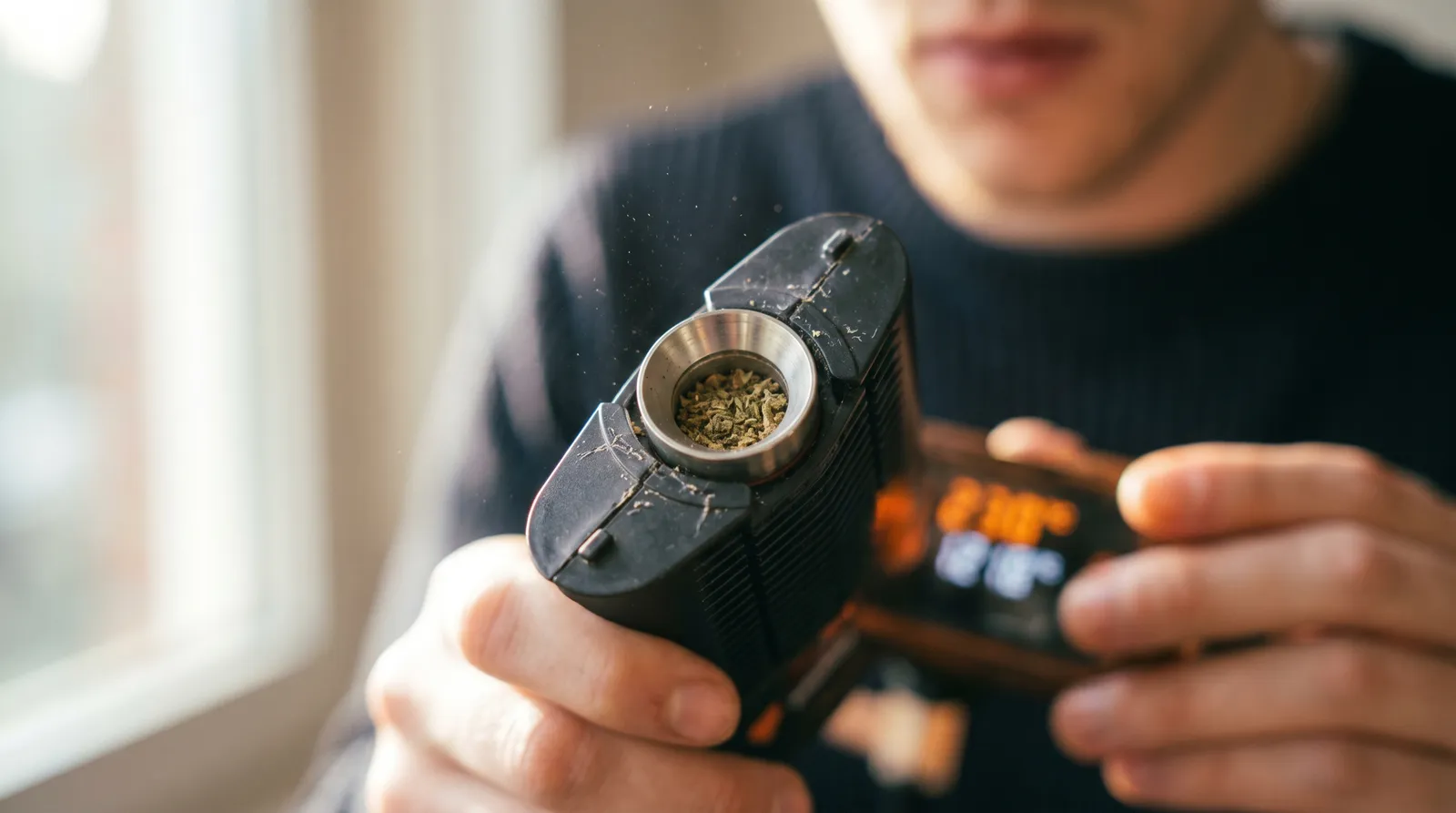
The upside is simplicity. You don't need to learn a technique. Press the button, wait for the vibration or light, and inhale at whatever pace you like. For a shared session — passing a vaporizer around a table — this is far easier than explaining draw technique to someone who's never used one. A 2015 study by Hazekamp et al. found that balloon-style desktop vaporizers (like the Storz and Bickel Volcano) delivered consistent cannabinoid concentrations across sequential draws, which partly explains why session devices dominate the desktop category.
The downside is waste. Between your inhales, the heater is still on and volatile compounds are still evaporating — drifting off into the air or degrading from sustained heat exposure. If you pack a full chamber but only want a couple of draws, you're effectively cooking off material you won't consume. That's fine if you plan to sit down and finish the bowl. It's less fine if your phone rings mid-session.
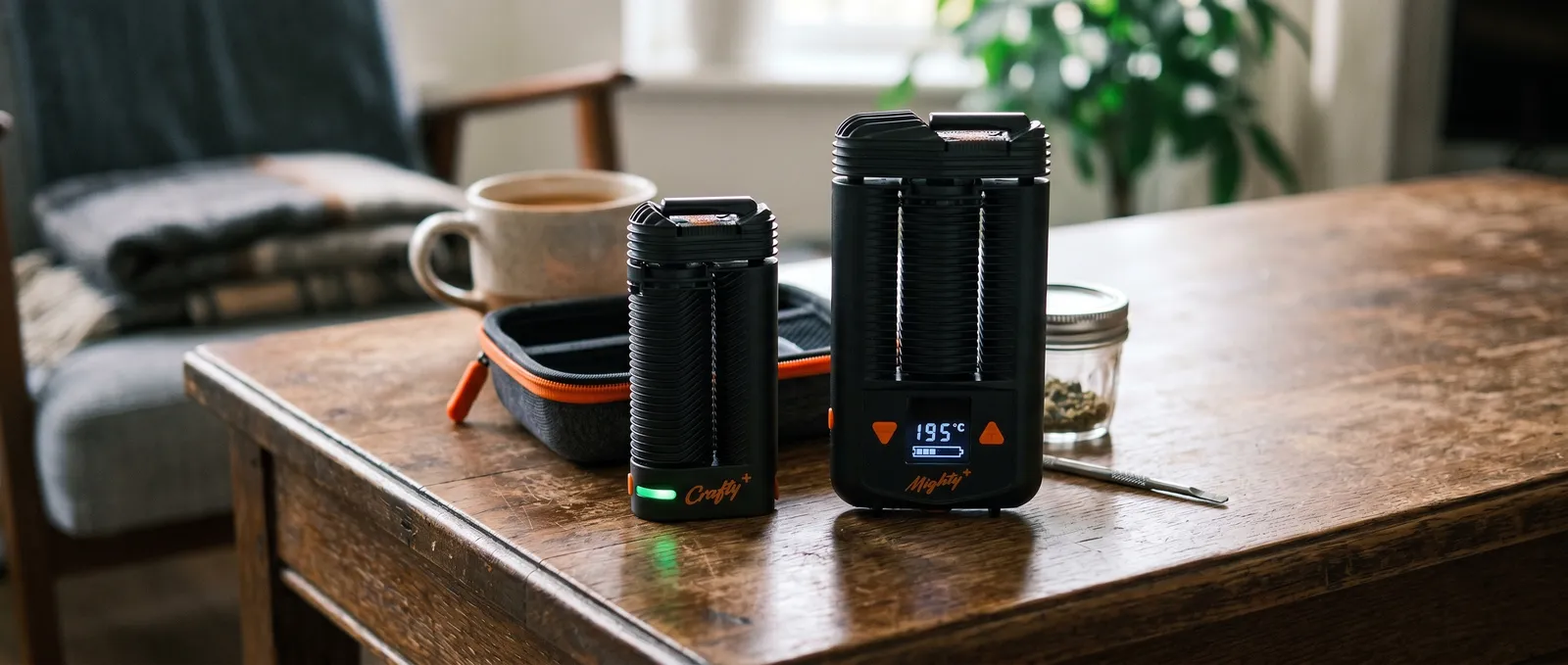
Conduction heating — where the herb sits directly on a hot surface — dominates the session category. It's simpler to engineer, cheaper to manufacture, and produces reliable vapour without requiring precise airflow. The DaVinci IQ2, Boundless CFC, XMAX Starry, and Flowermate Aura all use conduction ovens. Hybrid designs like the Mighty and Crafty combine a conduction oven floor with convection airflow through the herb, which tends to produce more even extraction and better flavour across the session.
What On-Demand Mode Actually Means
An on-demand vaporizer only heats when you tell it to — either by pressing a button or, in the case of the DynaVap, by applying a flame to the cap. The moment you stop drawing (or release the button), the heater cuts and the herb starts cooling. Your material sits there, partially extracted, waiting for the next hit. You could take one draw now, put the device down for twenty minutes, and come back for another without having wasted anything in between.
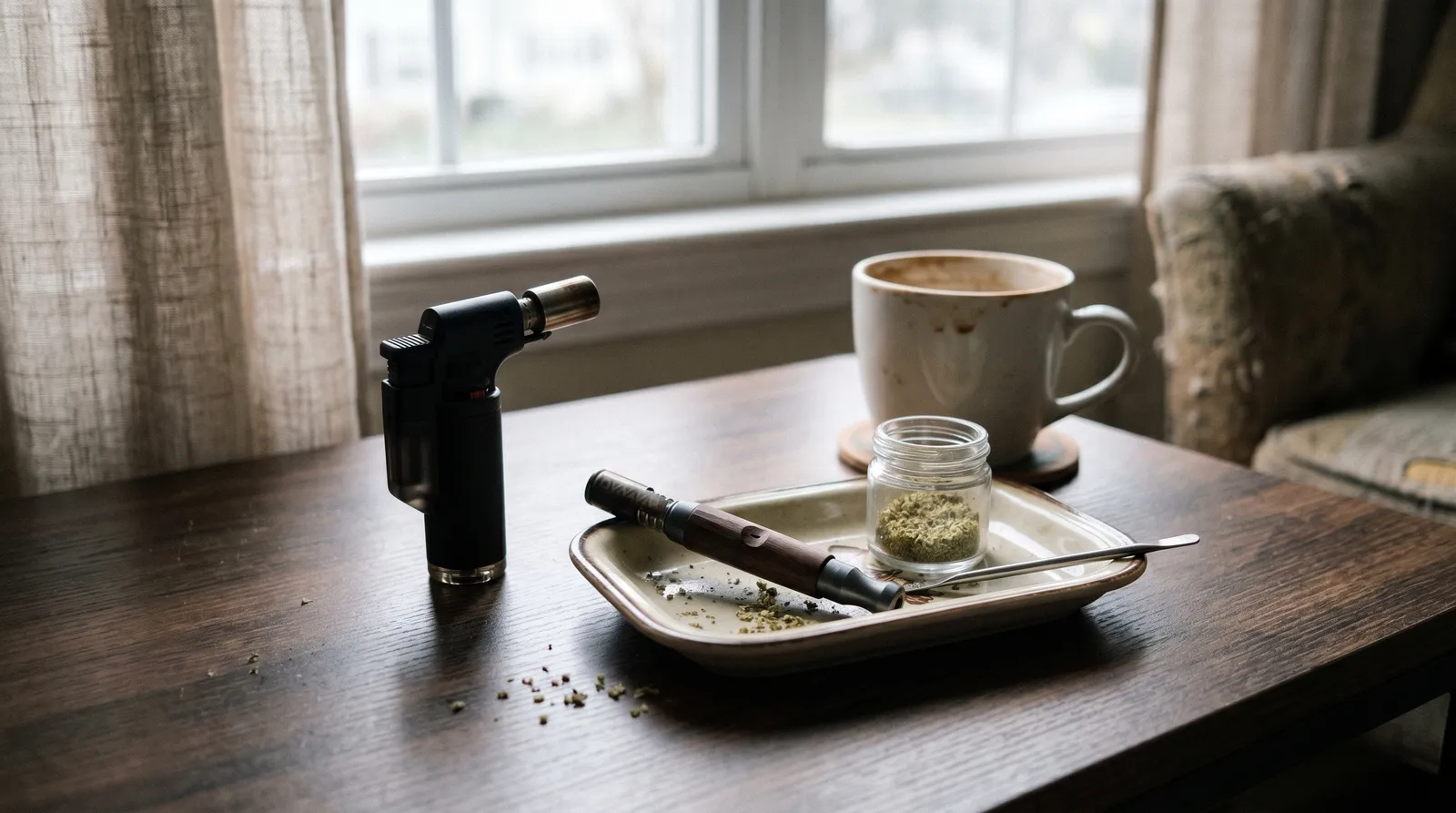
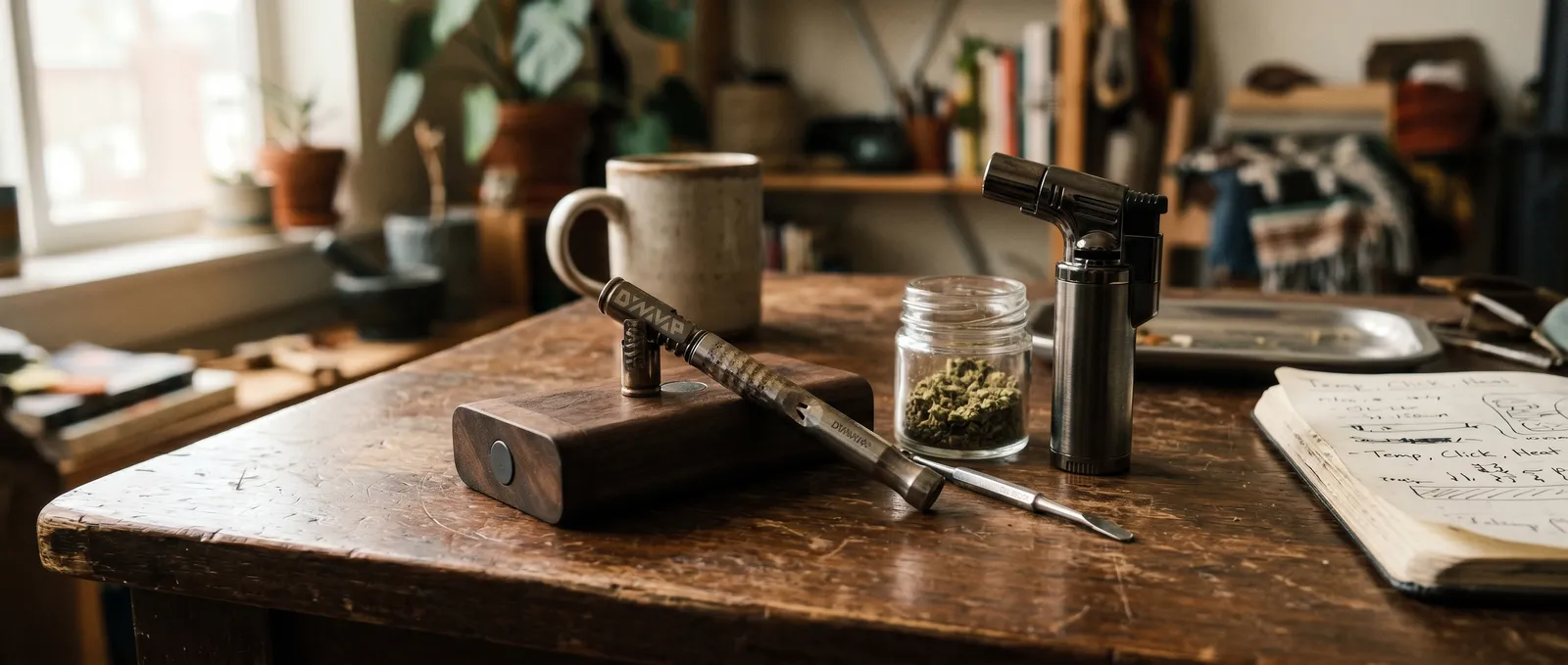
The DynaVap M is the most literal example: you heat the stainless-steel cap with a butane torch until it clicks (indicating the chamber has reached vaporisation temperature), then inhale. The click-to-click cycle takes roughly 5–10 seconds of heating. No battery, no electronics, no session timer. The TinyMight 2 does the same thing electronically — a powerful convection heater fires on demand, reaching extraction temperature in about 3–5 seconds, and stops when you release the button. It also offers a switchable session mode, which makes it one of the few portables that genuinely straddles both categories.
Convection heating is the natural fit here. Hot air passes through the herb only during the draw, extracting compounds without sustained contact heat. This tends to preserve terpene profiles better in the early draws — you get more of those flavour-forward, low-temperature compounds before they've been baked off. A study by Lanz et al. (2016) examining vaporiser efficiency found that convection-dominant devices extracted cannabinoids more selectively at lower temperatures compared to conduction ovens running at the same set point.
The trade-off is technique. On-demand convection vaporizers are sensitive to draw speed: too fast and you cool the air before it extracts properly; too slow and you get thin, wispy vapour. The DynaVap adds its own learning curve — heating position on the cap, flame distance, and rotation speed all affect results. None of this is difficult once you've done it a dozen times, but it's a steeper first-five-minutes than pressing a button on a Mighty.
Efficiency and Material Use
This is where on-demand devices genuinely pull ahead for light or intermittent users. If you consume small amounts spread across a day — a draw in the morning, another after work, a third before bed — an on-demand vaporizer lets you load once and extract incrementally. A session device would require either micro-dosing a partially filled oven (which most conduction chambers don't handle well, since the herb needs to contact the walls for even heating) or committing to a full session each time.
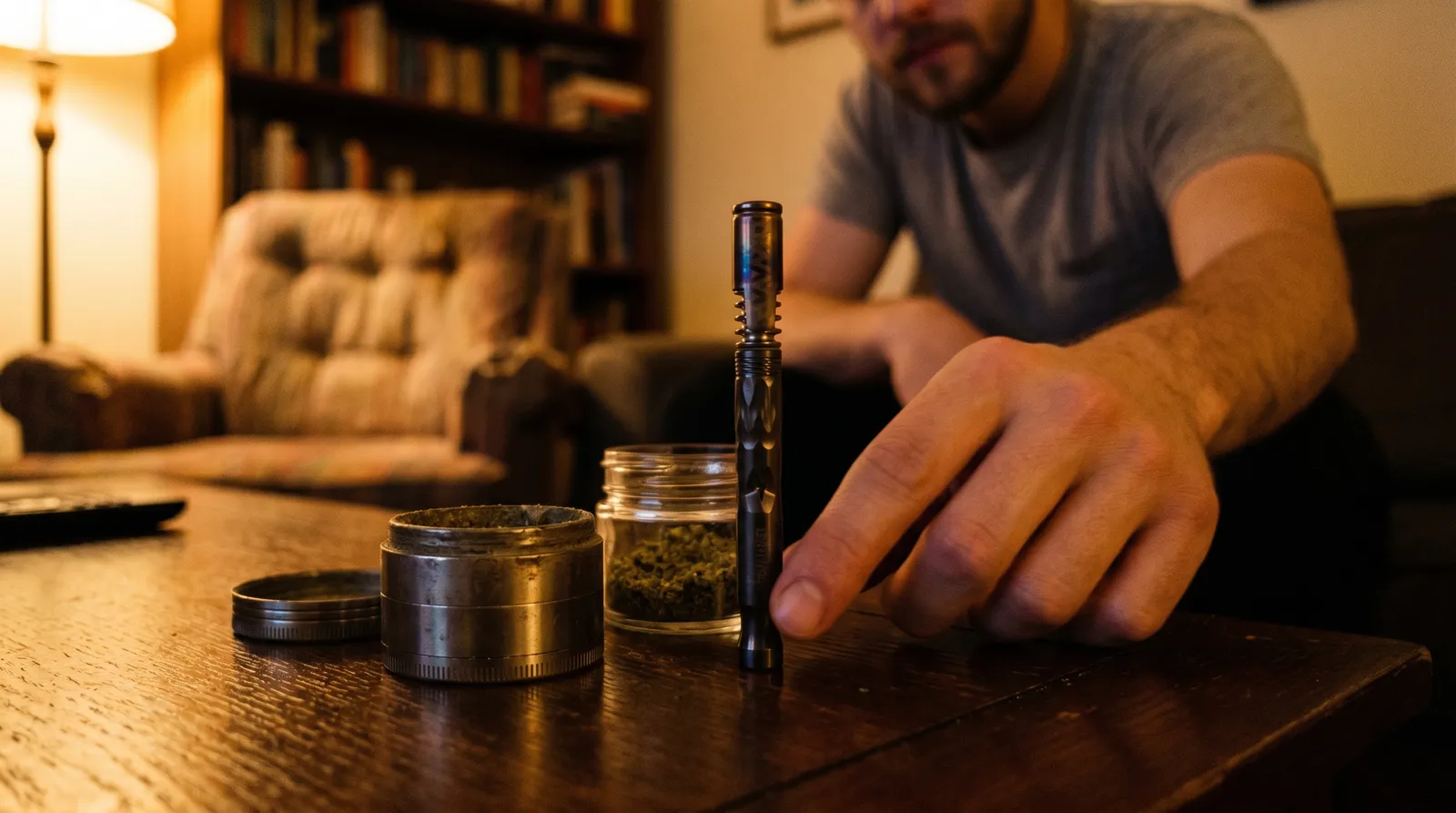
The DynaVap's chamber holds roughly 0.1 g, and many users report getting 2–4 heating cycles from a single pack before the material is spent. The TinyMight 2's chamber is similarly small. Compare that to the Mighty's 0.2–0.3 g oven or the PAX 3's roughly 0.25 g chamber — both designed to be fully packed for optimal airflow and conduction contact. If you're only consuming 0.1 g per sitting, you'll go through material noticeably faster in a session device than an on-demand one, simply because the oven keeps cooking between draws.
That said, session vaporizers extract more completely in a single sitting. By the end of a 5–8 minute session on a Mighty, the herb is uniformly dark brown — there's very little left to extract. On-demand users sometimes find uneven extraction (the outer layer darker than the centre), especially with convection portables where airflow paths aren't perfectly uniform. Stirring the chamber between heat cycles helps, though it's not always practical on the go.
The DynaVap shelf in the shop splits people instantly: half pick it up and love the analogue feel of it, the weight of the stainless steel, the satisfying click. The other half put it back down and say "I just want to press a button." Neither group is wrong — it's genuinely the fastest way to figure out which camp you're in.
Battery Life and Portability
Session vaporizers draw more power per use because the heater runs continuously. The Mighty's battery lasts roughly 60–90 minutes of active heating, which translates to about 8–10 full sessions. The Crafty, being smaller, manages fewer sessions per charge. The Arizer Air and Solo lines use replaceable 18650 cells, which is a genuine advantage — you can carry a spare and swap mid-day. (Standard 18650 safety applies: carry spares in a protective case, never loose in a pocket with keys or coins.)
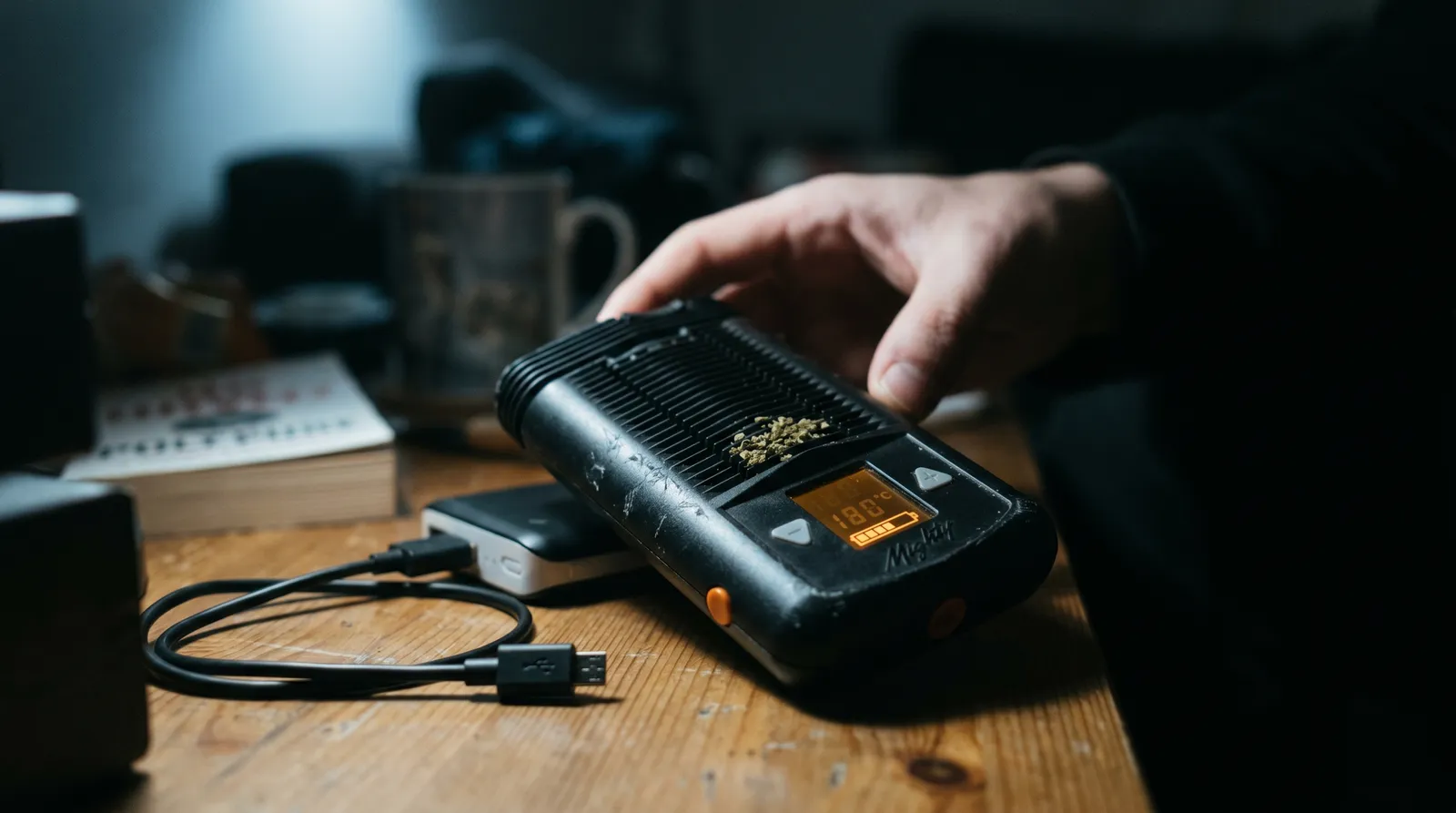
On-demand electronic vaporizers like the TinyMight 2 use less energy per individual hit, but if you're taking many hits throughout the day, total consumption can approach session-device levels. The DynaVap sidesteps the battery question entirely — it runs on butane, which means carrying a small torch but never worrying about charge levels. For travel or long days away from a power source, that's a real practical advantage.
Size-wise, both categories span a similar range. The DynaVap M is barely larger than a pen. The TinyMight 2 is compact but chunkier. Session portables range from the slim PAX 3 to the brick-like Mighty. Desktop session vaporizers — the Storz and Bickel Volcano, the Arizer Extreme Q — are a different proposition entirely: mains-powered, no battery concerns, designed to sit on a table and fill bags or run whip tubing.
Flavour and Temperature Control
On-demand convection devices generally deliver better flavour on the first few draws. Because the herb hasn't been sitting on a hot surface, the initial hit captures low-boiling-point terpenes — myrcene, limonene, pinene — that degrade quickly under sustained heat. By draw three or four on a session conduction vaporizer, those lighter terpenes are largely gone and you're into the heavier, earthier compounds.
Session devices with precise digital temperature control (the Mighty, DaVinci IQ2, Arizer Solo) let you step through temperatures across a session — starting at 170°C for flavour, ramping to 195–210°C for fuller extraction. This temperature-stepping technique partially compensates for the terpene loss, since you're deliberately targeting different compound groups at different stages.
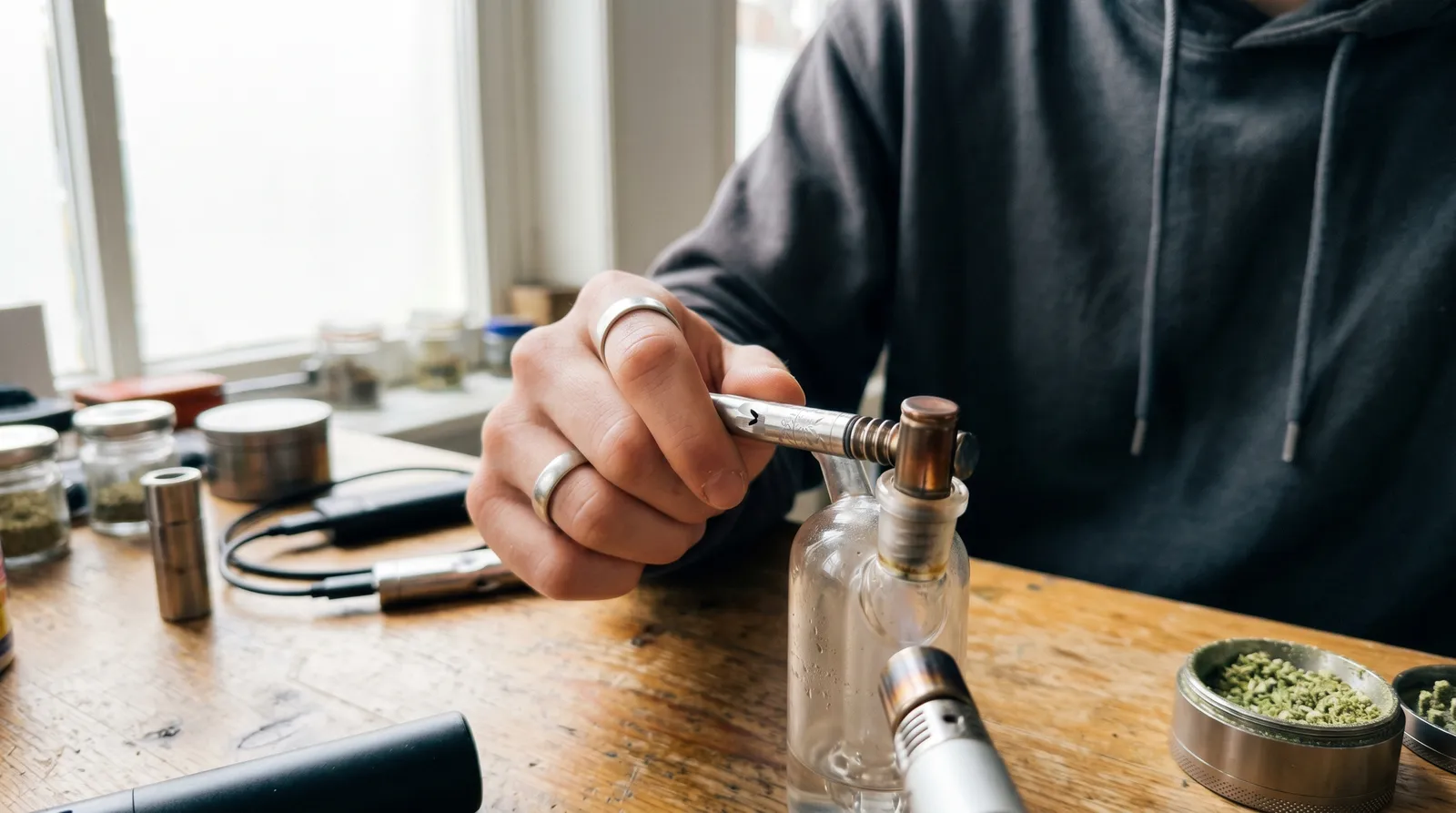
The DynaVap's temperature control is less precise but surprisingly tuneable: heating the tip of the cap produces lower temperatures (more flavour), while heating closer to the base produces higher temperatures (denser vapour). It takes practice, and results vary with torch quality and ambient temperature — there's no digital readout telling you where you are. The TinyMight 2 offers digital temperature selection, giving you convection precision without the guesswork.
Which Style Fits Your Use
Neither category is objectively better. They solve different problems.
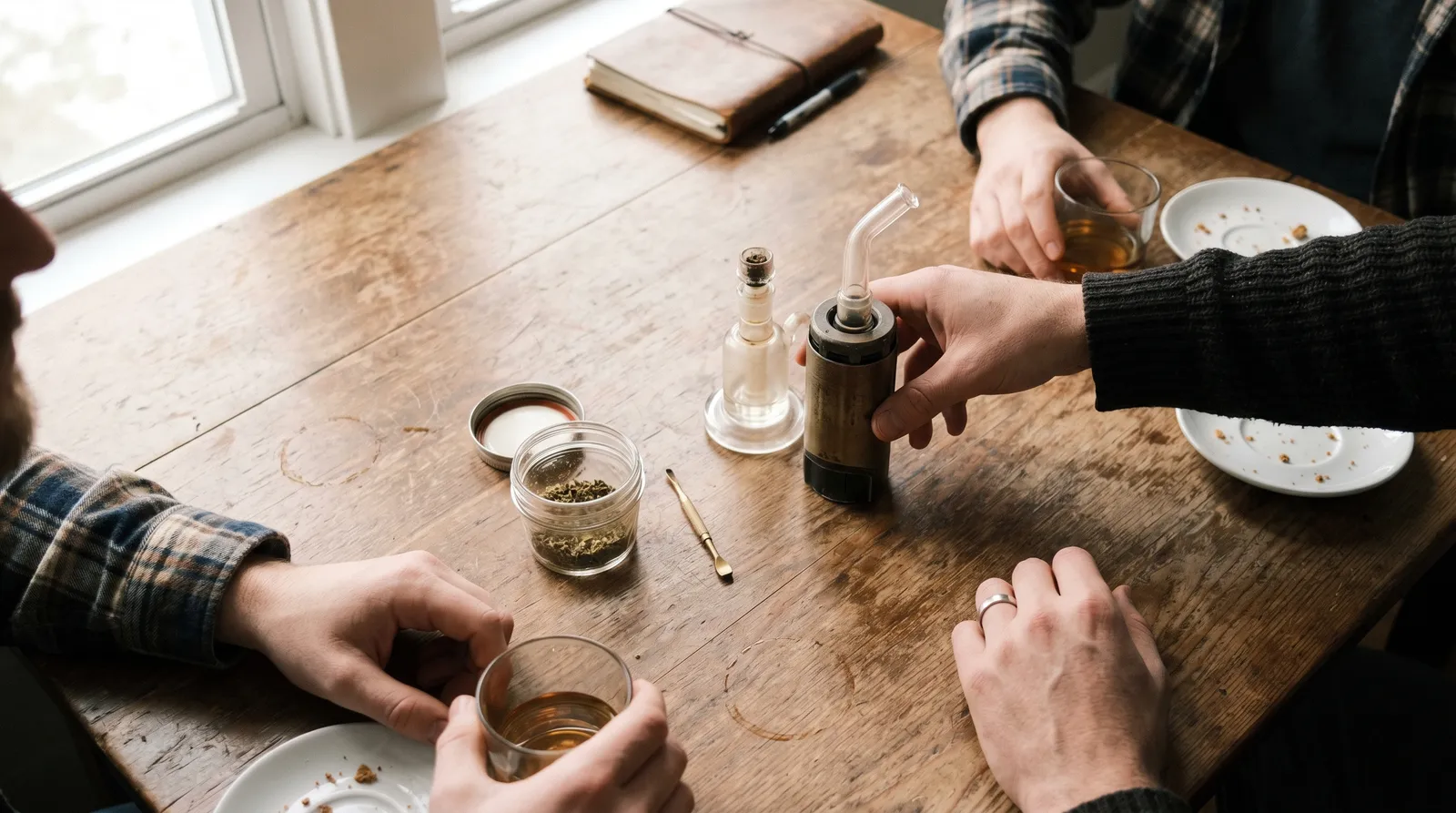
Go session if: you prefer a set-it-and-forget-it experience, you typically sit down for 5–10 minutes to finish a bowl, you share with friends who don't want a technique lesson, or you value consistency over efficiency. The Mighty remains the benchmark for session portables — the vapour quality is hard to beat. The Arizer Solo and Air lines offer a more affordable entry with the bonus of swappable batteries.
Go on-demand if: you take a few draws at a time rather than committing to a full session, you want maximum extraction from minimum material, you enjoy the ritual of a hands-on device, or you prioritise flavour on those first hits. The DynaVap M is the most affordable way to try on-demand vaping — no battery, no electronics, just metal and heat. The TinyMight 2 is the electronic option for people who want on-demand convection without a torch.
Can't decide? The TinyMight 2's dual-mode design (switchable between on-demand and session) is worth a look if you genuinely want both experiences from one device. Some users also keep a session portable as their daily driver and a DynaVap as a low-commitment backup — the two styles complement each other well.
For a deeper look at how conduction and convection heating affect vapour production, see our convection vs conduction vaporizers article. If you're weighing up specific models, our Mighty vs Crafty comparison and DynaVap buyer's guide go into detail on individual units.
This guide covers hardware for adults (18+). Use of vaporizers, bongs, pipes, dab rigs and rolling accessories is for adult use only. Verify your local laws on the substances you choose to use — Azarius does not provide legal advice. Consult a qualified professional if you have a health condition or take medication.
References
- Hazekamp, A., Ruhaak, R., Zuurman, L., de Vries, I., and Verpoorte, R. (2006). "Evaluation of a vaporizing device (Volcano) for the pulmonary administration of tetrahydrocannabinol." Journal of Pharmaceutical Sciences, 95(6), 1308–1317.
- Lanz, C., Mattsson, J., Soydaner, U., and Brenneisen, R. (2016). "Medicinal Cannabis: In Vitro Validation of Vaporizers for the Smoke-Free Inhalation of Cannabis." PLoS ONE, 11(1), e0147286.
- Abrams, D.I., Vizoso, H.P., Shade, S.B., Jay, C., Kelly, M.E., and Benowitz, N.L. (2007). "Vaporization as a smokeless cannabis delivery system: a pilot study." Clinical Pharmacology and Therapeutics, 82(5), 572–578.
Last updated: April 2026
Veelgestelde vragen
8 vragenDo on-demand vaporizers use less herb than session vaporizers?
Can you use a session vaporizer for just one or two hits?
Is a DynaVap considered on-demand or session?
Why do on-demand vaporizers have a steeper learning curve?
Does the TinyMight 2 work as both session and on-demand?
Which type is better for sharing with friends?
How long does a typical session vaporizer cycle last?
Do on-demand vaporizers drain the battery faster than session models?
Over dit artikel


Adam Parsons is an external cannabis and psychedelics writer and editor who contributes to Azarius's wiki as both author and reviewer. On the writing side, he authors Azarius's kratom and kanna clusters, drawing on exten
Dit wiki-artikel is opgesteld met hulp van AI en gecontroleerd door Adam Parsons, External contributor. Redactioneel toezicht door Joshua Askew.
Medische disclaimer. Deze inhoud is uitsluitend bedoeld ter informatie en vormt geen medisch advies. Raadpleeg een gekwalificeerde zorgverlener voordat je een stof gebruikt.
Laatst beoordeeld op 25 april 2026
Gerelateerde artikelen
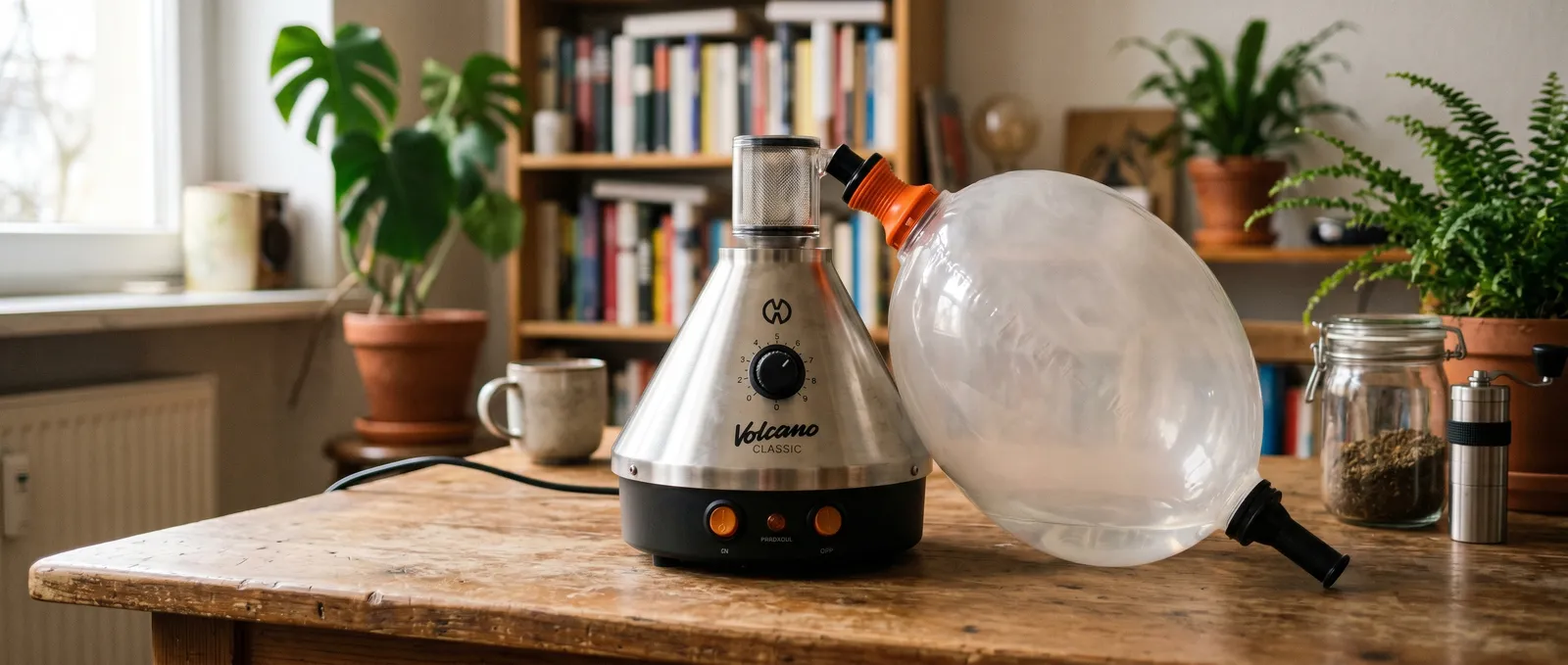
Storz & Bickel Volcano complete guide
De Volcano is een desktop convectie-vaporizer van Storz & Bickel die losse ballonnen vult met damp via heteluchtextractie. Hazekamp et al.
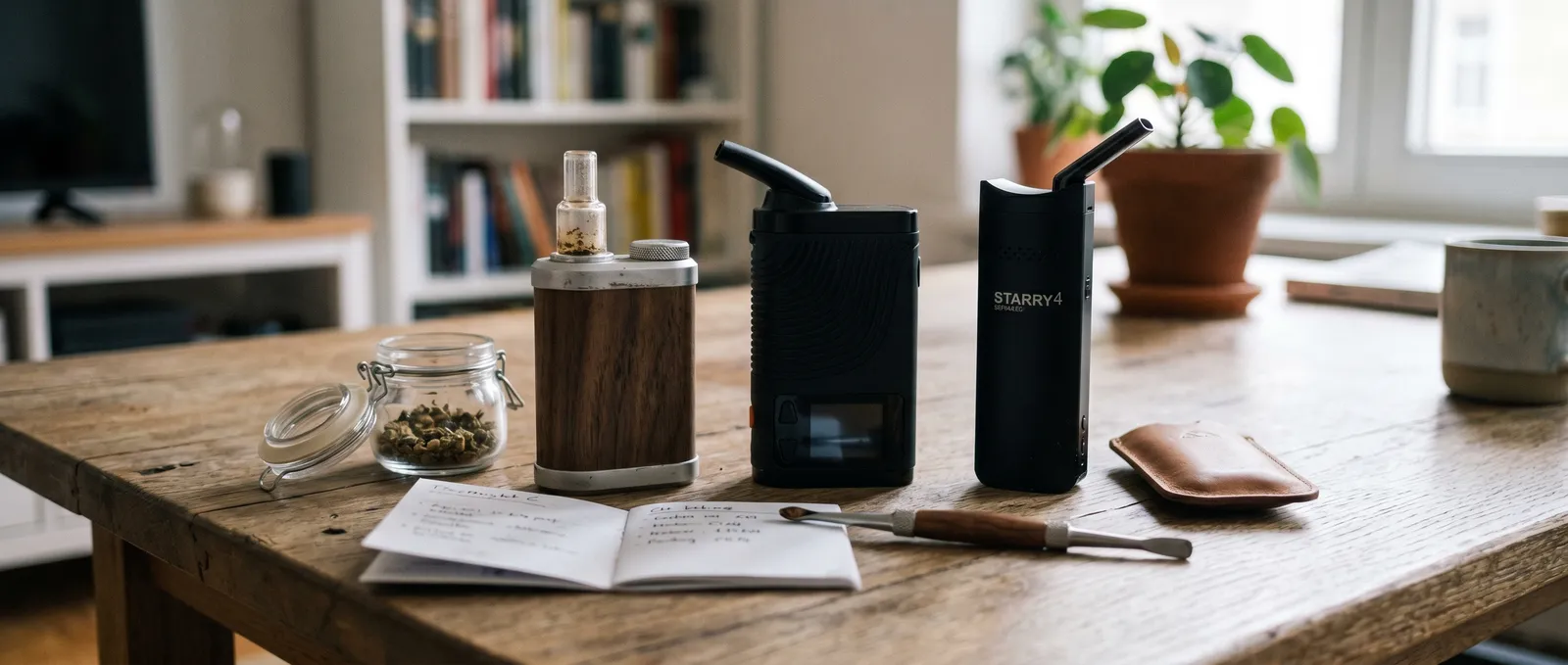
TinyMight, Boundless en XMAX vergeleken: specs en advies
Een vergelijking van zes draagbare droogkruidvaporizers van drie merken: TinyMight 2, Boundless CFC en CFX, en XMAX V3, Starry en Ace.
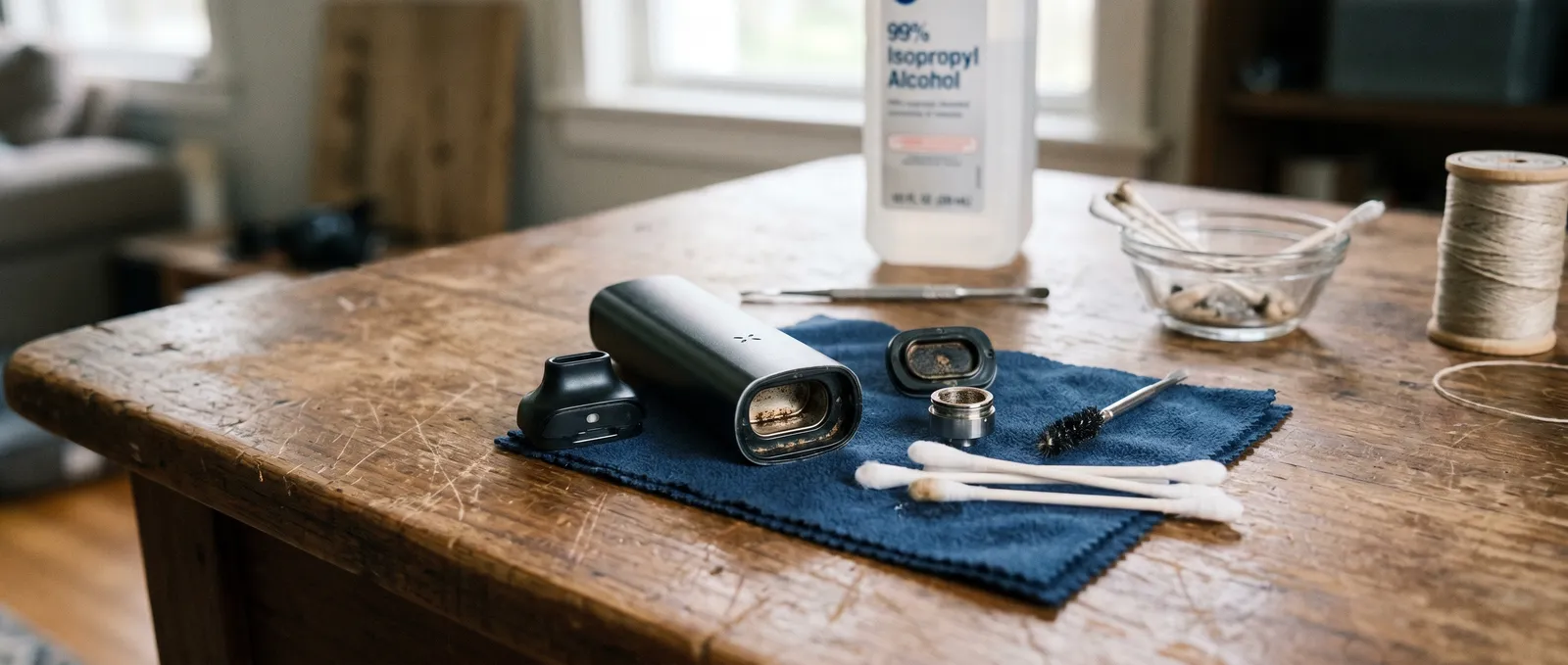
Vaporizer schoonmaken: complete gids voor elke vape
Een vaporizer schoonmaken is een eenvoudige onderhoudsroutine die je apparaat fris laat smaken, soepel laat trekken en jaren langer laat meegaan.
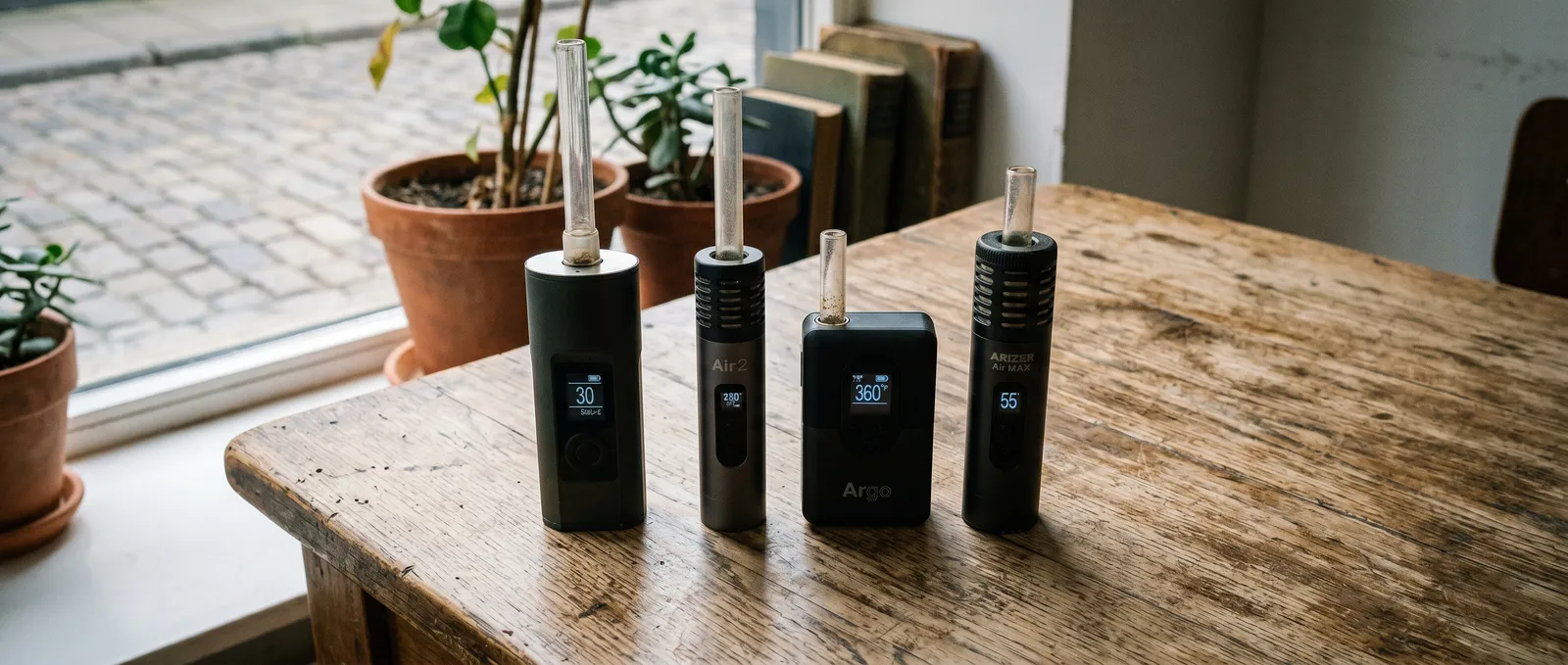
Arizer portable lineup vergeleken: Solo, Solo 2, Solo 3 en ArGo
De Arizer portable lineup vergeleken is een zij-aan-zij-analyse van vier draagbare glassteamvaporizers — Solo, Solo 2, Solo 3 en ArGo — die dezelfde…
Storz & Bickel Crafty vs Mighty – Vergelijking
De Storz & Bickel Crafty en Mighty zijn hybride conductie-convectie vaporizers uit dezelfde Duitse fabriek met identieke kamergeometrie, koelelement en…
DynaVap complete guide — handleiding voor beginners
Een DynaVap is een compacte, handmatige droogkruidvaporizer zonder batterij of elektronica.